
So, What Is Silly-Maxxing?
If you’ve ever felt the urge to buy a lamp shaped like a croissant or a rug that looks like a giant fried egg, you already understand the spirit of silly-maxxing. The term, a playful spin on the internet slang for 'maximizing' a certain quality, describes
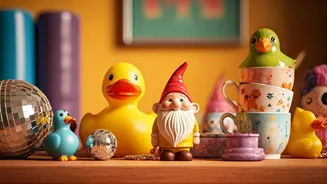
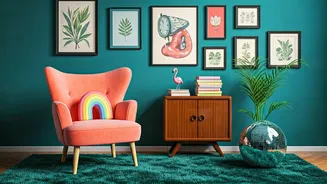
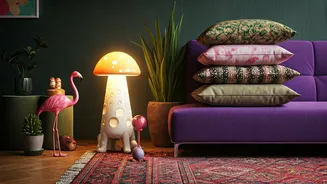
the deliberate act of filling your home with things that are fun, whimsical, and unapologetically odd. It’s the antithesis of the muted, influencer-approved aesthetic that has dominated for the better part of a decade. Instead of asking, 'Does this match?' the silly-maxxer asks, 'Does this make me smile?' The answer might be a vintage cartoon-character glass, a vase with a goofy face, or a collection of kitschy ceramic animals. It’s not about chaos or mess; it's a curated collection of pure, unadulterated delight. The goal isn’t to create a perfect-looking space, but a perfect-feeling one.
An Antidote to Anxious Times
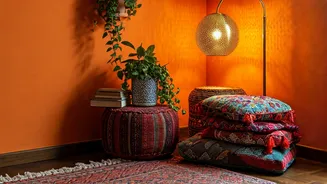
It’s no coincidence this trend is blooming now. After years of global uncertainty, economic anxiety, and the relentless pressure of social media perfection, people are craving a sense of control and happiness within their own four walls. Silly-maxxing is a direct rejection of optimization culture. In a world that demands we bio-hack our bodies and streamline our schedules, having a home that’s intentionally inefficient and playful is a radical act of self-care. This movement is a cousin to other joy-focused design trends like 'dopamine decor,' which uses color, light, and texture to boost your mood. But silly-maxxing goes a step further, leaning into humor and nostalgia. Your home becomes a personal sanctuary, a fortress against the seriousness of the outside world, defended by an army of silly, delightful objects.
The Unofficial Rules of the Look
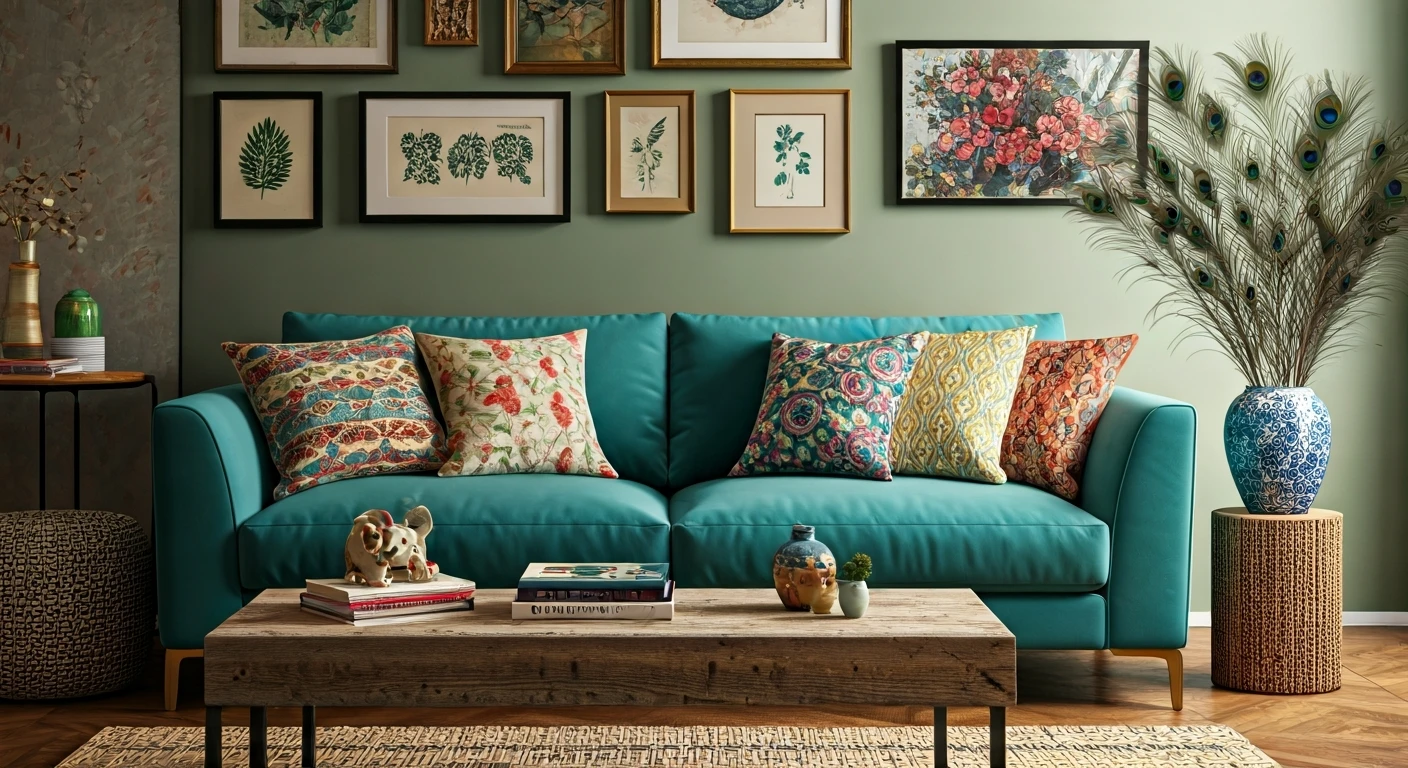
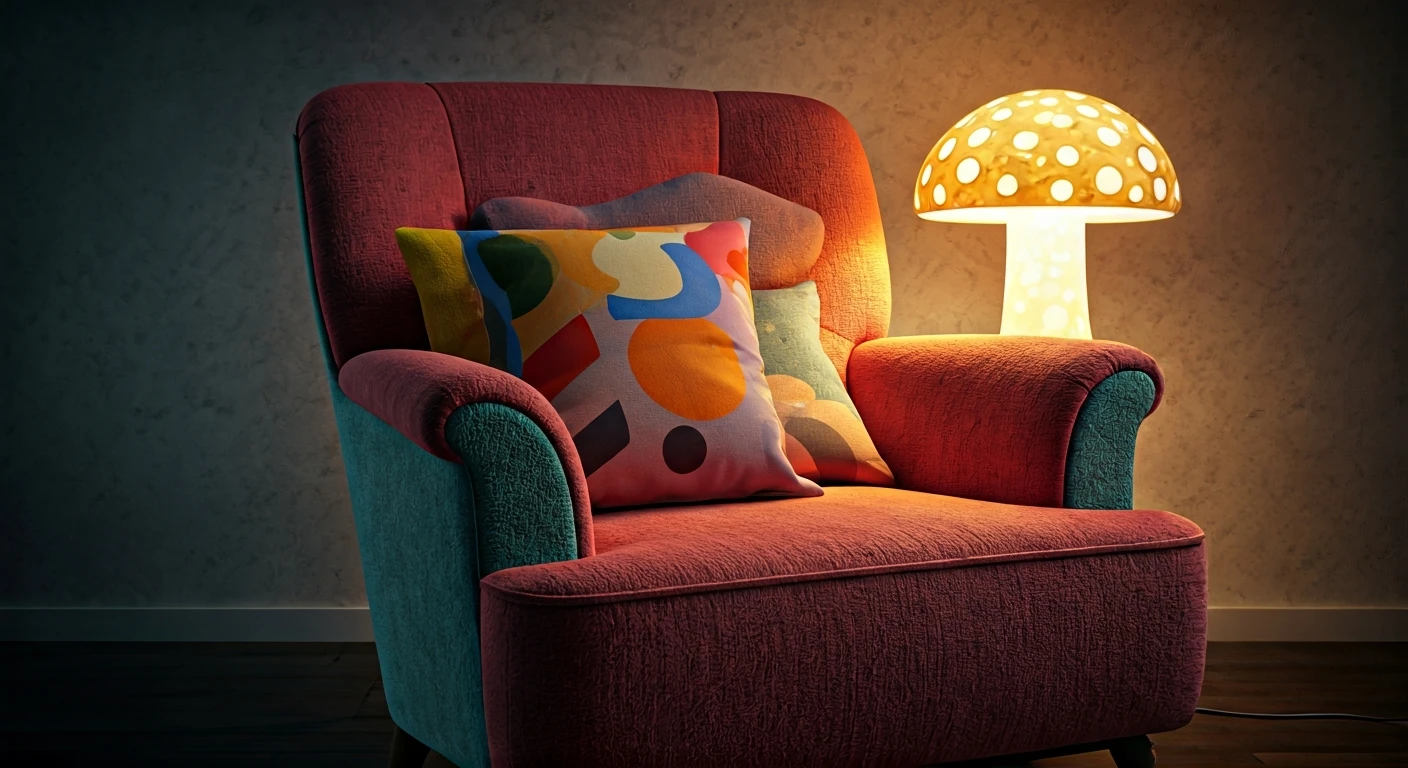
While there are no hard-and-fast rules—that would defeat the purpose—a silly-maxxed home has a few tell-tale signs. First, there’s a distinct appreciation for unusual shapes: think wavy mirrors, blob-like couches, and side tables that look like they were pulled from a Dr. Seuss book. Color is used with abandon, often in unexpected combinations. You’ll also find a deep love for 'the little guy'—small, quirky objects that inject personality onto a bookshelf or coffee table. These could be novelty candles, a funky mug, or a piece of art made by a friend. Most importantly, nothing is taken too seriously. The gallery wall might include a child’s drawing next to a framed meme. The throw pillows might be shaped like food. It’s a design philosophy built on personality, where the story behind an object is more important than its price tag or brand name.
Your Kitsch Is Your Castle
Perhaps the most refreshing aspect of silly-maxxing is its accessibility. It resists the consumerist pressure to buy an entirely new set of coordinated furniture. Instead, it encourages a slower, more personal approach to decorating. It’s about celebrating the strange souvenir you picked up on vacation, the bizarre flea market painting you couldn’t leave behind, or the childhood toy you can’t bear to part with. These items, once relegated to a dusty attic or a 'maybe' box, are now being given pride of place. This aesthetic champions the idea that your home should be a living scrapbook of your life, reflecting your humor, your history, and your unique point of view. It’s a powerful reminder that the best design doesn't come from a catalog; it comes from a life well-lived and a personality fully expressed.