






The End of the Tourist Trap
For decades, tourism was a game of seeing the 'big things.' You went to Paris for the Eiffel Tower, Rome for the Colosseum, and New York for the Statue of Liberty. But for many younger travelers, raised on the internet and skeptical of mass-produced anything,
that model feels hollow. They aren’t just looking for a place to visit; they’re searching for a story to be a part of. This has sparked a quiet revolution against what they perceive as 'tourist traps'—crowded, overpriced attractions that offer a generic, one-size-fits-all experience. Instead, they crave authenticity. The goal is no longer to say 'I was there,' but to understand what it’s like to *be* there. This means wandering off the main drag, finding the neighborhood coffee shop everyone raves about online, and discovering something that feels personal and unique. It's a fundamental shift from passive observation to active participation.
Food as the Main Attraction
Nowhere is this shift more obvious than in the role of food. For Millennial and Gen Z travelers, food isn't just fuel for a day of sightseeing; it *is* the sightseeing. A destination's culinary scene has become a primary driver in travel planning, often eclipsing traditional landmarks in importance. A well-regarded farm-to-table restaurant, a bustling food market, or a microbrewery with a cult following can be the anchor for an entire trip. Why? Because food is a direct, unfiltered portal into a place’s culture. It tells a story about local agriculture, history, and community. Sharing a meal at a communal table in a neighborhood bistro offers a more tangible connection to a city's identity than looking at a statue from behind a velvet rope. This 'culinary tourism' isn't limited to Michelin stars; it’s about finding the best local doughnut, the most beloved barbecue joint, or the freshest oysters, creating a highlight reel of flavors, not just sights.
The Real 'Instagrammable' Moment
It’s easy to dismiss this trend as being driven by the desire for a perfect Instagram post, but that’s a superficial take. While sharing is part of the equation, the motivation runs deeper. The most valued travel photos are no longer just about broadcasting a location; they're about curating an identity. A picture of you holding a generic souvenir cup in Times Square says very little. But a photo of a hand-thrown pottery bowl, bought directly from the artisan who made it, tells a story of taste, discovery, and appreciation. The 'Instagrammable moment' has evolved from proving you were at a famous place to showcasing a unique experience that reflects your personal values. It’s less about 'look where I am' and more about 'look what I found.' This visual currency favors the unique, the colorful, and the story-rich—all qualities inherent in local food and craft.
Supporting People, Not Just Places
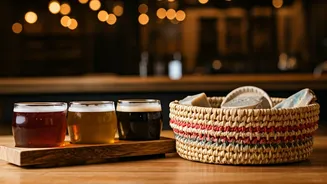
Finally, this trend is tied to a broader generational interest in conscious consumerism. Young travelers are increasingly aware of where their money is going. They would rather support a local family-run business than a multinational chain. Buying a piece of jewelry from a local silversmith or a six-pack from a neighborhood brewery feels like a meaningful investment in the community they’re visiting. This desire for provenance—knowing who made something and where it came from—is powerful. It transforms a simple transaction into a human connection. This mindset values the story behind the product, whether it’s a pint of beer made with local hops or a hand-woven scarf. By prioritizing local craft, these travelers are voting with their wallets for a more sustainable and equitable form of tourism, one that benefits the people who make a destination special in the first place.