







Beyond Tofu and Paneer
Walk down the plant-based aisle of any American grocery store, and you’ll find tempeh: a firm, vacuum-packed cake of fermented soybeans. For decades, it’s been a staple of health food enthusiasts and vegans, often grilled, baked, or thrown into stir-fries.
But in the world of Indian cooking, it remained a relative stranger. The vegetarian repertoire was dominated by paneer, the fresh, unaged cheese that crisps up beautifully, and a vast array of legumes. Tofu made inroads as a modern alternative, but its soft texture often meant it disintegrated or got lost in the robust, slow-simmered sauces characteristic of many Indian dishes. Now, a new culinary wave, driven by chefs and home cooks in the U.S. and a health-conscious generation in India, is discovering that tempeh isn't just another protein option; it's a game-changer.
The Humble Indonesian Block
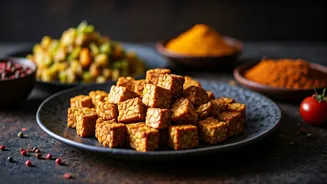
Before we get to the curries, let’s clarify what tempeh actually is. Originating in Indonesia centuries ago, it’s made by fermenting whole soybeans, which are then pressed into a dense, sliceable block. Unlike tofu, which is made from soy milk, tempeh uses the whole bean. This process gives it a completely different personality. Its texture is firm and satisfyingly chewy, with a nutty, slightly mushroom-like flavor that’s far more complex than tofu’s neutrality. The fermentation also makes it easier to digest and packs it with protein and fiber. This inherent firmness and earthy flavor profile are precisely what make it such an unexpectedly perfect partner for the bold, layered spices of Indian cuisine.
A Perfect Marriage of Texture and Spice
The magic of tempeh in Indian food comes down to its structure. Think of it as a flavor sponge that won’t fall apart on you. Its slightly porous, rugged texture eagerly soaks up marinades, whether it's a yogurt-and-spice mix for the tandoor or a ginger-garlic paste for a classic curry. When pan-fried or seared, it develops a deeply browned, savory crust while the inside remains tender and substantial. This ability to hold its own is critical. Where tofu can turn soft and watery, tempeh maintains its integrity, providing a satisfying, meaty bite in a rich rogan josh or a creamy korma. It can be cubed, crumbled, or sliced, making it as versatile as paneer and as adaptable as ground meat.
From Tikka Masala to Bhurji
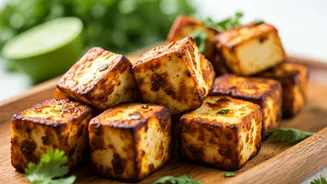
The applications are proving to be brilliantly creative and delicious. One of the most popular adaptations is Tempeh Tikka, where cubes are marinated in the same fiery, yogurt-based spice blend used for paneer or chicken before being grilled or baked to smoky perfection. Another breakout star is Tempeh Bhurji, a savory scramble that’s a dead ringer for the beloved egg or paneer bhurji. Crumbled tempeh is sautéed with onions, tomatoes, and spices like turmeric and cumin to create a hearty, protein-packed dish perfect with roti or toast. Chefs are also using it to create plant-based versions of meat-centric classics, crumbling it into a rich Tempeh Keema or shaping it into kofta meatballs to float in a velvety sauce. It’s a testament to its versatility that it can seamlessly step into roles traditionally held by dairy, eggs, and meat.
A Modern Twist on Tradition
So why now? This trend sits at the intersection of several cultural shifts. First, the global explosion of plant-based eating has diners actively seeking high-protein, minimally processed alternatives. Second, a new generation of Indian-American chefs and food bloggers are eagerly innovating, putting modern spins on traditional flavors without losing their soul. They’re not trying to replace paneer; they’re expanding the vegetarian toolkit. For them, tempeh isn’t a compromise; it’s an exciting new ingredient that brings its own unique texture and flavor to the party. It represents a natural evolution, proving that one of the world's most ancient and complex cuisines still has plenty of room to grow.