





The New Luxury Is Logging Off
For years, the gold standard for a hotel was technological convenience. How fast is the Wi-Fi? How big is the smart TV? Can I stream my Netflix account and order room service from an in-room tablet? But a quiet rebellion is brewing in the world of hospitality,
driven by a collective exhaustion with the very connectivity we once craved. The new benchmark for a premium travel experience isn’t about logging on; it’s about being given permission to log off. This shift redefines luxury for the modern age. Instead of more stimulation, sophisticated travelers are seeking its absence. They want a refuge from the endless scroll, the constant pings, and the pressure to perform online. Hotels are realizing that offering a genuine escape now means creating an environment where the digital world can’t follow. This isn’t about deprivation; it’s about providing a curated, intentional experience centered on presence, relaxation, and rediscovering the world beyond a four-inch screen.
Beyond Just Bad Wi-Fi
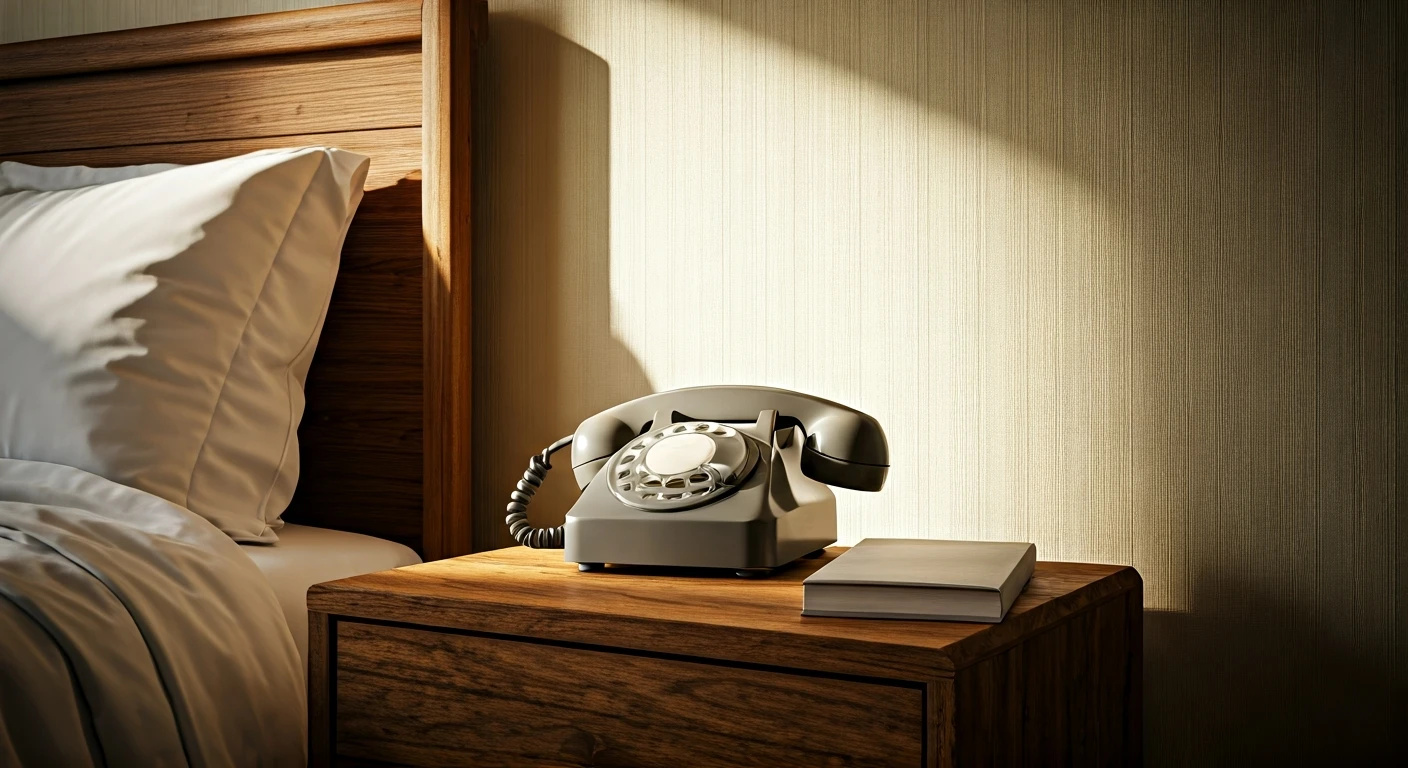
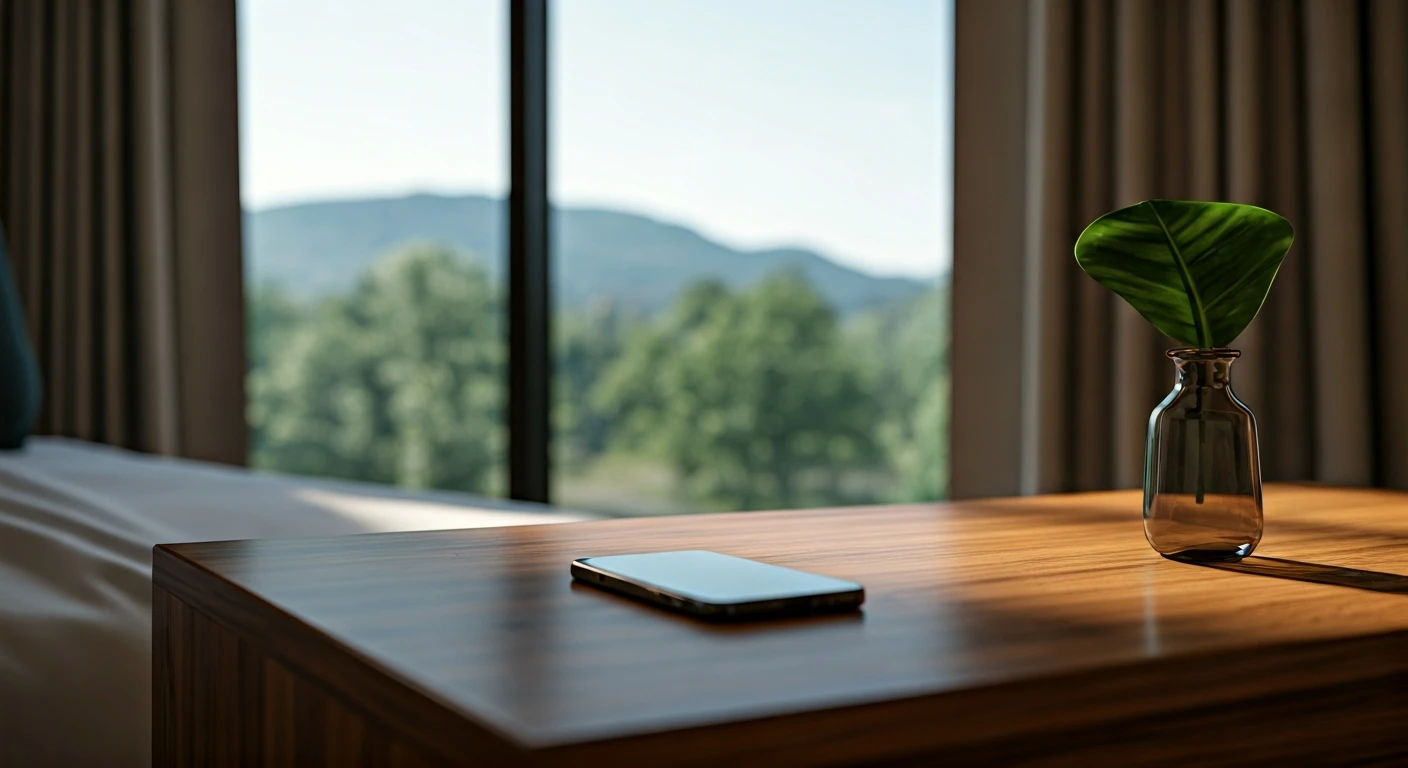
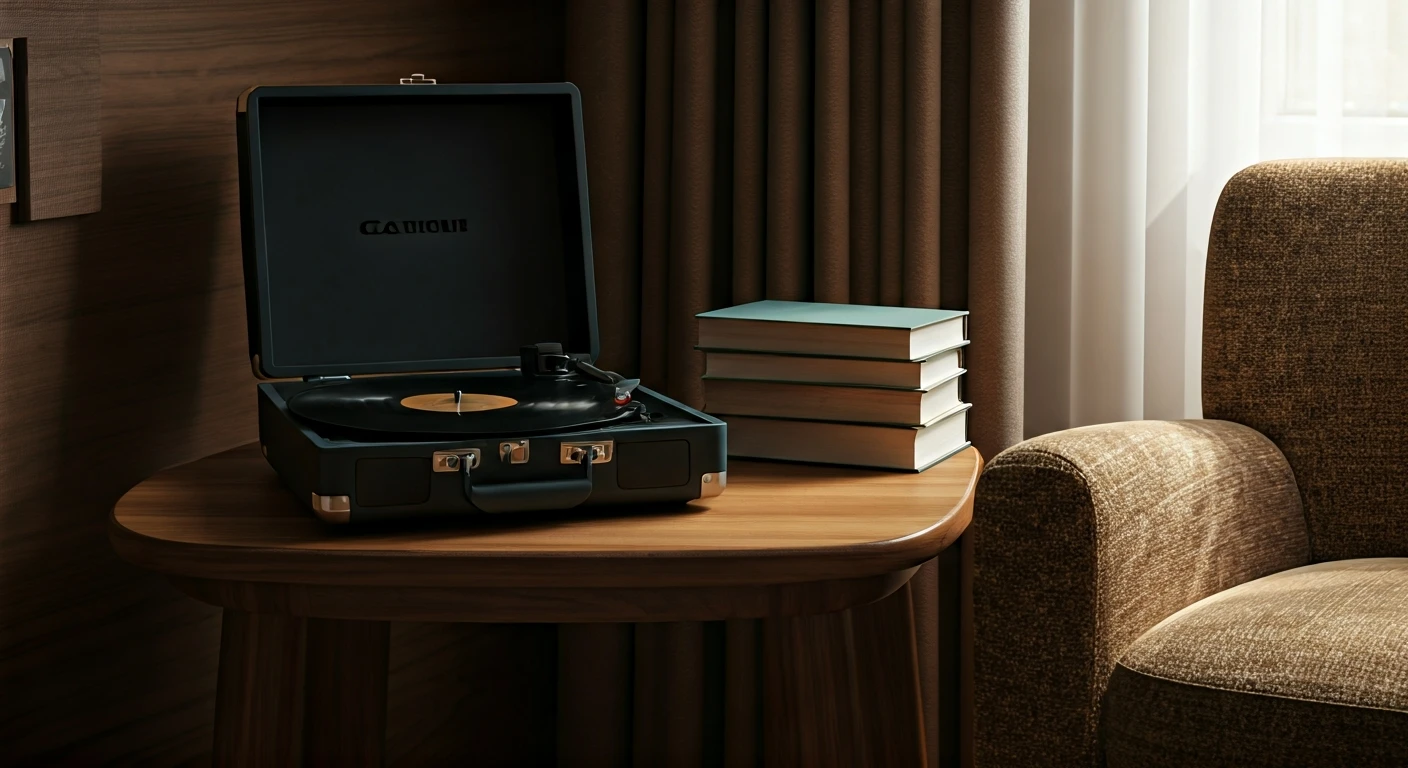
Catering to a “screen-fried brain” is more sophisticated than simply offering a spotty internet connection. The most forward-thinking properties are replacing digital clutter with analog delights. At check-in, you might be offered a Yondr pouch—a lockable case that secures your phone until you’re ready to re-engage. In your room, the television might be conspicuously absent, replaced by a curated library of books or a high-quality record player with a selection of vinyl. Brands like Getaway, with its tiny cabins scattered in the woods outside major cities, have built their entire model on this concept, featuring a “cellphone lockbox” as a core amenity. More traditional luxury hotels are also getting in on the act. Mandarin Oriental, for example, has offered “Digital Wellness” retreats that encourage guests to surrender their devices. Bedside tables are being redesigned to feature classic analog alarm clocks and pads of paper for midnight thoughts, removing the temptation to check notifications one last time before sleep.
Designing for Disconnection
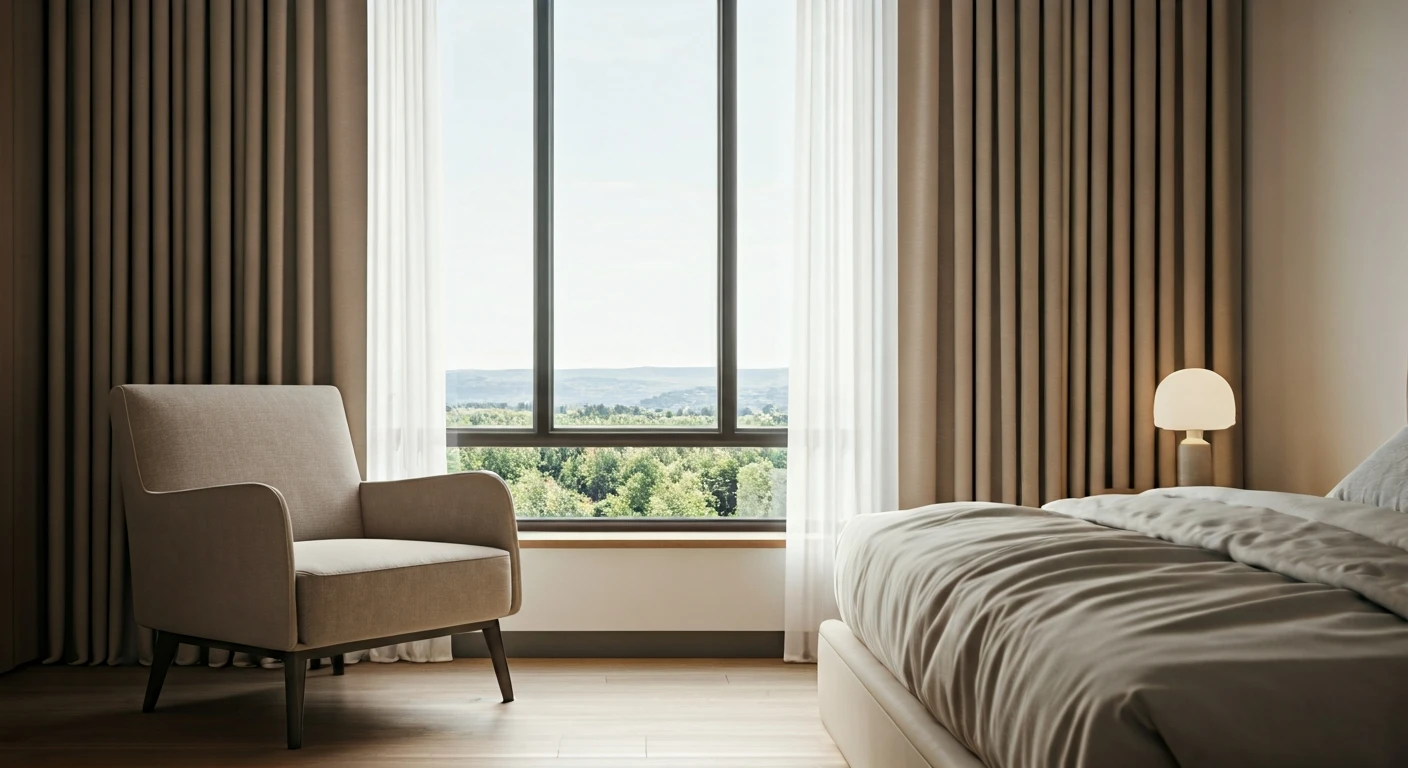
This movement extends beyond gadgets and amenities into the very architecture and design of the hotel itself. The goal is to create spaces that naturally pull you away from your phone and into the present moment. This can manifest in several ways: lighting designed to align with circadian rhythms, an abundance of natural materials like wood and stone, and rooms that prioritize a stunning view over a screen. Lobbies are being transformed from transient zones for checking email into cozy, living-room-style spaces with fireplaces, board games, and comfortable seating that encourages conversation. Restaurants are dimming the lights and focusing on the sensory experience of food, making it feel almost rude to illuminate your table with a phone’s glare. By removing the technological focal points, these hotels give your eyes—and your mind—somewhere else to wander. The design itself becomes a tool for mindfulness, subtly guiding your attention to your surroundings, your travel companions, or your own thoughts.
Is It a Gimmick or a Genuine Shift?
It’s easy to be cynical. Is a “digital detox” just another marketing buzzword deployed to sell an expensive weekend of boredom? In some cases, yes. Any popular trend will attract shallow imitators who simply remove the TV and call it a “wellness experience.” But the movement’s staying power comes from the fact that it addresses a deep, unmet need in modern life. The pandemic accelerated our dependence on screens for work, socializing, and entertainment, leaving millions feeling overstimulated and disconnected from their physical lives. The demand for a true break is no longer a niche desire; it’s a mainstream yearning. The hotels that succeed are those that understand the philosophy behind the trend. They aren’t just taking things away; they’re thoughtfully adding experiences that fill the void, whether it’s guided nature walks, art supplies in the room, or simply the profound comfort of a quiet, beautiful space.