







The Climate Reality Check
The era of blindly booking a trip to Greece in July or Phoenix in August and just hoping for the best is rapidly ending. Record-breaking heat domes in Europe, rampant wildfires in North America, and atmospheric rivers on the West Coast have introduced
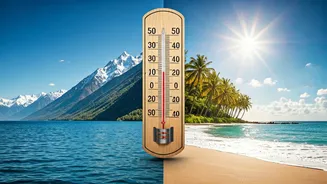
a daunting new variable into travel planning: survival. Vacationers who once worried about a stray shower ruining a beach day now face the legitimate risk of unbearable heat, smoke-filled skies, or even evacuations. The aspirational photos shared by traditional travel influencers often omit the sweltering reality of 110-degree temperatures or the haze that obscures the once-perfect view. As a result, savvy travelers are shifting their priorities from what a destination looks like to what it will *feel* like. The new luxury isn’t an infinity pool; it’s a comfortable 75-degree day, and travelers are using data to find it.
Your Pocket Meteorologist
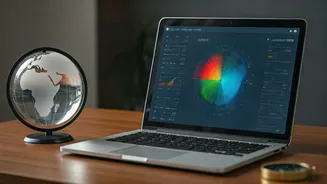
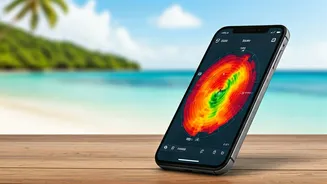
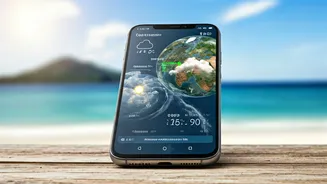
This shift is powered by increasingly sophisticated and accessible technology. Weather apps have evolved from simple daily reports to powerful predictive engines. Tools like AccuWeather, The Weather Channel app, and Carrot Weather offer extended forecasts, air quality indexes (AQI), and even historical climate data. Travelers are no longer just checking the weather for the week of their trip; they're consulting long-range outlooks and climate averages before they even book a flight. They're asking different questions: not just 'Is it sunny in Spain in August?' but 'What was the average heat index in Seville for the last three Augusts, and what are the climate models predicting for this year?' This data-driven approach empowers travelers to become their own risk managers, dodging heatwaves and hurricane seasons with a precision that was once the domain of professional meteorologists. Planning a trip is becoming less about fantasy and more about forensic analysis.
Remapping the Travel Calendar
The economic ripple effects of this behavioral change are significant. Destinations that once relied on a predictable peak season are seeing their calendars scrambled. The Mediterranean's scorching summers are pushing demand into the cooler, more pleasant “shoulder seasons” of spring and fall. Travel agents report clients specifically requesting destinations where they won't be “melted.” Consequently, places like Southern Italy or coastal Spain, once overflowing in July, are seeing a surge in popularity in May, September, and October. Conversely, locations previously considered too cool for a summer holiday, such as Scandinavia, Ireland, or the Pacific Northwest, are emerging as temperate oases. This isn't just about avoiding discomfort; it's about maximizing value. No one wants to spend thousands of dollars on a trip only to be confined to an air-conditioned hotel room from noon to 6 p.m. The forecast is, in effect, redrawing the global tourism map in real time.
Beyond Just Avoiding Bad Weather
The trend extends beyond simply dodging heat and rain. A growing cohort of travelers is actively 'weather chasing,' using forecasts to pursue specific atmospheric phenomena. Storm chasers have long prowled the plains for tornadoes, but now the practice is more mainstream. Tourists flock to Iceland and northern Canada, guided by aurora forecasts that predict the intensity and visibility of the Northern Lights. Skiers armed with powder-tracking apps will book a last-minute flight to Jackson Hole or Salt Lake City to catch a massive snow dump. Even surfers have been doing this for decades, using swell charts to chase the perfect wave across the globe. What’s new is the democratization of this mindset. With powerful forecasting tools in everyone's pocket, the ability to plan a trip around a specific, desirable weather event is no longer a niche hobby; it’s becoming a central pillar of modern adventure travel.