





A Vast, Hidden Ocean
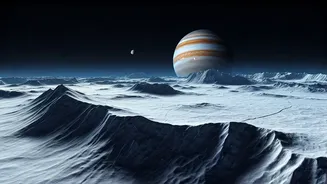
The number one reason for the scientific obsession with Europa is water. Decades of data, starting with the Voyager and Galileo spacecraft, have built an ironclad case that a colossal ocean of liquid saltwater is sloshing beneath the moon’s icy surface.
This isn’t a small pocket of water; it’s a global ocean estimated to be 40 to 100 miles deep. For perspective, Earth’s deepest point, the Mariana Trench, is only about 7 miles down. This means Europa could contain more than twice the amount of liquid water found in all of Earth's oceans combined. Where there is liquid water on Earth, there is life. The tantalizing possibility that this rule applies elsewhere is the bedrock of Europa’s appeal. Data from the Galileo orbiter’s magnetometer detected a magnetic field that strongly suggests it’s being induced by a conductive layer—like a salty ocean—reacting to Jupiter's powerful magnetic field.
The Right Ingredients for Life
Life as we know it requires more than just water. It needs a specific chemical cocktail: elements like carbon, hydrogen, nitrogen, oxygen, phosphorus, and sulfur (often remembered by the acronym CHNOPS). Scientists believe these essential building blocks are likely present on Europa. Asteroid and comet impacts over billions of years would have delivered carbon-based organic compounds to its surface. Furthermore, it’s theorized that the ocean floor is in direct contact with a rocky mantle, similar to Earth’s seafloor. This interaction could create hydrothermal vents—cracks in the seabed spewing hot, mineral-rich water. On Earth, these vents are bustling ecosystems, supporting life forms that thrive in total darkness, independent of sunlight. The potential for similar deep-sea vents on Europa provides a compelling scenario for how life could originate and survive.
A Powerful Internal Engine
Europa is far from the sun, so its surface is frigid, around -260 degrees Fahrenheit. So how does a massive liquid ocean exist? The answer lies in Jupiter. As Europa orbits the gas giant, Jupiter’s immense gravity constantly tugs and flexes the small moon. This process, known as tidal heating, generates tremendous friction and heat within Europa’s core and mantle. This internal warmth is what prevents the subsurface ocean from freezing solid and could provide the energy needed to power geological activity, like the previously mentioned hydrothermal vents. Unlike Earth, where the sun is the primary driver of energy for most life, life on Europa could be powered entirely by the moon’s gravitational dance with its parent planet, creating a stable, long-lived environment where complex biochemistry might arise.
Tantalizing Glimpses of Activity
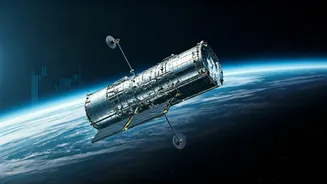
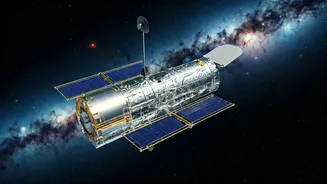
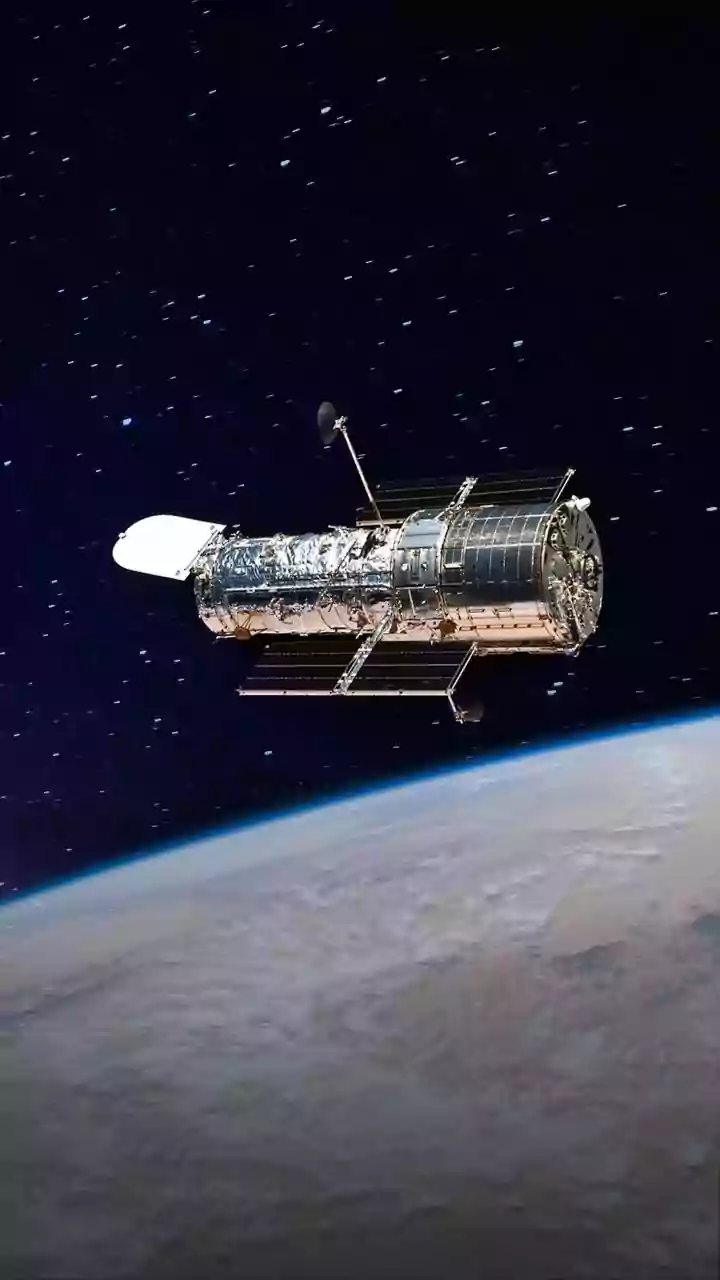
While the ocean itself is hidden, scientists have seen tantalizing hints that it’s not entirely sealed off. The Hubble Space Telescope has captured what appear to be plumes of water vapor erupting from Europa’s surface, potentially shooting hundreds of miles into space. If these plumes are real—and evidence continues to mount—they are like geysers sampling the ocean below and spewing its contents into space. This is a game-changer for exploration. Instead of needing to drill through miles of treacherous ice, a spacecraft could simply fly through one of these plumes to analyze the ocean's composition directly. It’s an incredible opportunity to check for organic molecules and other signs of life without ever having to land.
The Mission to Find Answers
All of this has culminated in one of NASA's most ambitious missions to date: Europa Clipper. Scheduled to launch in October 2024 and arrive at the Jupiter system in 2030, this spacecraft is not designed to find life directly but to determine if Europa has the *conditions* for life. It will perform dozens of close flybys of the moon, equipped with a suite of powerful instruments. A radar will penetrate the ice shell to confirm the ocean's existence and measure the ice thickness. Spectrometers will analyze the composition of the surface and any potential plumes. A high-resolution camera will map the fractured, chaotic terrain, looking for recent geological activity. In essence, Europa Clipper is a reconnaissance mission to definitively characterize this ocean world and identify potential spots for a future lander to visit—a lander that might one day answer the ultimate question.