
The End of the Grey-aissance
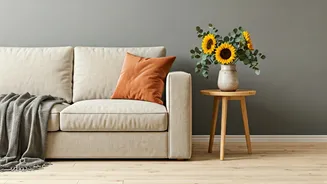
Remember the 2010s? It was the era of the house-flip aesthetic, where every wall was painted some shade of 'Agreeable Gray' or 'Revere Pewter.' Grey became the ultimate neutral, a safe and sophisticated choice that promised broad appeal and high resale
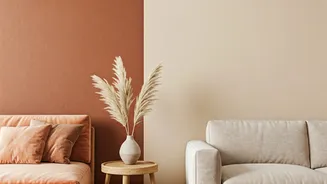
value. It was a clean, minimalist reaction to the warm, busy beige and Tuscan tones of the early 2000s. For a while, it worked. Grey was a perfect, unassuming canvas for the clean lines of mid-century modern furniture and the starkness of industrial chic. But after years of living inside these cool, impersonal boxes, a collective fatigue has set in. What once felt serene now can feel sterile; what seemed sophisticated now seems a bit soulless. The uniform of modern design has started to feel, well, too uniform.
Why We Crave Character, Not Conformity
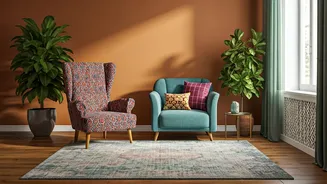
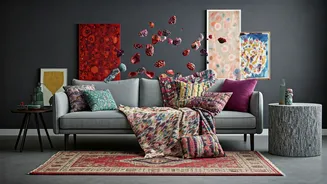
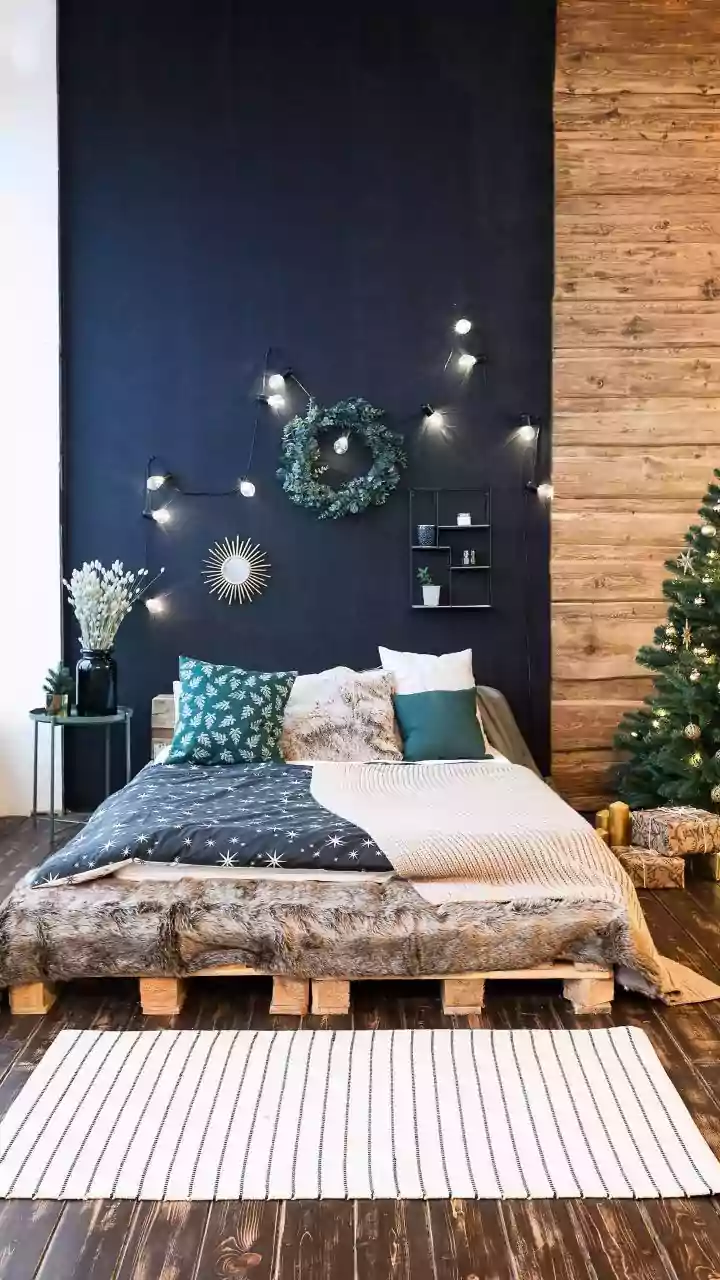
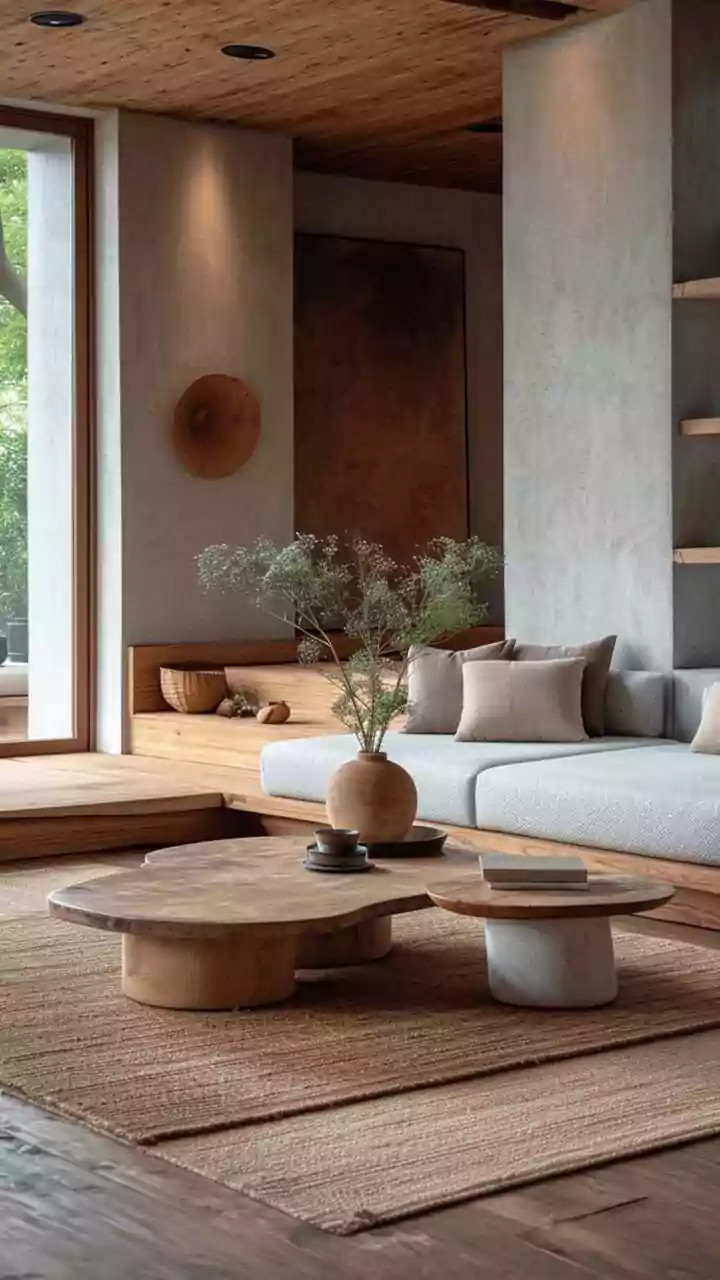
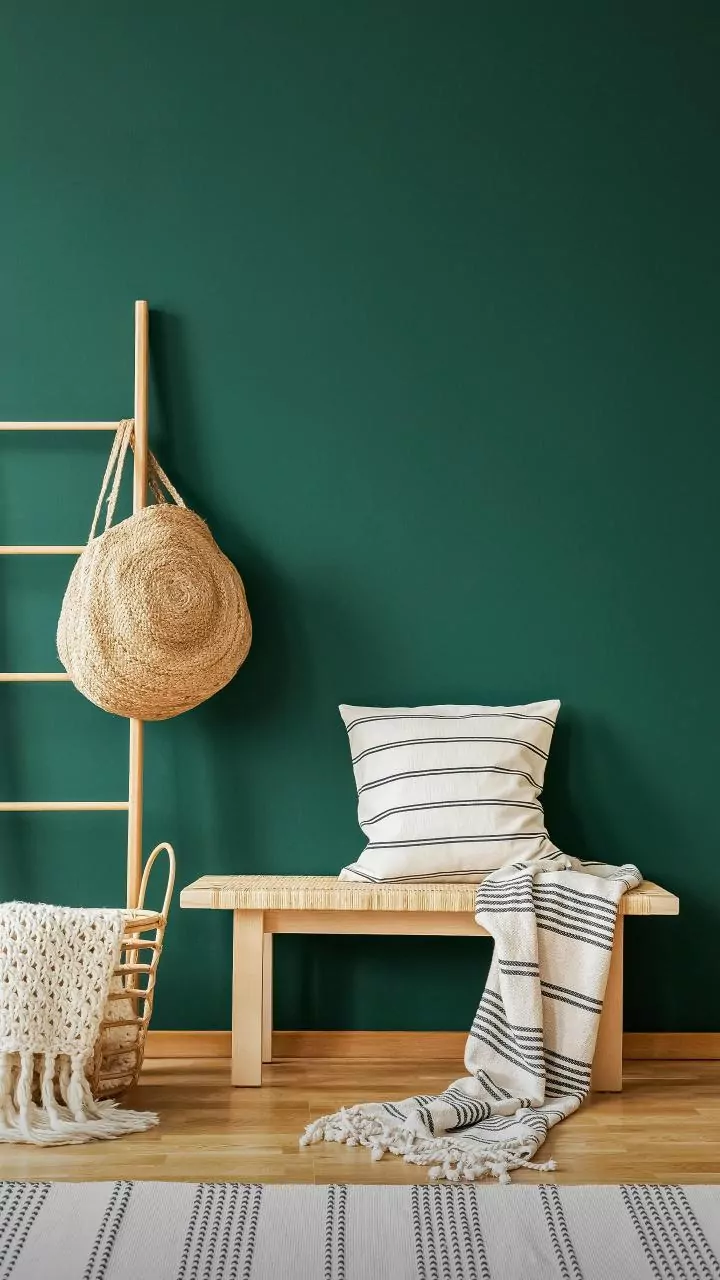
The shift away from grey isn't just about a color falling out of fashion; it’s a reflection of a deeper cultural change. After spending unprecedented amounts of time within our own four walls, our relationship with home has transformed. It's no longer just a place to sleep or an asset to be staged for a future buyer. It’s our office, our gym, our sanctuary, and our social hub. This has ignited a desire to make our spaces feel radically more personal. The new mantra is less about appealing to a hypothetical future owner and more about delighting the current resident—you. Designers call this trend 'dopamine decor,' the practice of using color, texture, and objects to create a joyful, energizing environment. It’s about surrounding yourself with things that tell your story, spark a memory, or simply make you smile.
Enter: The Statement Piece
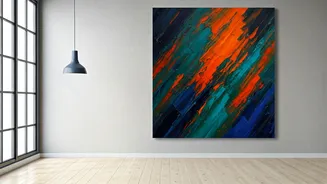
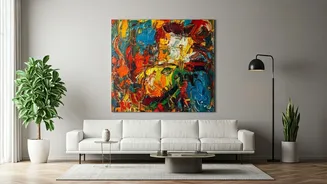
If grey walls were the quiet backdrop, then big, bold art is the new main character. When you remove the expectation that walls must be neutral, they are suddenly free to become a canvas for something spectacular. 'Big art' doesn’t necessarily mean a priceless oil painting that requires a second mortgage. It’s more about scale and impact. This could be an oversized abstract canvas that sets the room's entire color palette. It might be a massive, high-resolution photograph of a place you love. It could even be a vintage textile, a quilt, or a large, intricately framed mirror that reflects light and adds architectural interest. The point of the statement piece is to be a focal point that immediately communicates a point of view. It’s a confident declaration of taste that instantly injects personality into a room, making it feel curated and unique.
How to Make Big Art Work for You
The idea of choosing one huge piece of art can feel more intimidating than picking a paint color, but it doesn't have to be. First, think of it as an anchor. A large piece can unify a space and provide the color story for pillows, throws, and other accessories. Don't be afraid to go bold. A common mistake is buying art that’s too small for the wall, leaving it looking lost and timid. As a rule of thumb, art should fill roughly two-thirds of the wall space above a piece of furniture, like a sofa or console table. And you don't have to break the bank. Look to local art fairs, student shows at nearby colleges, or online marketplaces like Etsy for affordable original works. For a more budget-friendly option, you can get large-scale digital prints of famous (or personally meaningful) images or even create your own abstract piece on a giant canvas.