
The Art of Mindful Observation
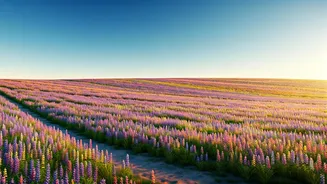
A bloom trip isn’t just about seeing flowers; it’s about a fundamental shift in pace. Unlike a sightseeing dash through a city, the goal here is to meander. The very subject—a field of bluebonnets, a canopy of cherry blossoms, a hillside of poppies—rewards
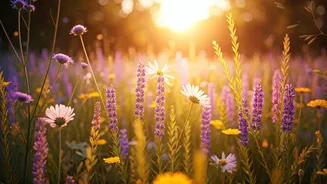
stillness. To truly capture their beauty, you must first appreciate it. This forces you to walk slowly, breathe deeply, and notice the small details you’d otherwise miss. Is there a bee dusted with pollen on one particular petal? How does the morning light filter through a translucent tulip? The camera becomes a tool not for aggressive capturing, but for patient observation. This slow, deliberate process has a meditative quality, quieting the mental chatter and grounding you firmly in the present moment. It transforms a simple walk into a therapeutic experience where the journey is just as important as the final image.
Your Camera’s New Best Friend: Light and Color
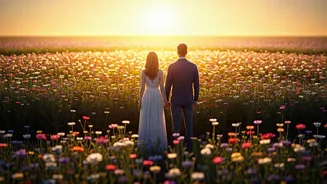
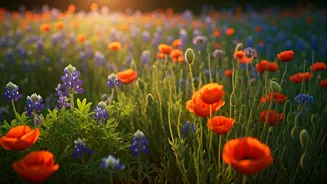
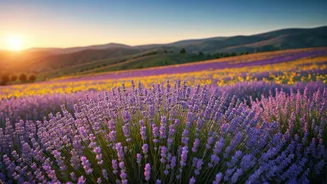
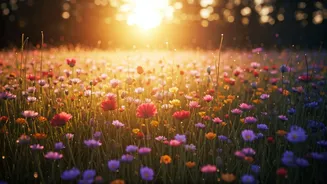
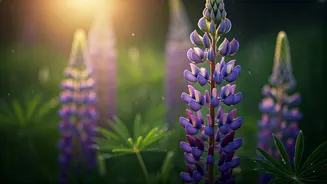
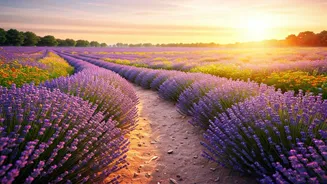
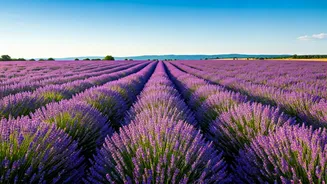
Flower photography is a masterclass in working with light and color. The soft, diffused light of early morning or the golden hour just before sunset can make petals glow from within. Overcast days are a hidden gift, providing even, gentle light that saturates colors and eliminates harsh shadows, making every hue pop. Bloom trips provide a stunningly vibrant palette to work with. You’re not just shooting a single flower in a pot; you’re composing with vast fields of color, creating images that feel immersive and dreamlike. You can play with depth of field, blurring a sea of background blossoms to make a single flower the hero of your shot. Or you can pull back and capture the sheer scale of it all, turning rows of tulips or a carpet of wildflowers into an abstract pattern of color. The environment does most of the heavy lifting, providing a spectacular visual playground for any photographer, from amateur to expert.
Simple Gear for Spectacular Shots
The best part about a floral photo walk is that you don’t need a bag full of expensive equipment. In fact, keeping it simple enhances the “calm” aspect. Your smartphone is a powerful tool. Use its portrait or cinematic mode to create a beautiful blurred background (bokeh) that makes your subject stand out. For an even closer look, inexpensive macro lens attachments for phones can reveal the intricate, hidden worlds within a single blossom. If you’re using a dedicated camera, a prime lens (like a 50mm f/1.8) is fantastic. It’s lightweight, excels in low light, and produces that creamy background blur everyone loves. A polarizing filter can also be a game-changer, cutting glare from leaves and deepening the blue of the sky to make your floral colors appear richer and more vibrant. The goal is to carry only what you need, freeing you to focus on composing your shot rather than fumbling with gear.
Iconic Blooms Across the U.S.
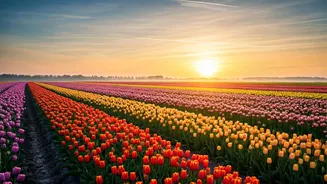
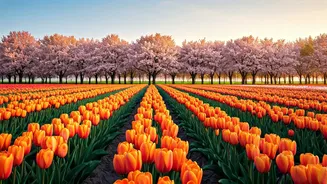
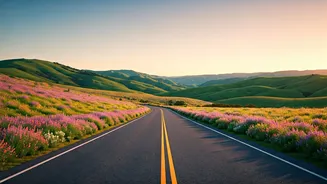
Inspiration for a bloom trip is never far away. Each spring, the nation puts on a series of breathtaking floral shows. The most famous is perhaps the National Cherry Blossom Festival in Washington, D.C., where the Tidal Basin is framed in clouds of pale pink and white. In the Pacific Northwest, Washington’s Skagit Valley erupts in geometric rows of brilliant tulips. Head to the Texas Hill Country for the iconic bluebonnets that carpet the roadsides, or to California when a wet winter produces a “superbloom” of golden poppies and other wildflowers in places like Antelope Valley. Even on a smaller scale, botanical gardens in cities like Philadelphia, New York, and San Francisco host magnificent, curated displays of magnolias, azaleas, and roses. These destinations are built for walking and offer the perfect backdrop for a peaceful day of photography.
Beyond the Perfect Instagram Post
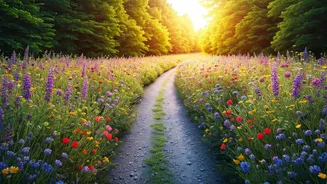
While you’ll almost certainly come home with a memory card full of beautiful images, the true value of a bloom-focused photo walk is the experience itself. It’s about feeling the gentle breeze, hearing the buzz of insects at work, and smelling the faint perfume of a million blossoms. The camera serves as a license to pause and look closer, but the ultimate reward is a renewed connection to the natural world. It’s a reminder that beauty is often fleeting and that taking the time to witness it is a worthy pursuit in and of itself. Let the pressure for the “perfect shot” go. Instead, focus on capturing what feels beautiful to you. The best photos will be the ones that, when you look at them later, transport you back to that moment of calm.