




Know Your Monsoons
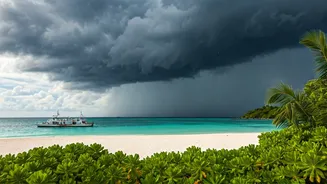
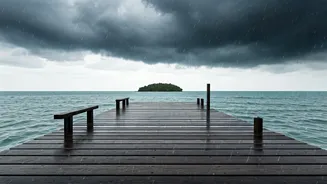
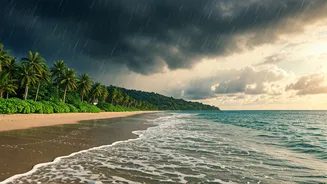
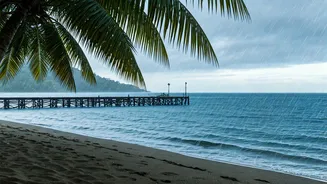
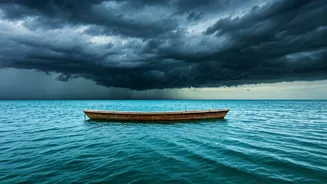
First, understand that the Andamans experience two monsoon seasons, not just one. The main Southwest monsoon hits from May to September, bringing heavy rainfall and strong winds. A second, the Northeast monsoon, brings intermittent rain from October to December.
While the latter is often considered a better time to visit than the peak rainy season, both periods demand a flexible approach. The picture-perfect, calm-sea experience you see in brochures is most common from January to April. Traveling outside this window doesn't mean a bad trip; it just means you need a Plan B, C, and D.
The Ferry Is Your Frenemy
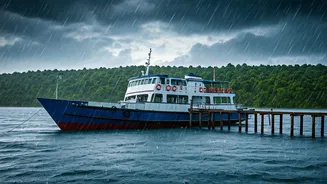
The single biggest point of failure in any rainy-season Andaman itinerary is inter-island transport. The archipelago is a collection of islands, and getting from the main hub of Port Blair to popular spots like Havelock Island (Swaraj Dweep) or Neil Island (Shaheed Dweep) requires a ferry. During heavy rain or rough seas, these ferries—both the slower government-run ones and the faster private catamarans—are often delayed or canceled outright for safety reasons. If you have a flight to catch from Port Blair the same day your ferry from Havelock gets canceled, you will miss it. The golden rule: build buffer days into your schedule. Plan to be back in Port Blair at least one full day before your departure flight. Don't book back-to-back island hops with no wiggle room.
When Water Sports Are a Washout
Scuba diving and snorkeling are primary draws for the Andamans, which boast some of the most vibrant coral reefs in the region. However, the monsoon can severely impact these activities. Rough seas make boat journeys to dive sites unsafe, and heavy runoff from the islands reduces water visibility, turning a spectacular underwater experience into a murky disappointment. Many dive shops operate on a reduced schedule or close entirely during the peak Southwest monsoon. If diving is the main purpose of your trip, aim for the dry season. If you're traveling in the shoulder season, be prepared for last-minute cancellations and have a list of non-water-based activities ready to go.
Embrace Land-Based Adventures
So, what do you do when the boats are docked and the beaches are windswept? The key to a successful monsoon trip is embracing the islands' other attractions. In Port Blair, you can dedicate a rainy afternoon to the Cellular Jail, a colonial prison with a moving history and an impressive evening light-and-sound show. Museums like the Samudrika Naval Marine Museum or the Anthropological Museum offer fascinating insights into the islands' ecology and indigenous tribes. On Havelock Island, a rainy day is perfect for renting a scooter (with caution on slick roads) and exploring the lush interior, visiting local markets, or simply relaxing at a cozy cafe with a book and a hot drink. The rain transforms the jungles into a vibrant, misty green landscape that's beautiful in its own right.
Booking and Packing for Uncertainty
Your pre-trip planning can make or break your experience. When booking accommodations, prioritize hotels with flexible cancellation policies, especially for the later part of your trip. Don't prepay for everything if you can avoid it. Inform your hotels about your travel plan; a good local hotelier can be an invaluable source of real-time information on weather and ferry status. For packing, think beyond swimsuits. Include a lightweight, high-quality rain jacket, quick-dry clothing, and waterproof bags for your electronics and documents. A good pair of non-slip sandals or waterproof shoes is essential. Finally, pack a good book or download movies—a forced day of relaxation indoors can feel like a luxury if you're prepared for it.