

Welcome to the Scotland of India
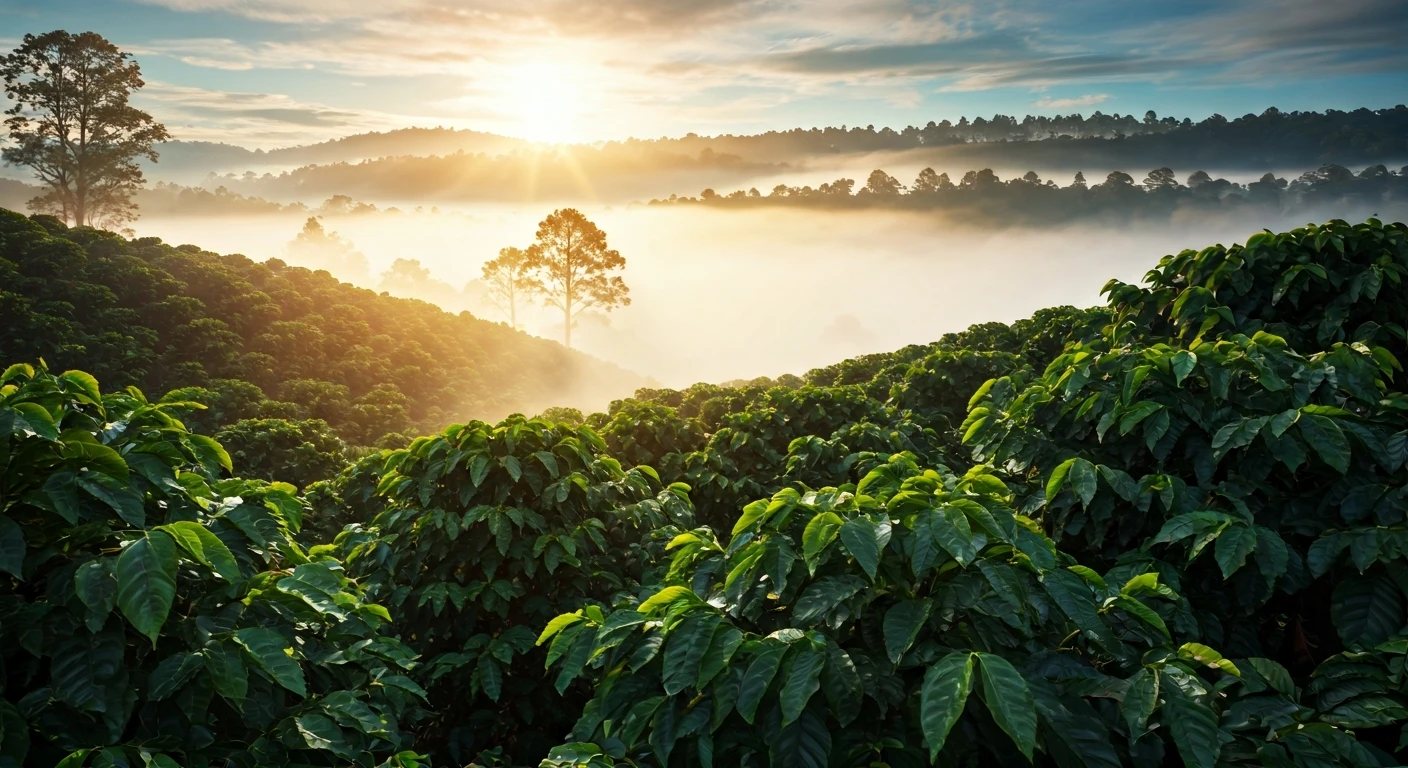
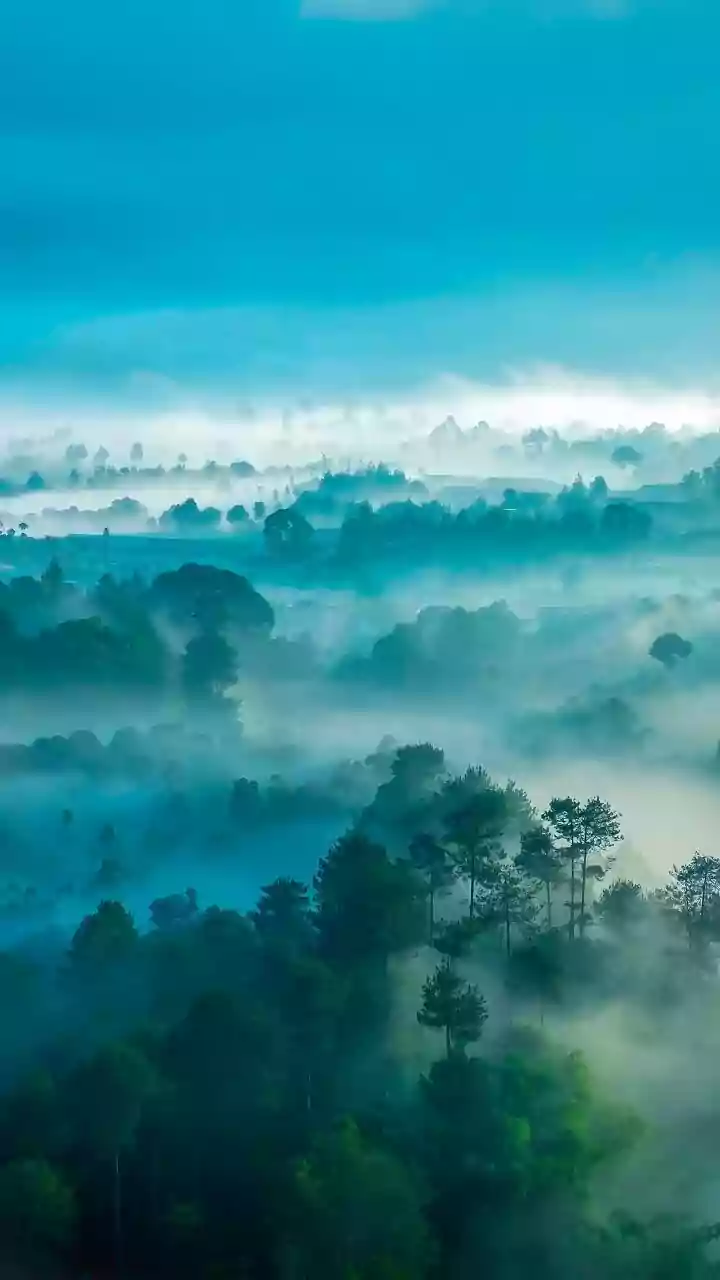
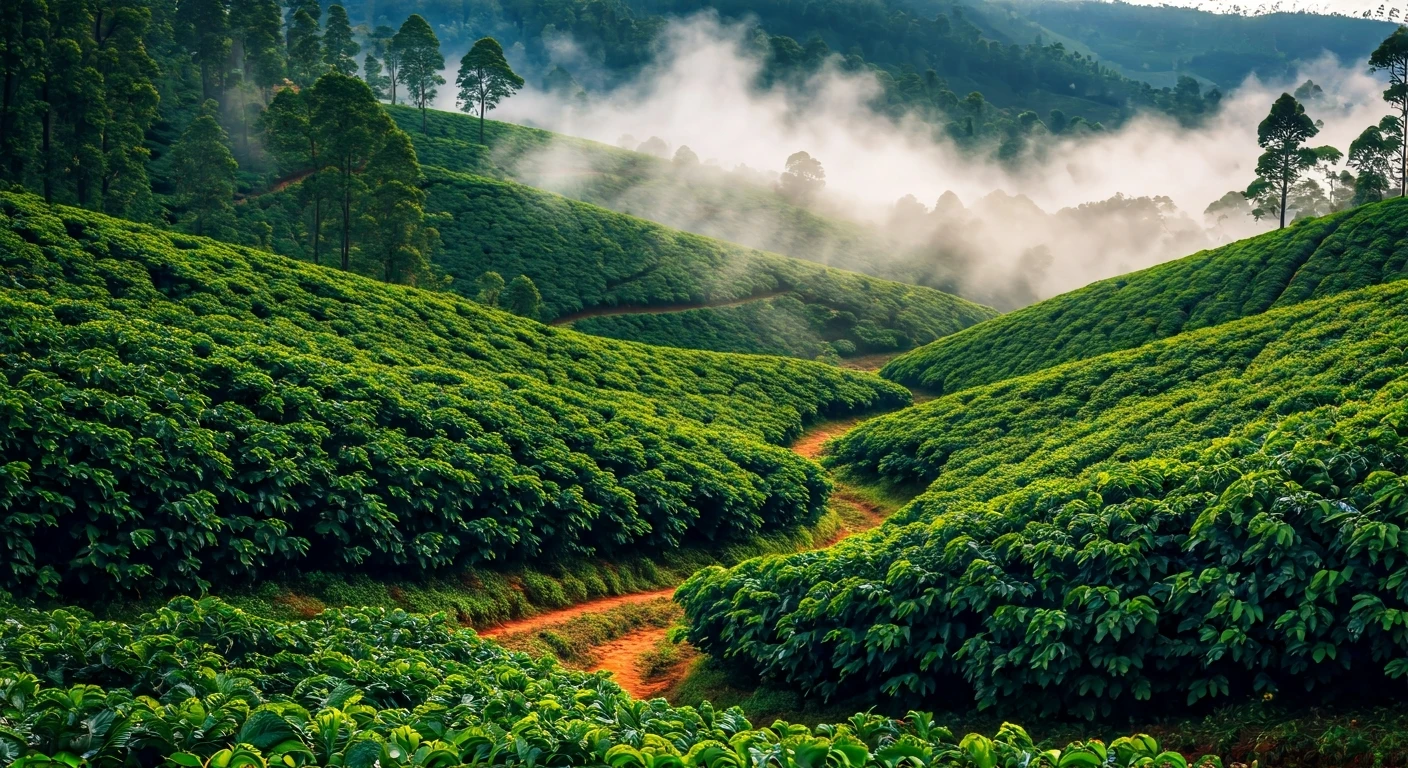
Tucked away in the Western Ghats mountain range of Karnataka in southern India, the district of Kodagu, affectionately known as Coorg, has long been a cherished getaway for locals. Its rolling hills, cool climate, and colonial-era charm earned it the nickname
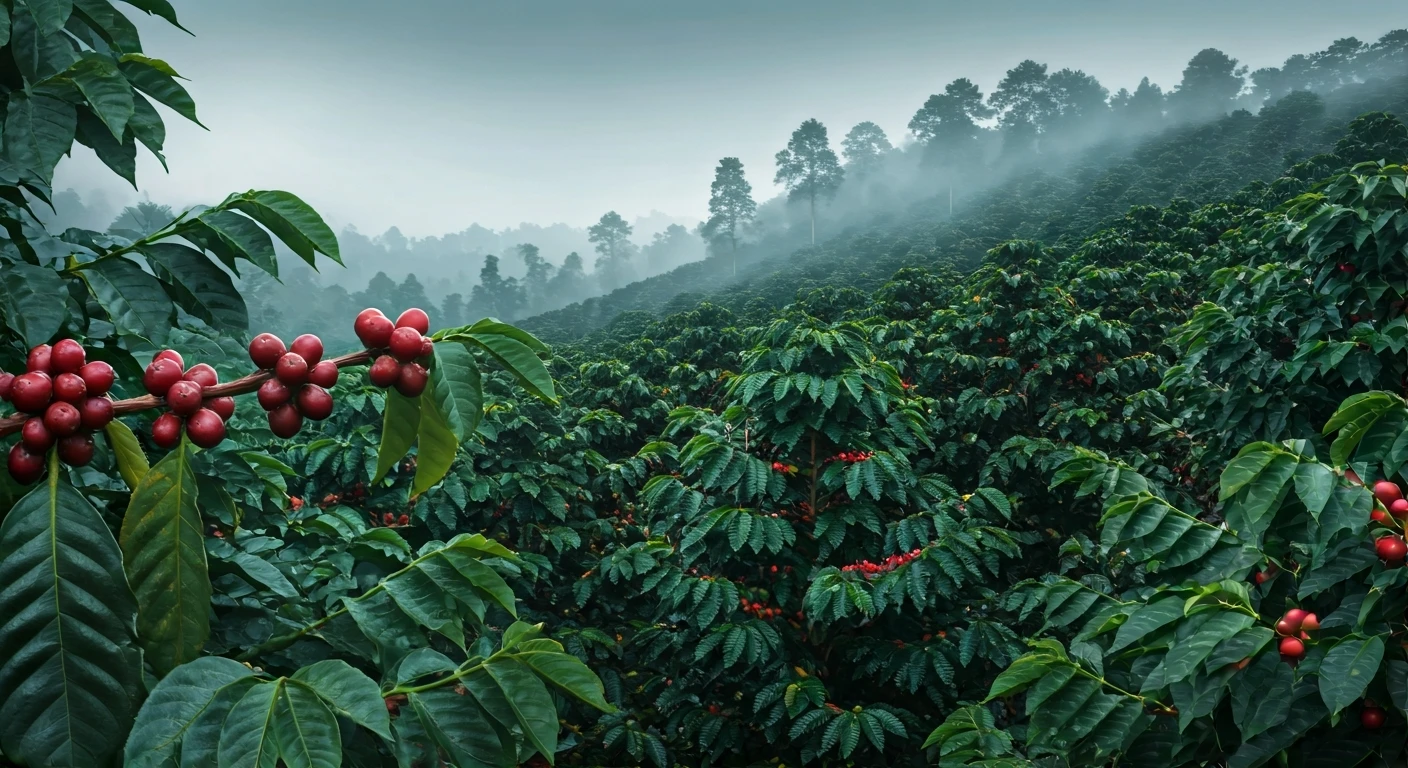
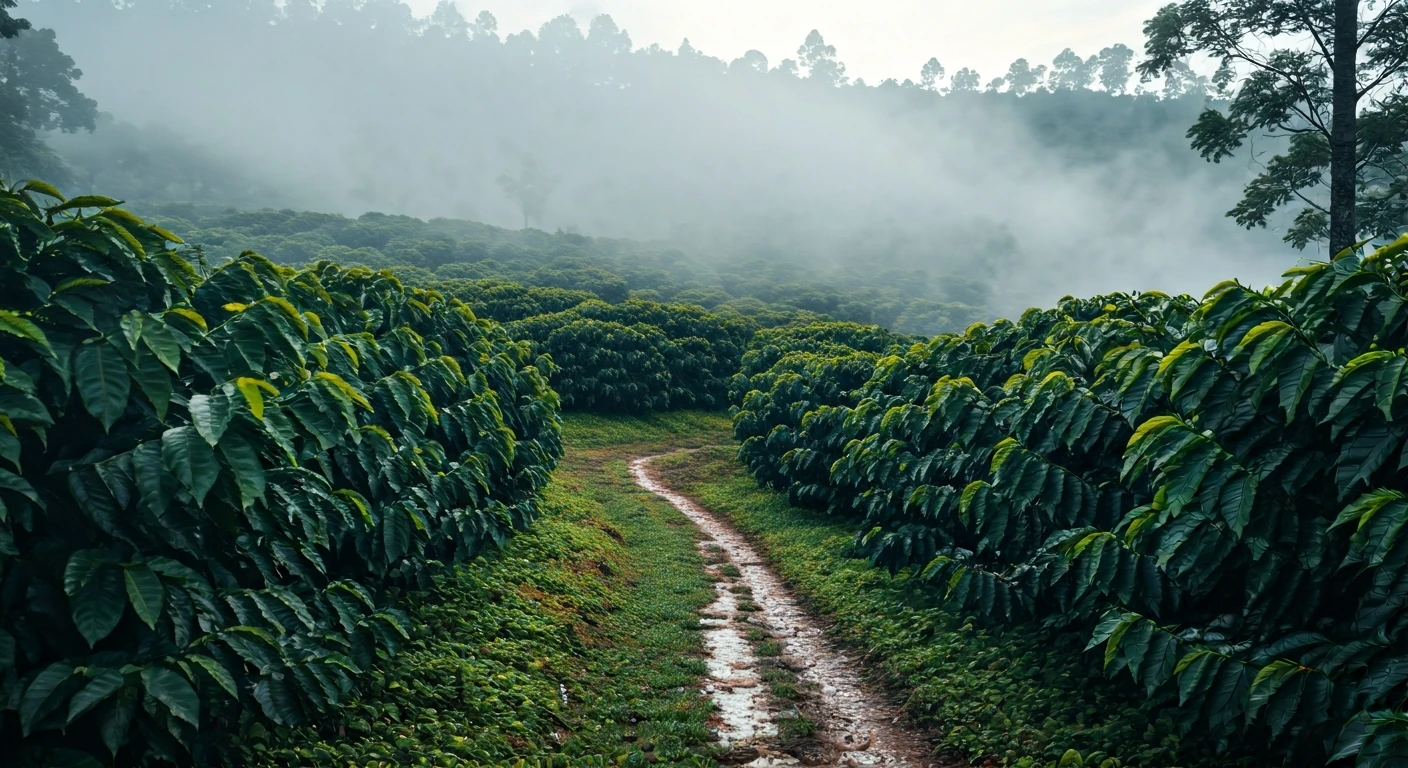
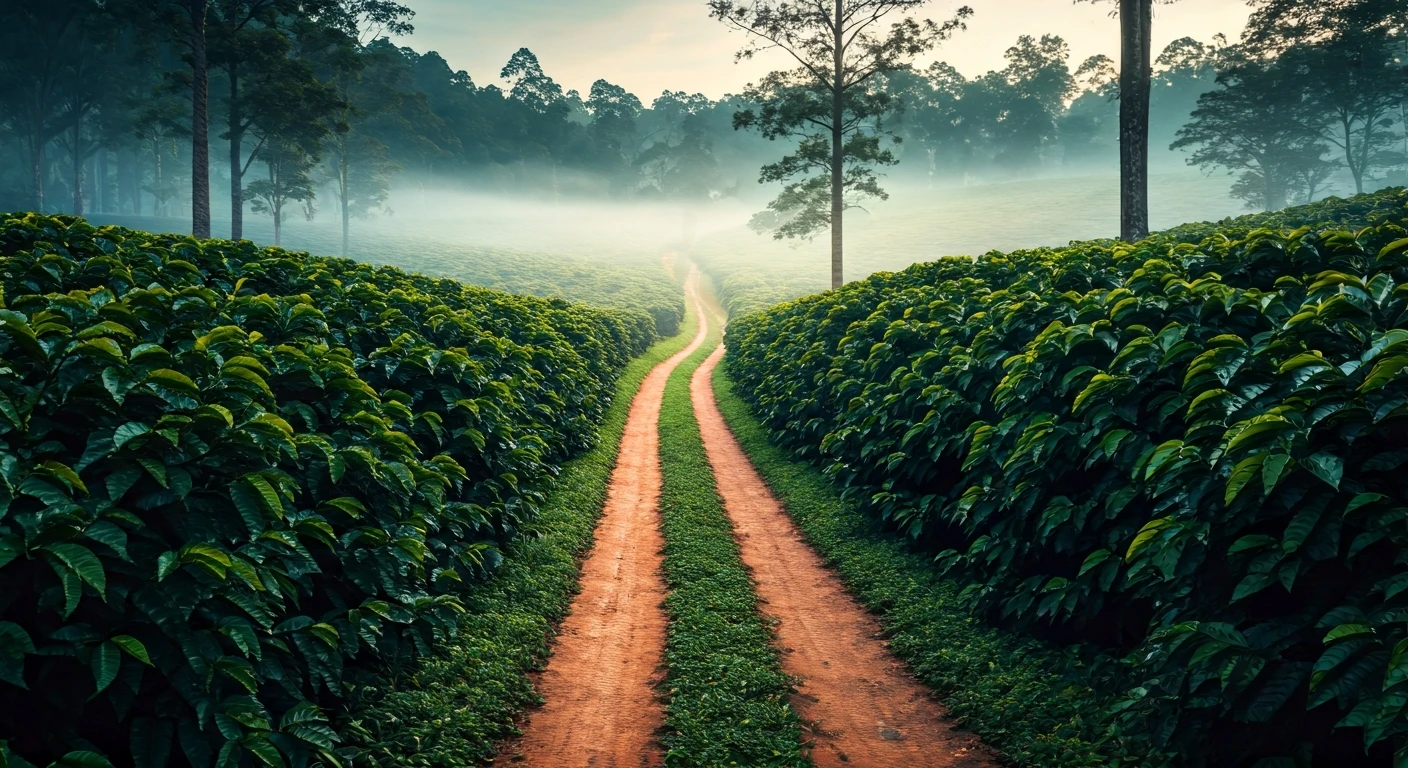
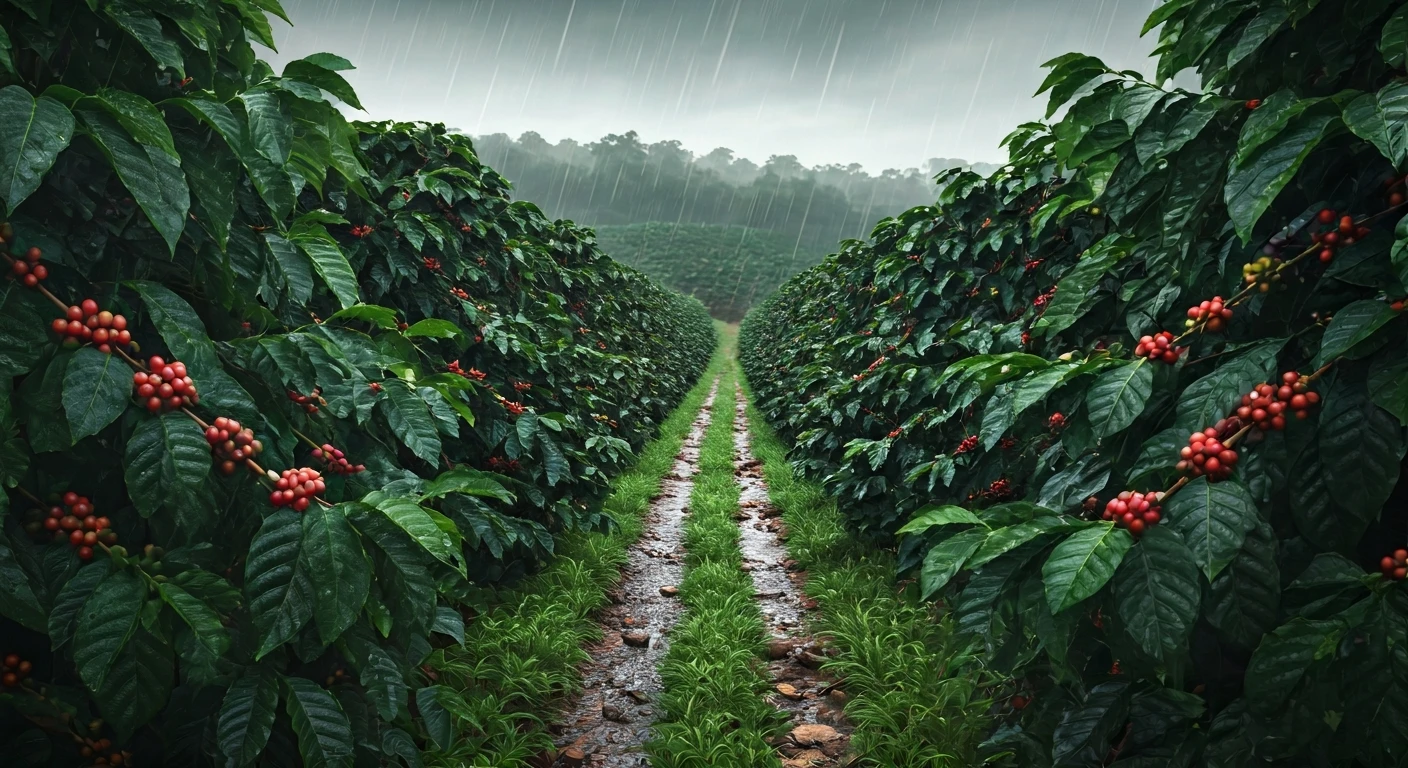
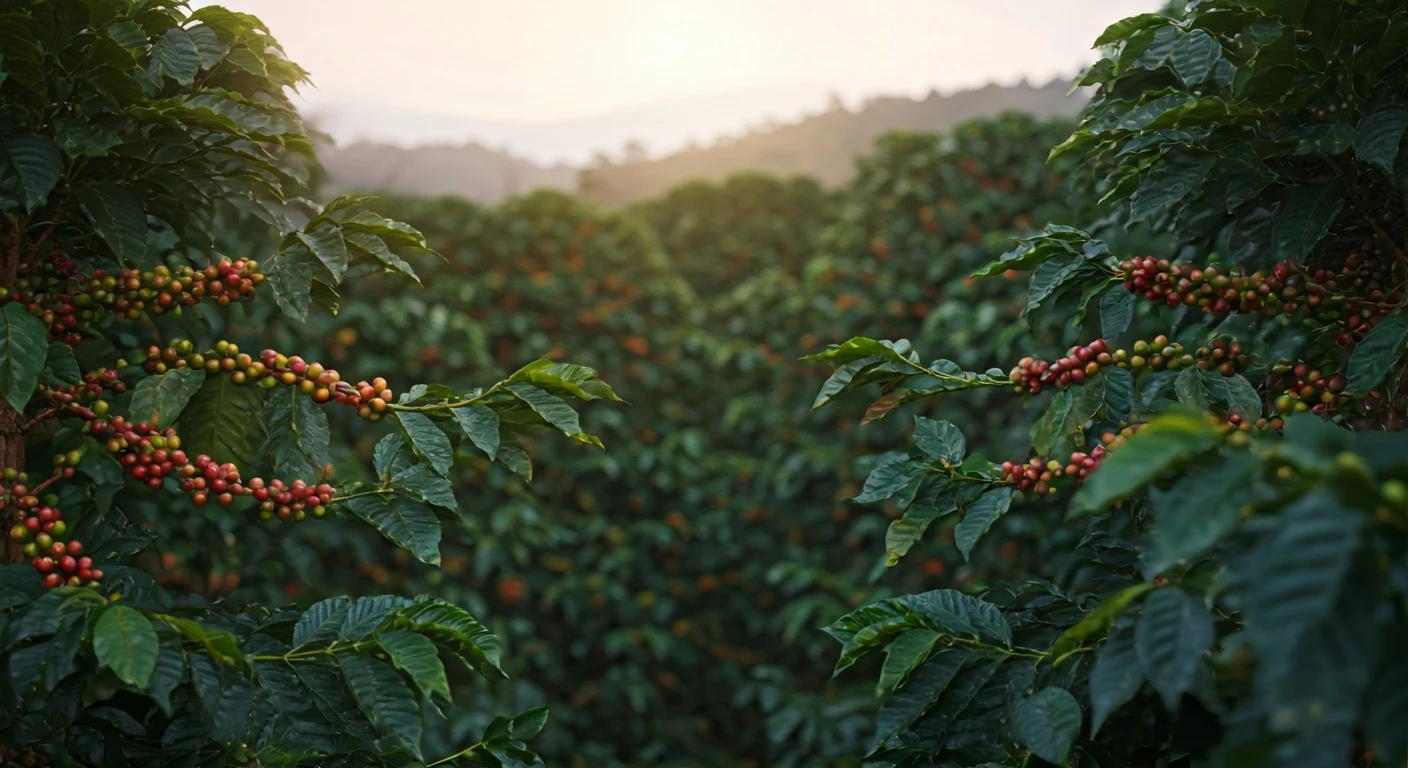
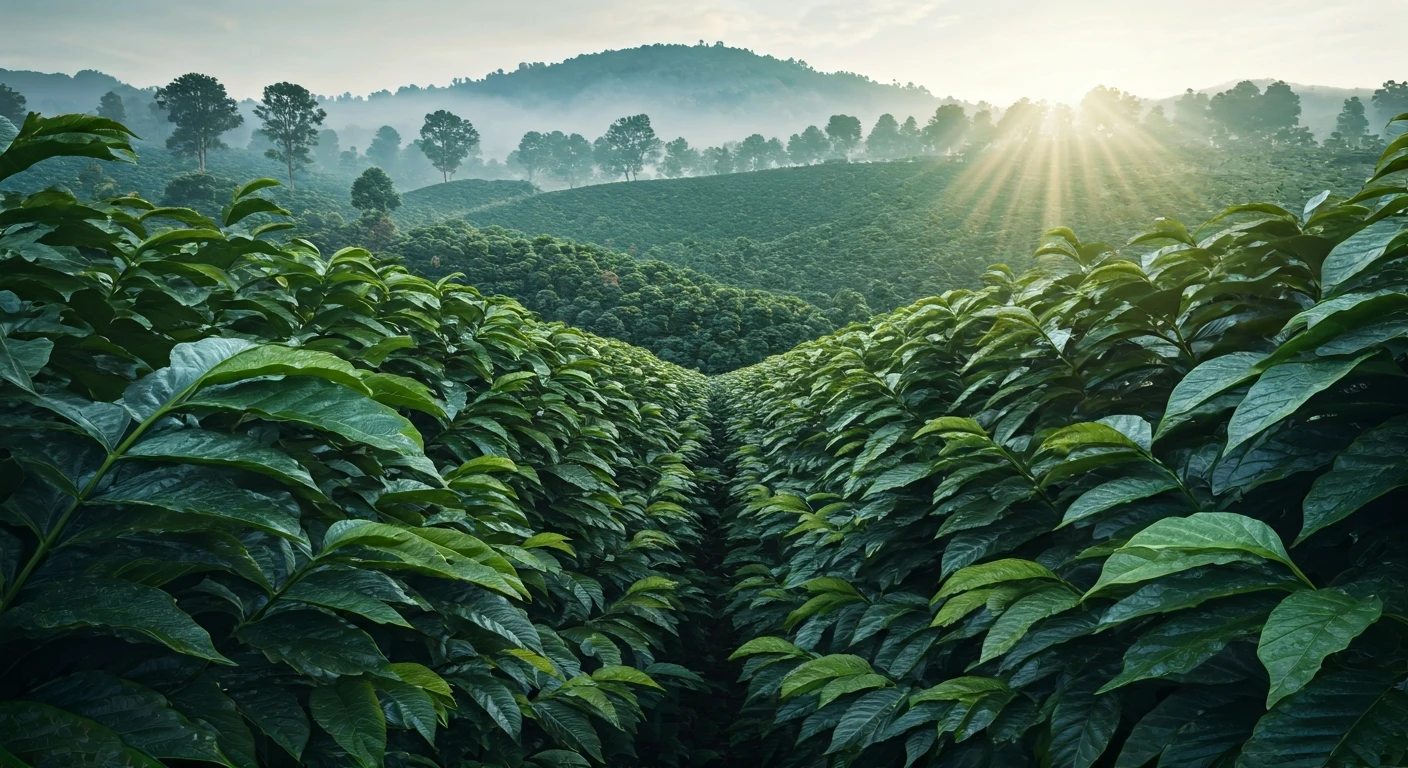
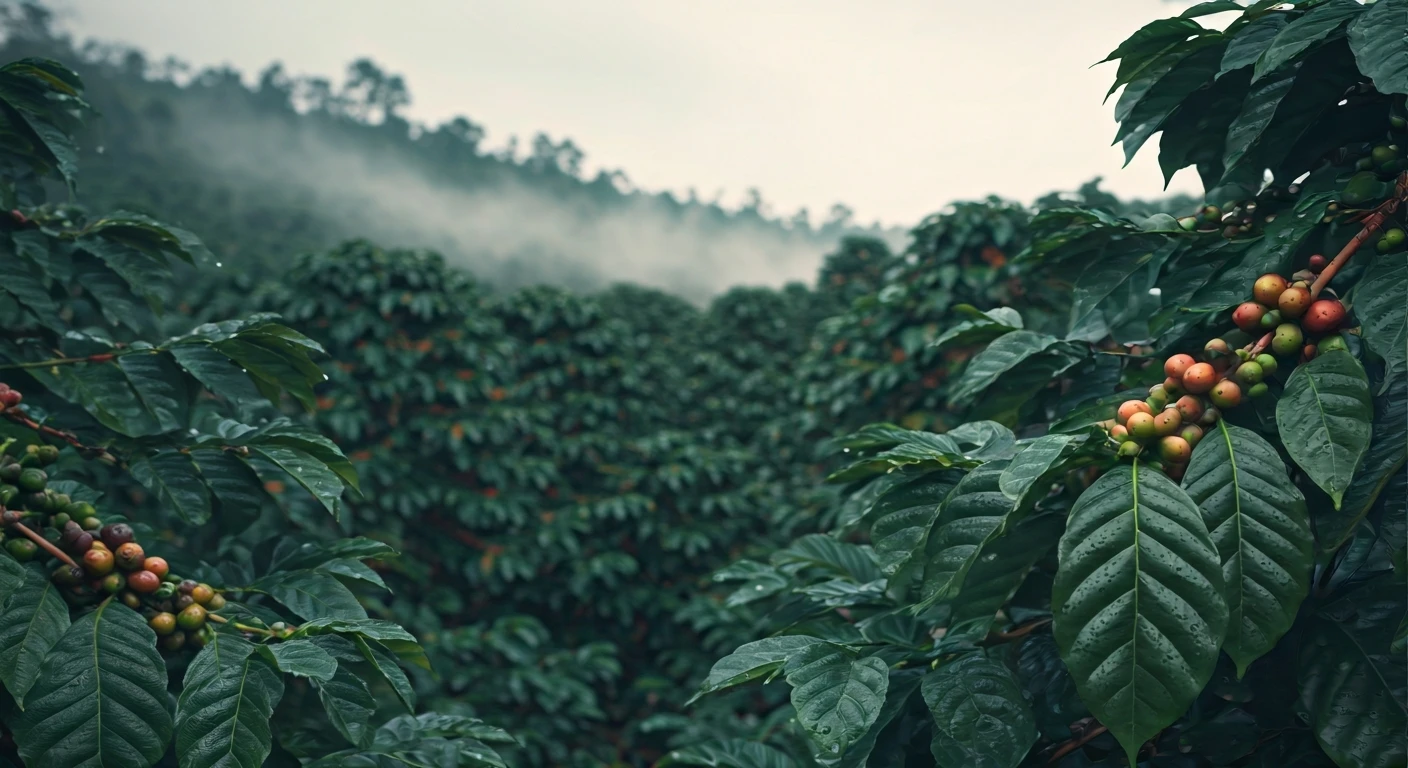
'the Scotland of India.' But unlike the highlands of Britain, Coorg’s slopes are covered not with heather, but with the glossy, dark green leaves of coffee plants. This region is the heart of India’s coffee production, accounting for a significant portion of the country's yield, primarily the robusta variety, with some arabica as well. For the U.S. traveler whose knowledge of India might be limited to the Taj Mahal or the beaches of Goa, Coorg offers a completely different, and arguably more immersive, sensory experience.
A Bean-to-Cup Journey
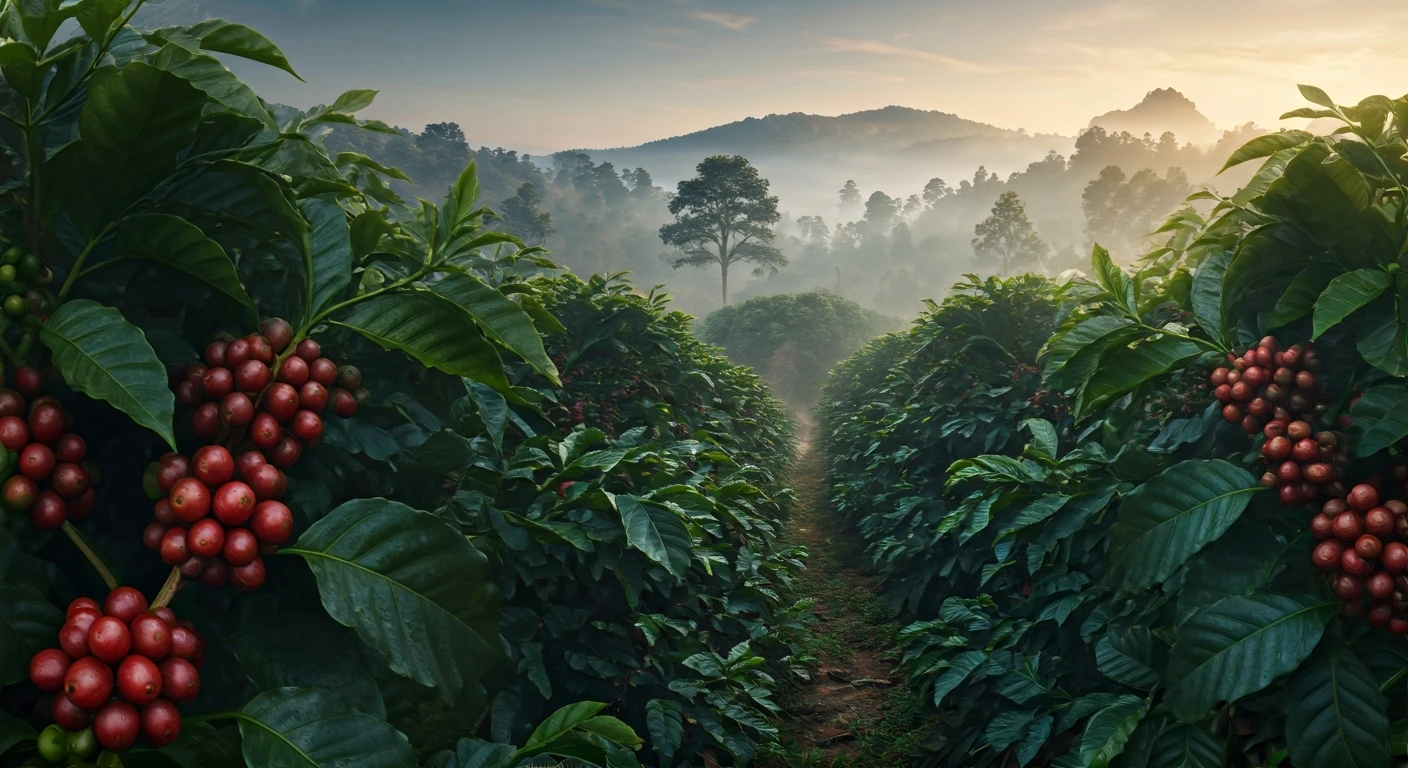
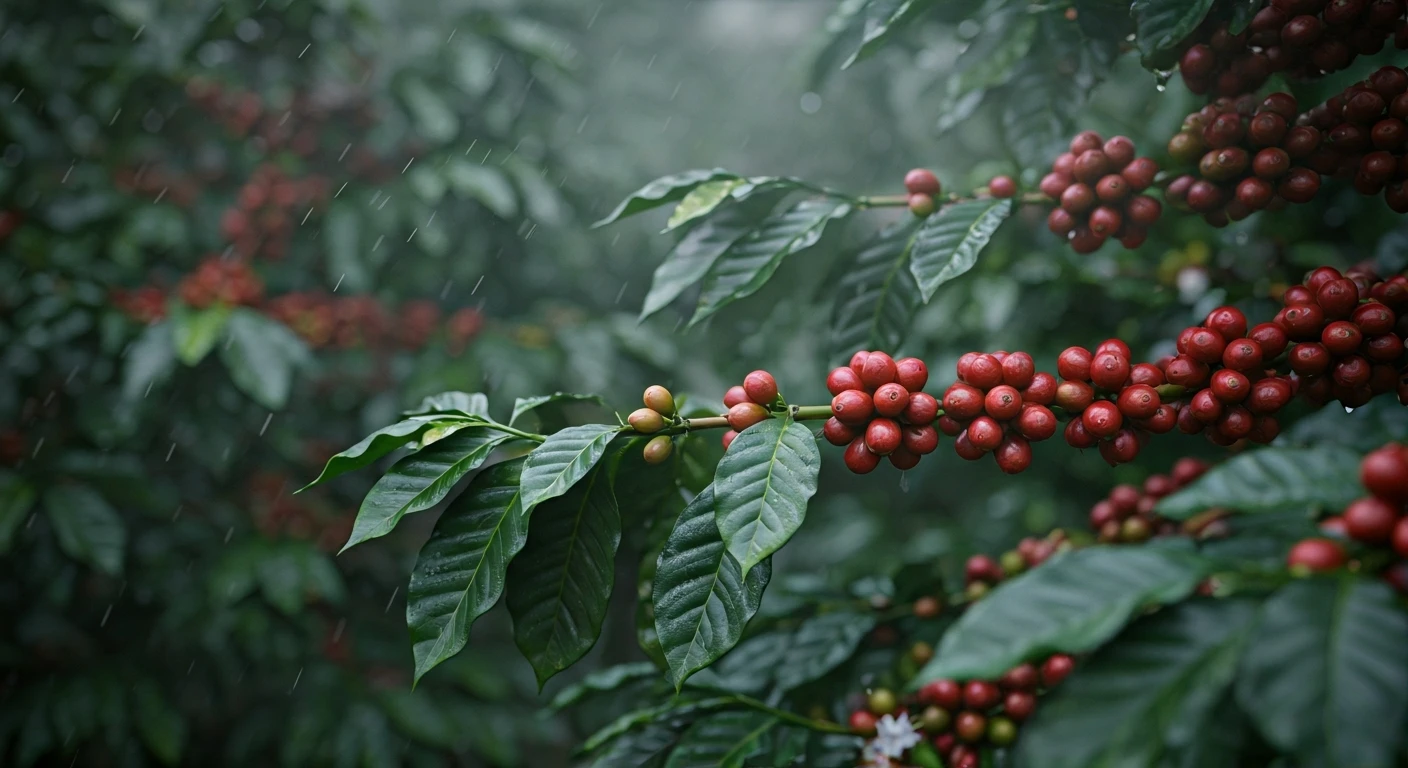
The main attraction, and the reason for its resurfacing buzz, is the 'coffee trail.' This isn’t a single, marked path, but an entire ecosystem of experiences built around the coffee bean. Travelers can stay in boutique homestays and heritage bungalows situated right on sprawling coffee estates. The experience is hands-on and educational. You can join guided walks through the plantations, learning to distinguish between arabica and robusta plants, often shaded by massive jackfruit and fig trees. The tours are a masterclass in coffee cultivation. You’ll see workers, often descendants of the original planters, meticulously hand-picking the ripe red coffee cherries during the harvest season (typically November to January). You’ll learn about the pulping, drying, and roasting processes—often ending with a 'cupping' session, the professional term for a coffee tasting. Here, you learn to identify notes of chicory, spice, or fruit in a brew made from beans grown just feet from where you stand. It's the ultimate farm-to-table journey, but for your morning cup.
More Than Just a Cup of Joe
While coffee is the undeniable star, Coorg’s appeal is layered. The region is a biodiversity hotspot. Those same trails that wind through coffee estates also lead to breathtaking viewpoints and cascading waterfalls like Abbey Falls and Iruppu Falls. The lush forests are home to elephants, bison, and a spectacular array of birdlife, making it a haven for nature lovers and birdwatchers. The local culture of the Kodava people is also unique, with distinct traditions, cuisine, and dress. A stay in Coorg is incomplete without sampling the local food, which is flavorful and distinct from typical Indian restaurant fare. Expect dishes like pandi curry (a spicy pork dish), kadambattu (steamed rice dumplings), and bamboo shoot curry, all made with locally sourced spices that grow alongside the coffee.
The Return of Experiential Travel
So why is Coorg bubbling up in travel conversations now? It perfectly aligns with the post-pandemic craving for meaningful and sustainable travel. After years of lockdowns and restrictions, travelers are actively seeking out slower, more immersive experiences over crowded tourist traps. Agri-tourism, where visitors connect with the land and the source of their food, is a booming trend. Coorg delivers this in spades. It offers a chance to disconnect from digital life and reconnect with nature, to understand the journey of a product we consume daily, and to support local communities directly through homestays and small-scale tours. It’s an antidote to the generic, mass-market vacation, offering a story you can taste, smell, and see for yourself.
Planning Your Aromatic Adventure
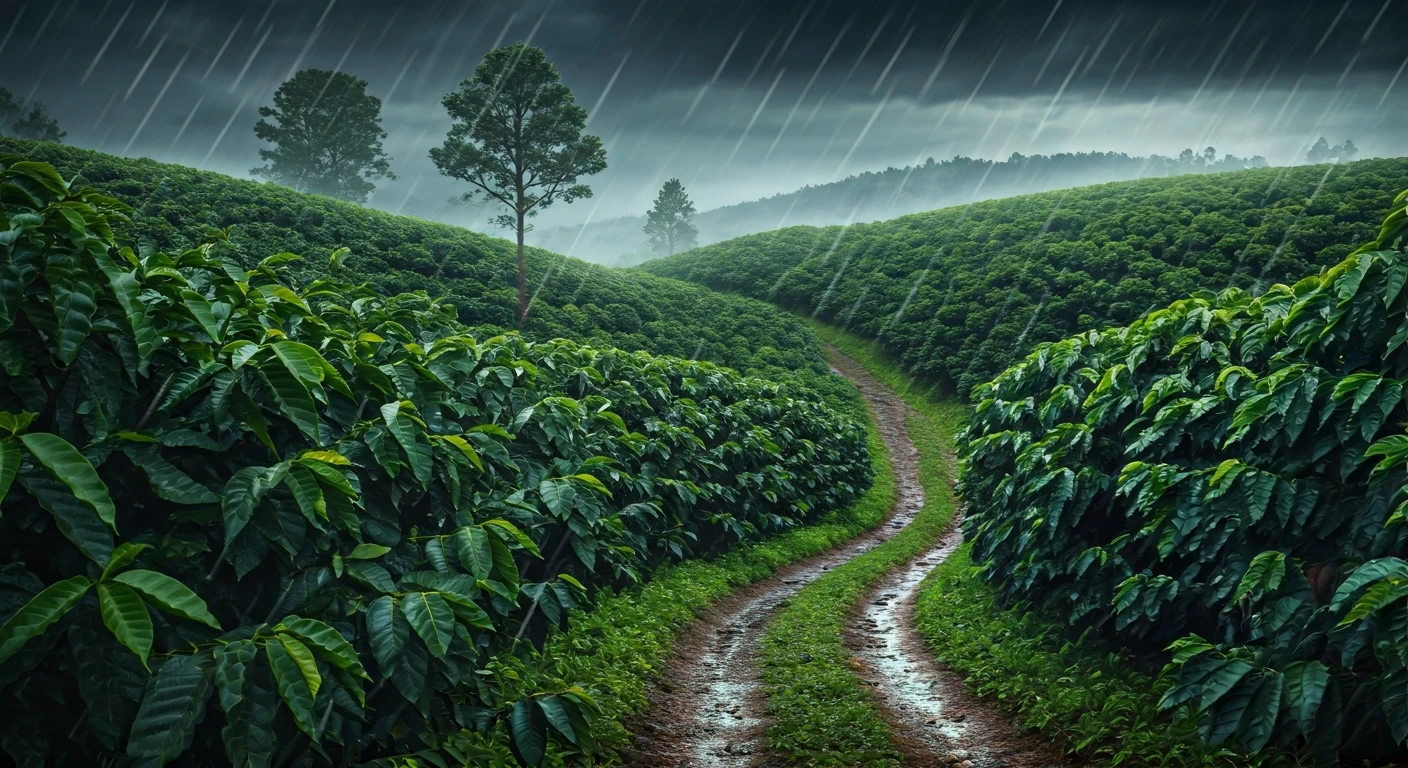
For Americans, getting to Coorg requires a bit of planning but is well worth the effort. The nearest major international airports are in Bengaluru (Bangalore) and Mangaluru (Mangalore). From either city, it’s a scenic, albeit winding, 5-to-6-hour drive. You can hire a car and driver for the journey, which is the most common method. The best time to visit is from October to March, when the weather is pleasant and the landscape is lush post-monsoon. If you want to witness the coffee harvest, aim for November through January. For the magical sight of the coffee plants in full, fragrant bloom, plan a trip around March or April. Accommodations range from luxurious resorts with private pools to charming, family-run homestays that offer a deeper cultural immersion.