


An Architectural Centerpiece
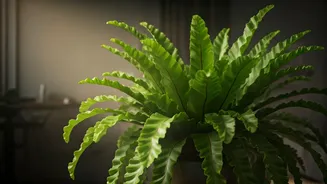
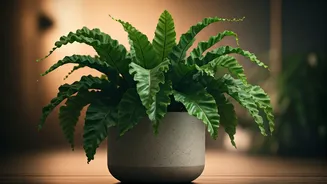
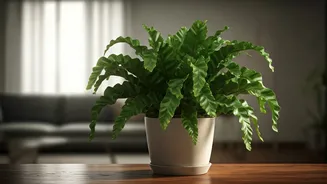
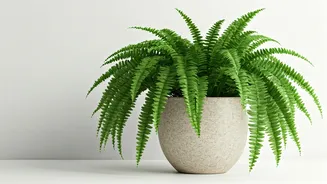
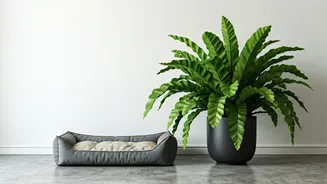
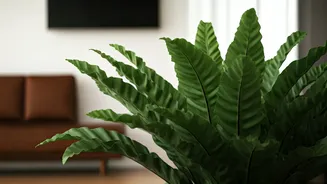
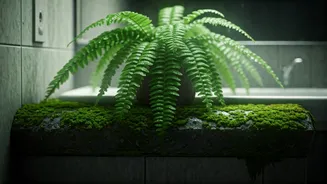
What makes the Bird's Nest Fern (*Asplenium nidus*) a “statement” plant isn't garish color or delicate flowers, but its stunning form. The plant grows in a rosette pattern, with bright green, wavy-edged fronds unfurling from a central, fuzzy 'nest'—hence
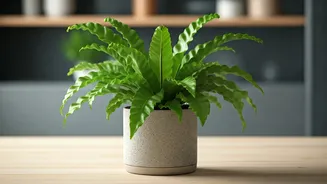
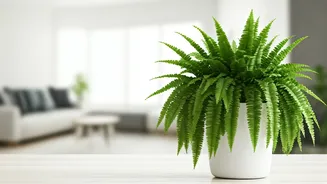
the name. This growth habit gives it a clean, architectural look that feels both modern and timeless. Unlike the wispy, delicate fronds of a maidenhair fern, the Bird's Nest Fern has broad, leathery leaves that can grow up to two feet long indoors. This substantial presence allows it to command attention on a bookshelf, coffee table, or plant stand, acting as a piece of living sculpture. Its undivided fronds create a bold, tropical vibe that can transform a sterile corner into a lush, inviting oasis.
Peace of Mind for Pets and Parents
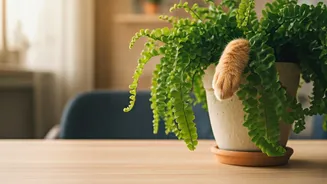
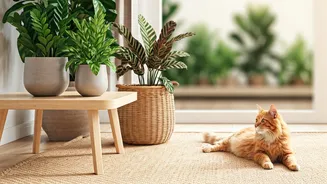
For many households, the number one question before bringing a new plant home is, “Is it toxic?” Here, the Bird's Nest Fern delivers one of its most compelling benefits. According to the American Society for the Prevention of Cruelty to Animals (ASPCA), the Bird's Nest Fern is non-toxic to cats, dogs, and horses. This makes it an exceptionally worry-free choice for homes with curious pets or small children who might be tempted to nibble on a leaf. While many popular statement plants like the Fiddle Leaf Fig or Monstera can be toxic if ingested, this fern allows you to get that big-leaf, jungle-like aesthetic without the associated risk. You can place it on the floor in a large planter or on a low table without having to constantly supervise your four-legged family members.
Finding the Sweet Spot: Light
Like most ferns, the Bird's Nest Fern is not a fan of harsh, direct sunlight. In its native habitat in the tropical rainforests of Southeast Asia, it grows as an epiphyte on trees, nestled under the dense forest canopy. This is the key to understanding its needs. It thrives in medium to bright, indirect light. An east-facing window that gets gentle morning sun is ideal, as is a spot a few feet back from a south- or west-facing window. Direct sun will scorch its beautiful fronds, leaving them yellowed and crispy. On the other hand, it's more tolerant of lower light conditions than many other houseplants, making it a good candidate for brightening up a dimmer room, though its growth will be slower.
Mastering Moisture and Humidity
The most common challenge with ferns is getting the watering right, but the Bird's Nest Fern offers clear signals. It prefers consistently moist, but not waterlogged, soil. A good rule of thumb is to water thoroughly when the top inch of soil feels dry to the touch. Allow excess water to drain away completely, as letting it sit in a soggy saucer can lead to root rot. One crucial tip: avoid watering directly into the central “nest.” This can trap moisture and cause the crown to rot, which is often fatal for the plant. Instead, water the soil around the base of the plant. As a tropical native, it also craves high humidity. If your home is dry, especially in winter, consider placing it on a pebble tray, grouping it with other plants, or running a humidifier nearby. A happy, well-hydrated fern will reward you with vibrant, glossy leaves.
Simple Long-Term Care
Beyond light and water, the Bird's Nest Fern is refreshingly low-maintenance. It doesn't require constant pruning, though you can trim off any brown or yellowed outer fronds at their base to keep the plant looking tidy. Use a clean, sharp pair of scissors. Feed it with a balanced liquid fertilizer diluted to half-strength once a month during the spring and summer growing season, and reduce feeding in the fall and winter. It prefers a well-draining, peat-based potting mix, similar to what you'd use for orchids. Because it grows relatively slowly, you'll only need to repot it every two years or so, or when it becomes visibly root-bound.