







What Are These Magical Flowers?
Rain lilies, known to botanists as *Zephyranthes*, are small, unassuming bulb plants that pack a major visual punch. Often called fairy lilies or zephyr flowers, they produce grassy foliage that can look a bit like mondo grass or chives for most of the season.
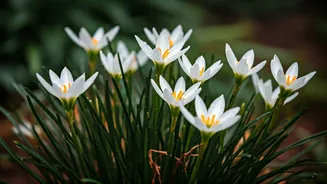
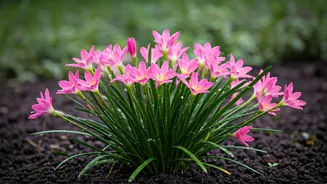
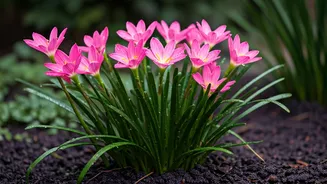
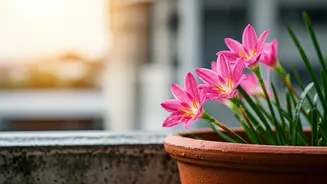
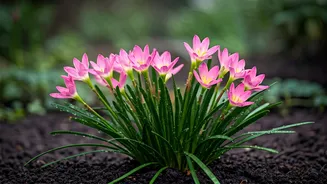
It’s easy to forget you even planted them. But their quiet nature is just a prelude to their dramatic performance. When the conditions are right, they send up slender stems topped with star- or crocus-shaped flowers in shades of white, pink, and yellow. Their sudden appearance is what earns them their 'magical' reputation, turning a mundane pot of green into a stunning floral display with astonishing speed.
The Science Behind the Surprise Bloom
The 'overnight' transformation isn't just a turn of phrase; it's rooted in the plant's survival strategy. Rain lilies are native to regions with distinct wet and dry seasons. The bulbs lie dormant during dry spells, conserving energy. A sudden, heavy rainfall, often accompanied by a drop in barometric pressure, acts as a biological trigger. This signal tells the bulb that the rainy season has begun and it's the perfect time to flower and set seed. In response, the plant pushes up a flower stalk at a remarkable pace. While it might not be a literal eight hours, seeing a flower emerge and open fully within 24 to 48 hours feels like witnessing a time-lapse video in real life. This rapid cycle is what makes them so captivating—they thrive on the same summer downpours that send us running for cover.
Your Balcony Transformation Guide
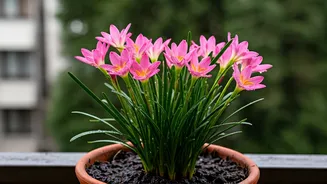
Bringing this magic to your own balcony is surprisingly simple, as rain lilies are famously low-maintenance. Here’s how to get started: 1. **Container and Soil:** Choose any pot with excellent drainage holes. Rain lily bulbs are prone to rot if they sit in waterlogged soil. Use a standard, well-draining potting mix; you can add a bit of sand or perlite to improve drainage further. 2. **Planting the Bulbs:** Plant the small bulbs about 1-2 inches deep and 2-3 inches apart. Don't worry about being too precise. Planting them in a dense cluster of a dozen or more creates a much more dramatic effect when they all bloom together. 3. **Sunlight:** They perform best in full sun to light shade. A spot on your balcony that gets at least six hours of direct sunlight is ideal for promoting strong growth and reliable flowering. 4. **Watering is Key:** This is where you can play Mother Nature. After planting, water them and then let the soil dry out. To encourage a bloom, let the pot remain relatively dry for a few weeks, then give it a thorough, deep soaking to simulate a heavy rain. This 'drought-then-drench' cycle is the secret to forcing a bloom.
Choosing Your Lilies
You can find rain lily bulbs at most garden centers in the spring or from a wide variety of online bulb retailers. They are inexpensive, allowing you to buy in bulk for a lush display. A few popular and reliable varieties to look for include: * ***Zephyranthes candida***: A tough and prolific bloomer with bright white flowers. It's one of the most common and easiest to grow. * ***Zephyranthes grandiflora***: Features larger, vibrant pink flowers and is a true showstopper. * ***Zephyranthes citrina***: Offers cheerful, lemon-yellow blooms that bring a splash of sunshine to your container garden. Planting a mix of colors can create an even more enchanting effect. Because they multiply over time, your small collection of bulbs will eventually become a thick, grassy clump capable of producing dozens of flowers after each summer shower.