






Beyond Kibble and a Walk
For generations, pet care essentials were simple: food, water, shelter, and an annual vet visit. Today, that checklist has expanded dramatically. The modern pet 'wellness routine' is a holistic, multi-faceted regimen mirroring the one their human owners
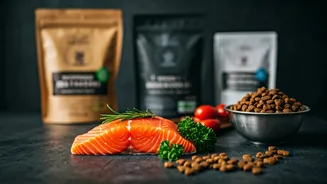
follow. It starts with diet. Forget generic kibble; the new standard is fresh, human-grade food delivered in pre-portioned packs, customized to a pet’s specific age, breed, and health needs. Companies like The Farmer’s Dog and Nom Nom have built entire empires on this premise. Beyond the main course, there’s a booming market for supplements. We’re talking omega-3 oils for a shinier coat, glucosamine for joint health in senior dogs, and probiotics to support a healthy gut microbiome. It's the same logic we apply to our own health, now meticulously applied to our four-legged companions.
Mental and Emotional Health Matter, Too
The new wellness paradigm isn't just about physical health. It’s also about a pet's mental and emotional state. As our understanding of animal cognition and emotion grows, owners are investing in tools to keep their pets happy and anxiety-free. This translates into a surge in demand for enrichment toys, such as complex puzzle feeders that challenge a dog’s mind and slow-lick mats designed to be a calming activity. For anxious pets, the options are extensive: weighted 'calming' beds, pheromone diffusers that mimic a mother’s comforting scent, and a dizzying array of CBD-infused oils and treats marketed for stress relief. For more hands-on care, services like doga (dog yoga), pet massage, and even animal acupuncture are moving from niche oddities to mainstream offerings in major cities.
Why Is This Happening Now?
This trend is fueled by a perfect storm of social and economic factors. The primary driver is the 'humanization' of pets. A staggering percentage of owners, particularly Millennials and Gen Z, view their pets not as animals, but as children or integral family members. This emotional shift means they’re willing to spend more on their pet's well-being—a trend backed by data from the American Pet Products Association, which shows spending has consistently climbed for years. This is compounded by the fact that many younger adults are delaying marriage and parenthood, redirecting their nurturing instincts and disposable income toward their 'fur babies.' Furthermore, the broader wellness movement has primed us to think in terms of proactive, preventative health. After spending a decade optimizing our own diets, sleep, and mental health, applying the same principles to the creatures we love most feels like a natural next step.
An Industry Unleashed
Where there’s demand, a market will follow. The pet wellness industry is now a multi-billion-dollar behemoth. It’s not just small startups, either. Major corporations like General Mills (Blue Buffalo) and Mars (Royal Canin, Iams) have invested heavily in premium and specialized pet nutrition. Venture capital is pouring into pet-tech, funding everything from fitness trackers that monitor activity and sleep (think Fitbit for your dog) to smart cameras that dispense treats and let you talk to your pet from the office. This commercial ecosystem makes it easier than ever for owners to access these products and services. With a few clicks, you can schedule a telehealth vet appointment, order a custom-formulated meal plan, or subscribe to a monthly box of enrichment toys. The wellness routine is no longer a DIY project; it's a consumer category.