



A Plant That Loves the Heat
To understand okra's late-season resilience, you have to understand its origins. A member of the mallow family, which includes cotton and hibiscus, okra (Abelmoschus esculentus) is native to the warm climates of Africa and South Asia. It wasn't just built
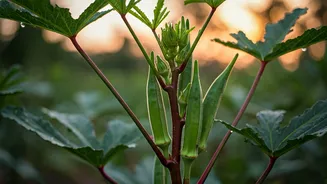
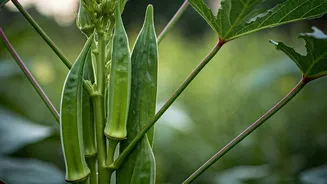
for heat; it was forged by it. While your tomato plants are splitting and your squash vines are succumbing to powdery mildew under the relentless late-summer sun, a healthy okra stalk is just hitting its stride. It craves long, hot days, soaking up the solar energy that causes less-hardy vegetables to wilt and give up. For most of the United States, especially in the South and Midwest, the peak heat of July and August is precisely what okra needs to transform from a gangly seedling into a robust, productive powerhouse. Its deep taproot seeks out moisture far below the surface, making it surprisingly drought-tolerant once established.
The Late-Summer Super Producer
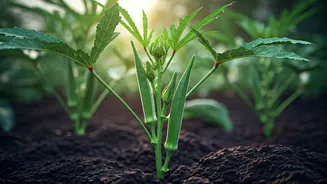
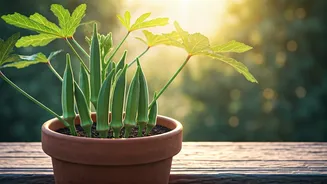
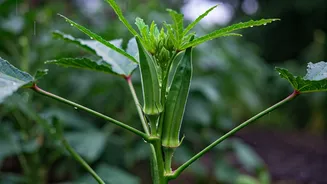
Okra’s growth cycle is a lesson in patience followed by a sudden burst of activity. Plants often grow slowly in the cooler, milder days of early summer. A novice gardener might even worry that their okra is falling behind. Then, as the soil temperature and daytime highs consistently stay above 85 degrees, the plant accelerates. It shoots upward, often growing several feet tall, and its beautiful, hibiscus-like yellow flowers begin to appear. Each flower lasts only a day, but in its wake, it leaves the beginnings of an okra pod. This is when the magic begins. An established plant in peak season can produce a new, harvestable pod from each flower site every two to three days. This rapid-fire production turns the plant into a daily destination for gardeners, who know that missing even a day can mean the difference between a tender pod and a woody, inedible one.
Why Rain Recharges the Plant
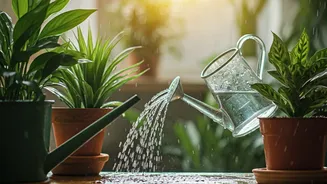
The headline's claim hinges on a perfect combination of factors. After a long, hot, and sometimes dry stretch in mid-summer, the arrival of more consistent rain in late August or September is like a power-up. The established, heat-loving plant, with its strong root system, is perfectly positioned to take advantage of this new moisture. The rain doesn't cool things down enough to shut down production; instead, it provides the fuel needed for the plant to continue its rapid flowering and fruiting cycle. The water helps the plant push out new growth and plump up the pods, often increasing the pace of production. There is a crucial caveat, however: okra despises 'wet feet.' It demands well-drained soil. In heavy clay soil that holds water, excessive rain can lead to root rot, which will quickly kill the plant. But in a garden bed with good drainage, these late-season showers are the perfect complement to the lingering warmth, extending the harvest season well into the fall.
Harvesting for Continuous Abundance
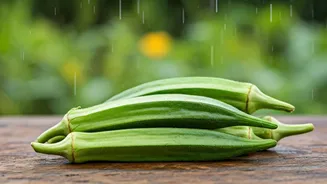
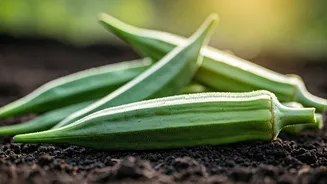
The single most important secret to a long and bountiful okra season is aggressive harvesting. Okra’s entire biological purpose is to produce seeds for the next generation. As long as you keep picking the pods before they mature, the plant will continue trying to achieve its goal by producing more flowers and more pods. It's a classic supply-and-demand feedback loop. The ideal time to harvest is when the pods are just 2 to 4 inches long—tender and crisp. Use a sharp knife or pair of pruning shears to snip the pod off with a small piece of stem attached. Be sure to wear gloves and long sleeves, as the leaves and stems of many okra varieties are covered in small spines that can cause skin irritation. Check your plants every day. If you let a few pods grow too large, they will become tough and woody. More importantly, the plant will sense that it has successfully produced seeds and its production will slow down dramatically. Consistent picking is the key that unlocks its 'keep producing' potential.
Beyond the Slime: Using Your Bounty
Of course, a plant this prolific presents a new challenge: what to do with all that okra? For many Americans, okra is synonymous with 'slime,' a mucilaginous quality that can be off-putting if not handled correctly. But that same quality makes it a fantastic thickener for gumbos and stews. If you want to avoid the sliminess, the key is high-heat, dry-heat cooking. Toss whole or sliced pods in a little olive oil and salt, then roast them in a hot oven (425°F) until they are slightly browned and crispy. Or, throw them on a hot grill for a few minutes on each side. Slicing them lengthwise, brushing with oil, and pan-searing them is another fantastic, slime-free method. And, of course, there's the Southern classic: sliced, battered in cornmeal, and fried to golden perfection. Learning to love okra in the kitchen is the final, rewarding step in appreciating this resilient garden champion.