

The Fatigue of Sameness
For decades, the all-inclusive resort was the pinnacle of hassle-free luxury. Everything was taken care of, from meals to entertainment. The problem? That resort in Cancún felt suspiciously similar to the one in Jamaica, which wasn't all that different
from one in the Dominican Republic. This model, built on efficiency and predictability, has started to feel less like an escape and more like a beautifully packaged commodity. Modern travelers, armed with Instagram and a thirst for novelty, are showing signs of what can only be called 'beige fatigue.' They're questioning the value of a vacation that could happen anywhere, at any time, to anyone. The desire is no longer just to get away, but to go *somewhere* specific and memorable. The new status symbol isn't a poolside cabana; it's a story you can't get anywhere else, preferably one that doesn't involve a conga line.
A Shift Toward Unique Stays
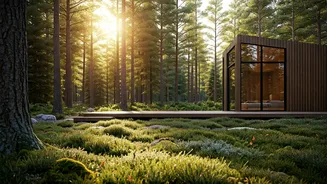
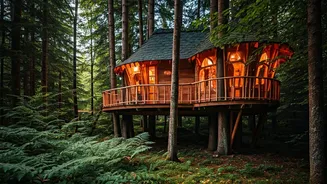
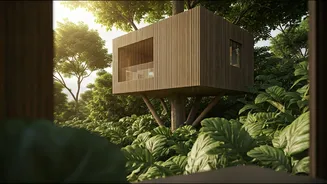
Enter the treehouse. And the A-frame cabin, the geodesic dome, the converted shipping container, and the luxury yurt. Platforms like Airbnb and Vrbo have fueled this trend by creating entire categories for these “unique stays.” An Airbnb report from a few years ago highlighted that searches for unique homes had skyrocketed, showing a clear shift in consumer demand. This isn't just about quirky architecture; it’s about a fundamental change in what we want from our time off. After years of being hyper-connected and often confined, travelers are seeking privacy, nature, and a sense of seclusion without sacrificing comfort. A treehouse offers a powerful combination of childhood wonder and adult comfort. It’s inherently disconnected from the corporate uniformity of a hotel chain, promising a one-of-a-kind experience rooted in its specific location.
Redefining Vacation 'Luxury'
The definition of luxury is expanding. While five-star service and high-thread-count sheets still have their place, a new kind of luxury is emerging, one centered on experience rather than opulence. Today, luxury might be the sound of silence, broken only by birdsong. It might be an outdoor bathtub with an uninterrupted view of the stars, or the simple joy of waking up surrounded by trees. This new luxury is about privacy, authenticity, and a direct connection to the natural world. It’s less about being served and more about being immersed. People are willing to pay a premium not for a bigger suite, but for a more profound experience. The generic resort promises to remove all friction from your vacation; the unique stay promises to give you a story worth telling.
The Post-Pandemic Effect
While this trend was budding before 2020, the pandemic acted as a powerful accelerant. Lockdowns and social distancing left people craving space, fresh air, and destinations they could drive to. The idea of crowding into a resort lobby or sharing a pool with hundreds of strangers lost its appeal. Instead, a private cabin in the woods or a secluded dome in the desert became the ideal getaway. This forced recalibration of travel habits had a lasting effect. People discovered the joy of slower, more intentional travel. They reconnected with nature and found that a quiet weekend in a unique rental could be more restorative than a frantic week at a mega-resort. The hospitality industry is taking note, with even major hotel brands now experimenting with smaller, boutique, nature-forward properties to capture this evolving market.