

The Setting: India's Moody, Majestic East
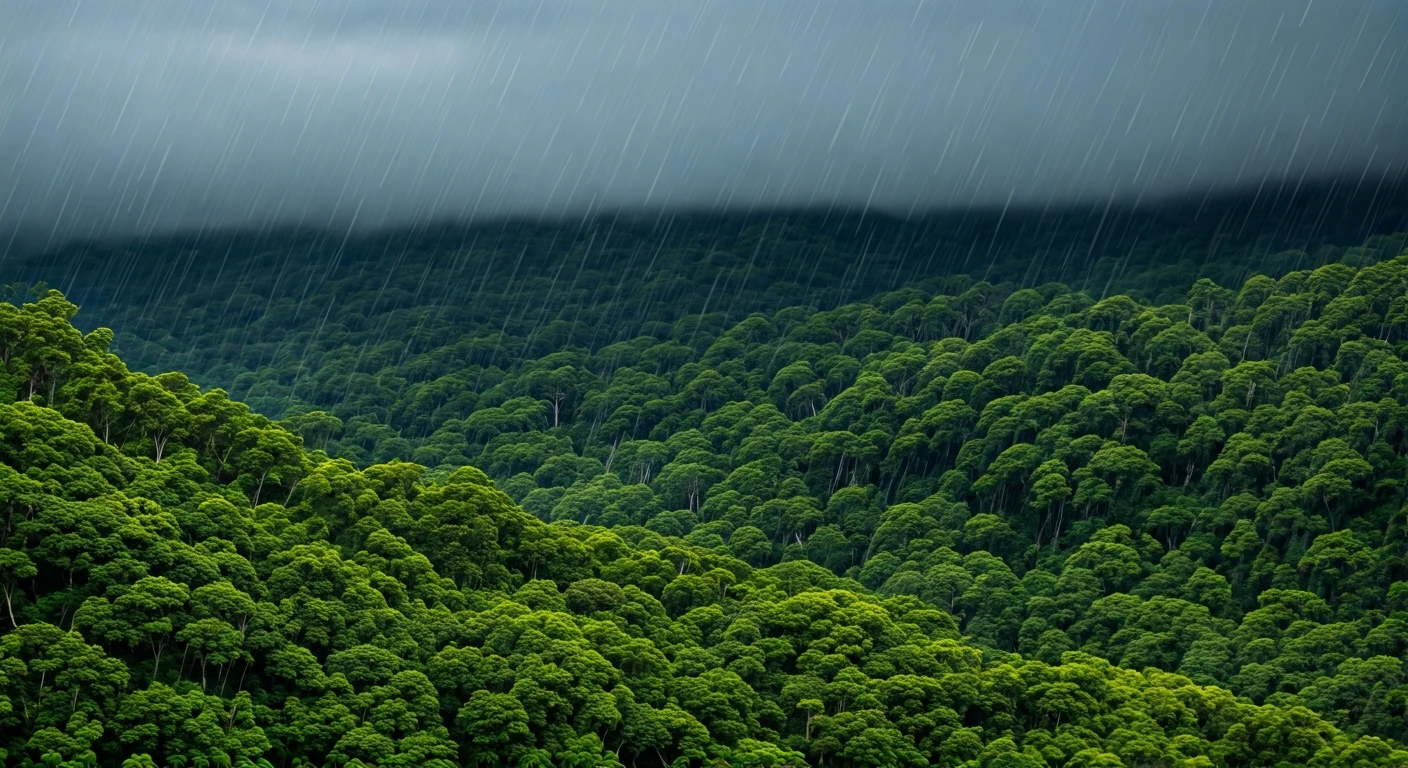
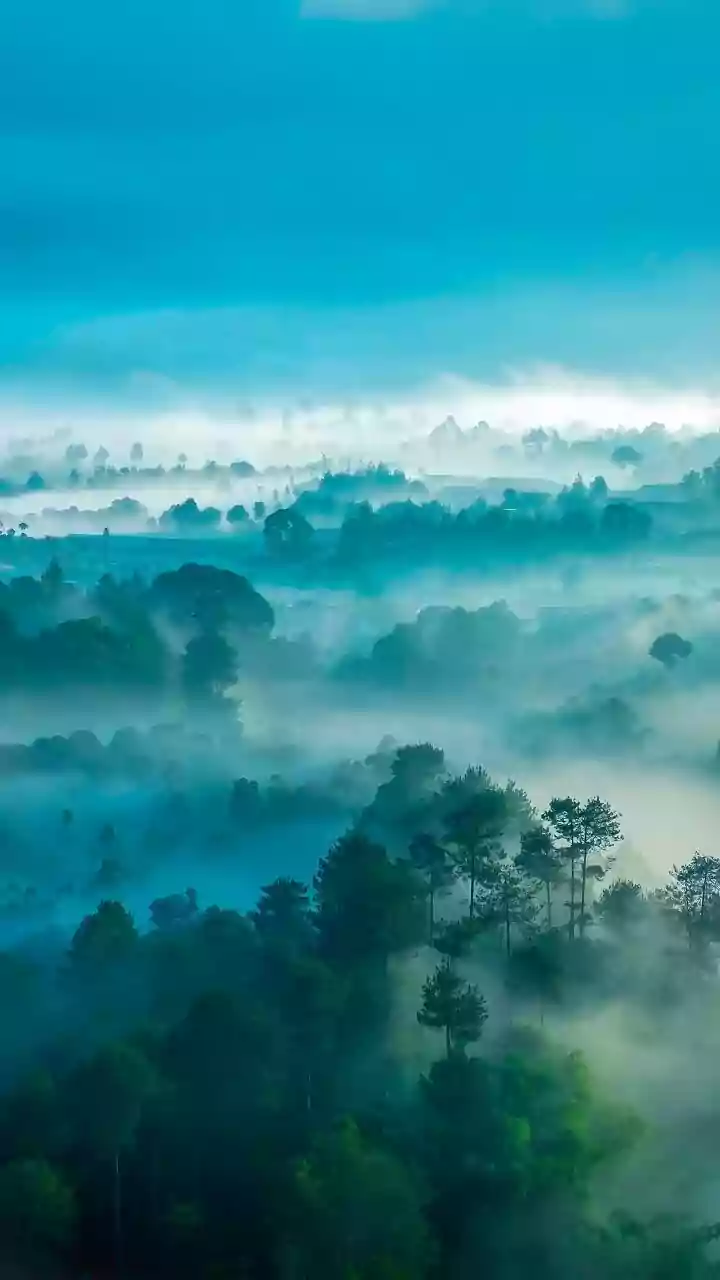
For most Americans, the idea of traveling to India during the monsoon seems counterintuitive. But in Meghalaya, a state in the country's northeast corner, the rain isn't an inconvenience; it's the main event. Known as the "abode of the clouds," this region
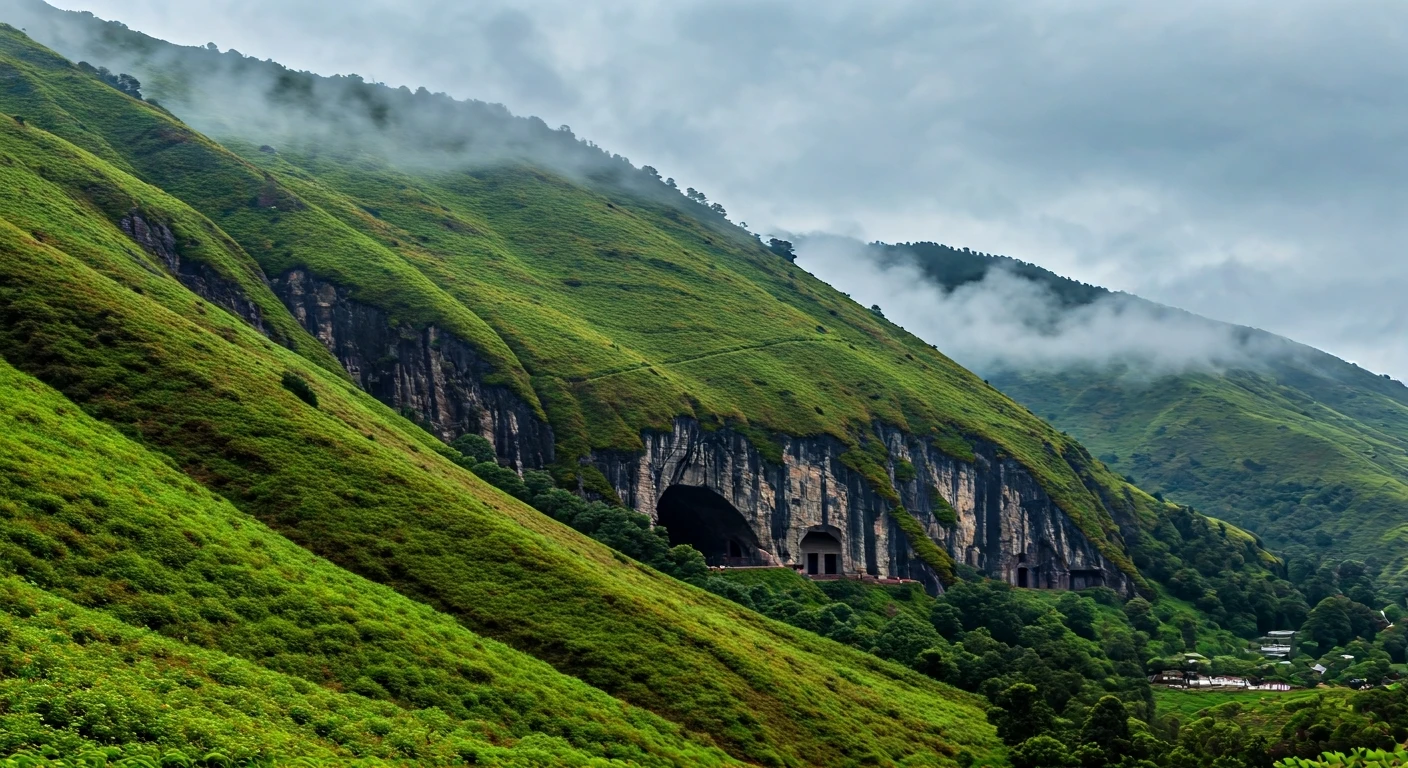
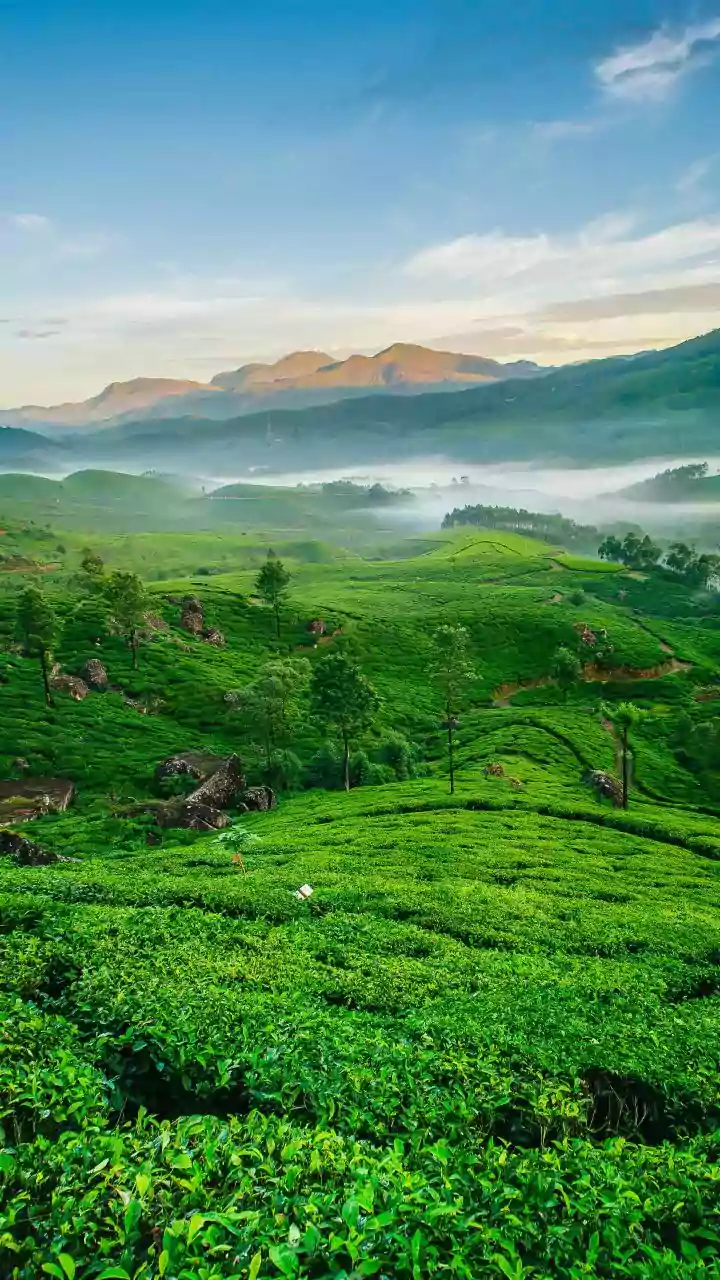
is one of the wettest places on Earth. Its capital, Shillong, a former British hill station often called the "Scotland of the East," transforms under the gray skies. The colonial-era architecture, winding roads, and pine forests take on a moody, atmospheric quality straight out of a Brontë novel. The air grows cool, cafes fill with the scent of hot tea, and the entire landscape turns a thousand shades of electric green. This isn't a trip for seeking sunshine; it's for embracing atmosphere.
The Descent: Uncovering Subterranean Secrets
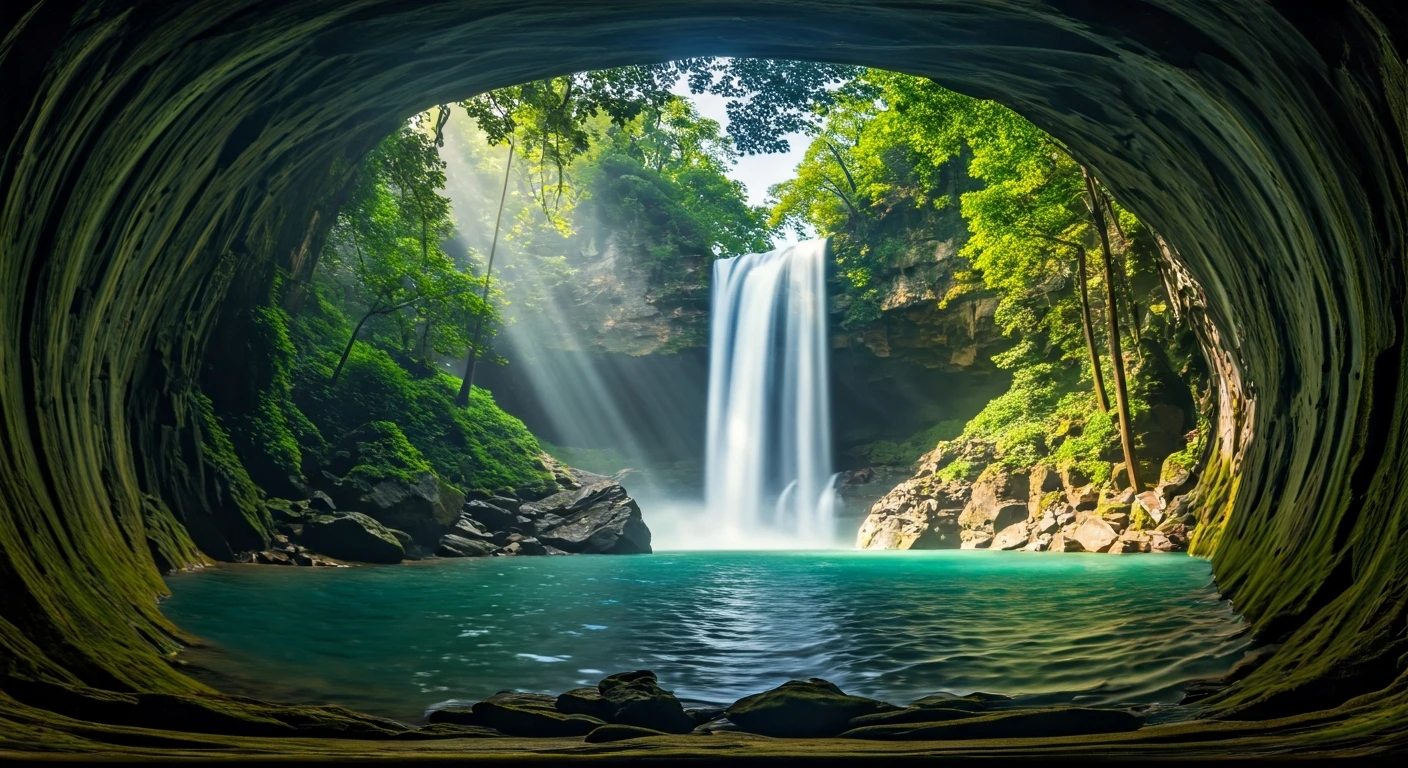
The real plot twist in a Meghalayan monsoon adventure lies beneath the surface. The state is riddled with one of the most extensive and complex cave systems in Asia, and the rain adds a layer of mystery and life to these subterranean worlds. Your first chapter might be Mawsmai Cave. It’s well-lit and accessible, a perfect introduction to the world of stalactites and stalagmites. You’ll walk through grand chambers, the sound of dripping water echoing around you, as mineral-rich water continues its millennia-long work of sculpting the limestone. For a more intense subplot, the Arwah Cave offers a darker, more thrilling exploration. Armed with a headlamp, you’ll navigate passages that reveal ancient marine fossils embedded in the walls—a tangible connection to a time when these mountains were under the sea. Exploring these caves feels like a journey to the center of the earth, a descent into the planet’s memory.
The Climax: Waterfalls and Living Bridges
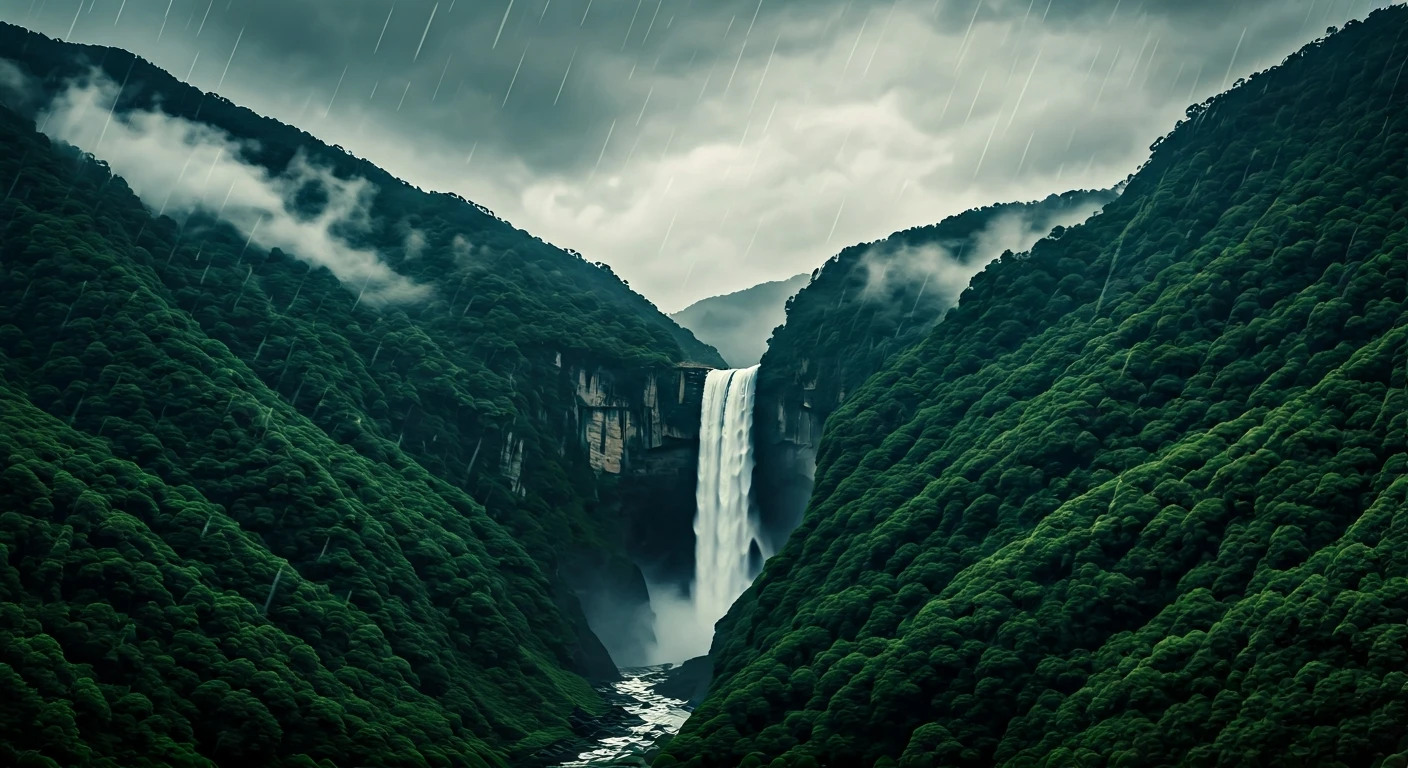
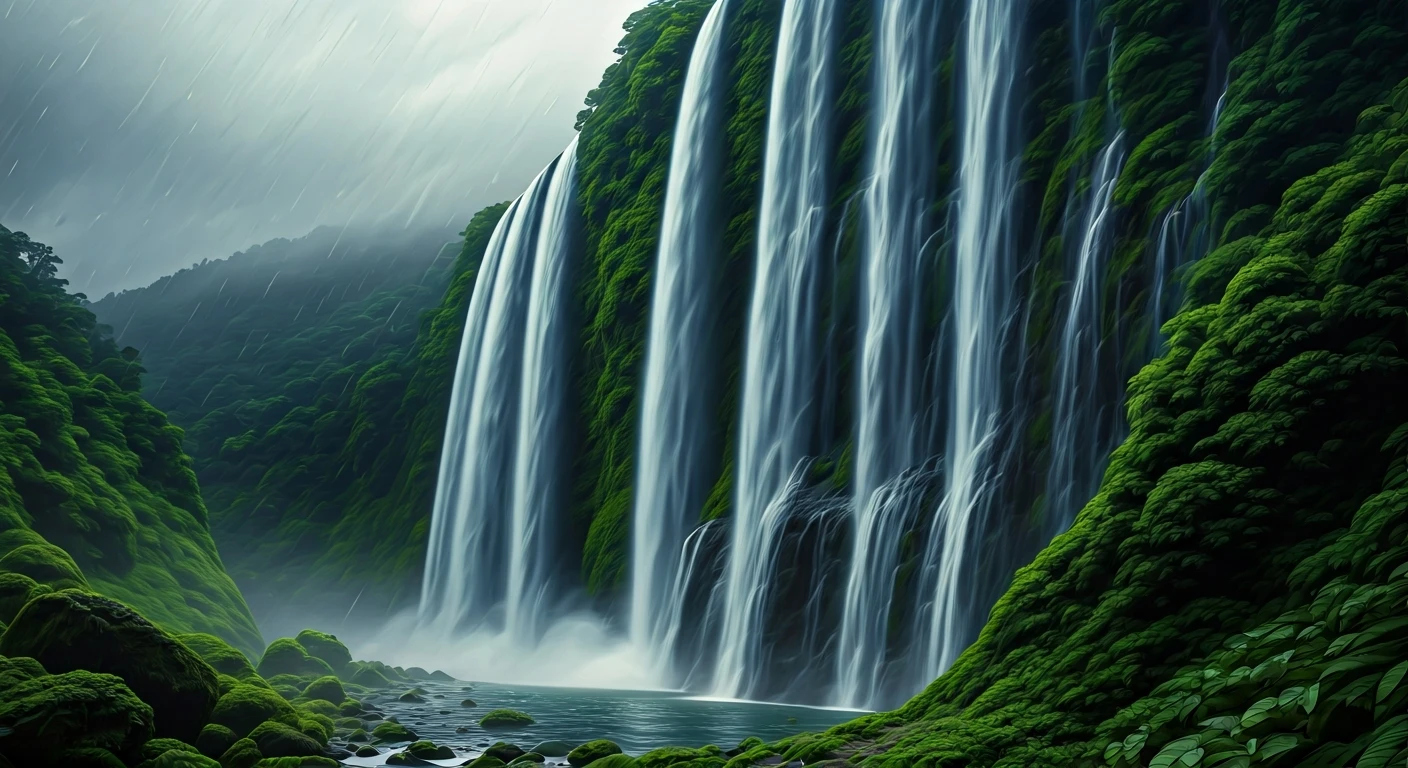
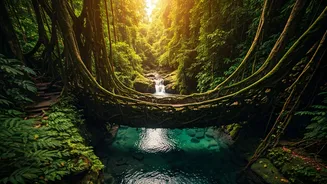
Every good story needs a powerful climax, and in Meghalaya, the monsoon provides it in the form of water. The gentle rains and persistent mists feed the region’s waterfalls, transforming them from trickles into roaring, magnificent cascades. Near the town of Cherrapunji, once the record-holder for the wettest place on Earth, you can witness the Seven Sisters Falls or the towering Nohkalikai Falls plunging dramatically from cloud-wreathed cliffs. But perhaps the most enchanting element of this narrative landscape is the living root bridges. For centuries, the indigenous Khasi people have guided the aerial roots of rubber trees across rivers, weaving them into sturdy, living structures that grow stronger over time. Walking across one of these ancient, moss-covered bridges, with a rain-swollen river rushing below, is an experience of profound, symbiotic beauty—a testament to nature and human ingenuity working in perfect harmony.
The Epilogue: Planning Your Narrative
Crafting your own Shillong story is more straightforward than it sounds. The journey typically begins with a flight to Guwahati in the neighboring state of Assam, followed by a scenic three-hour drive up into the hills of Meghalaya. While the monsoon officially runs from June to September, visiting at the beginning or end of the season (early June or late September) often provides the perfect balance of dramatic rain and clearer spells for exploration. Pack light, but pack smart: waterproof jackets, sturdy non-slip shoes, and quick-drying clothes are essential. Most importantly, bring a sense of patience and wonder. This is a corner of the world that rewards slow travel and an appreciation for nature's grand, unfolding drama.