


The Great Transformation
Imagine a landscape baked and dusty under a relentless summer sun. Then, sometime in June, the sky breaks. The first fat drops of rain hit the parched earth, releasing a scent so potent it has its own name: petrichor. This is the arrival of the monsoon
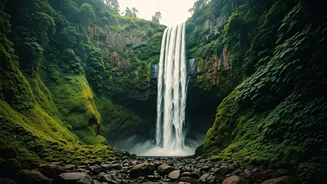
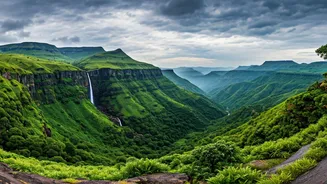
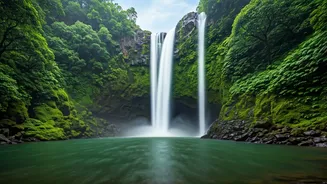
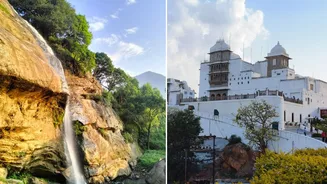
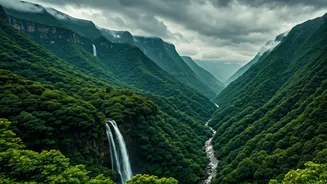
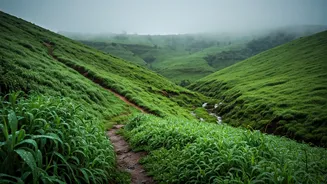
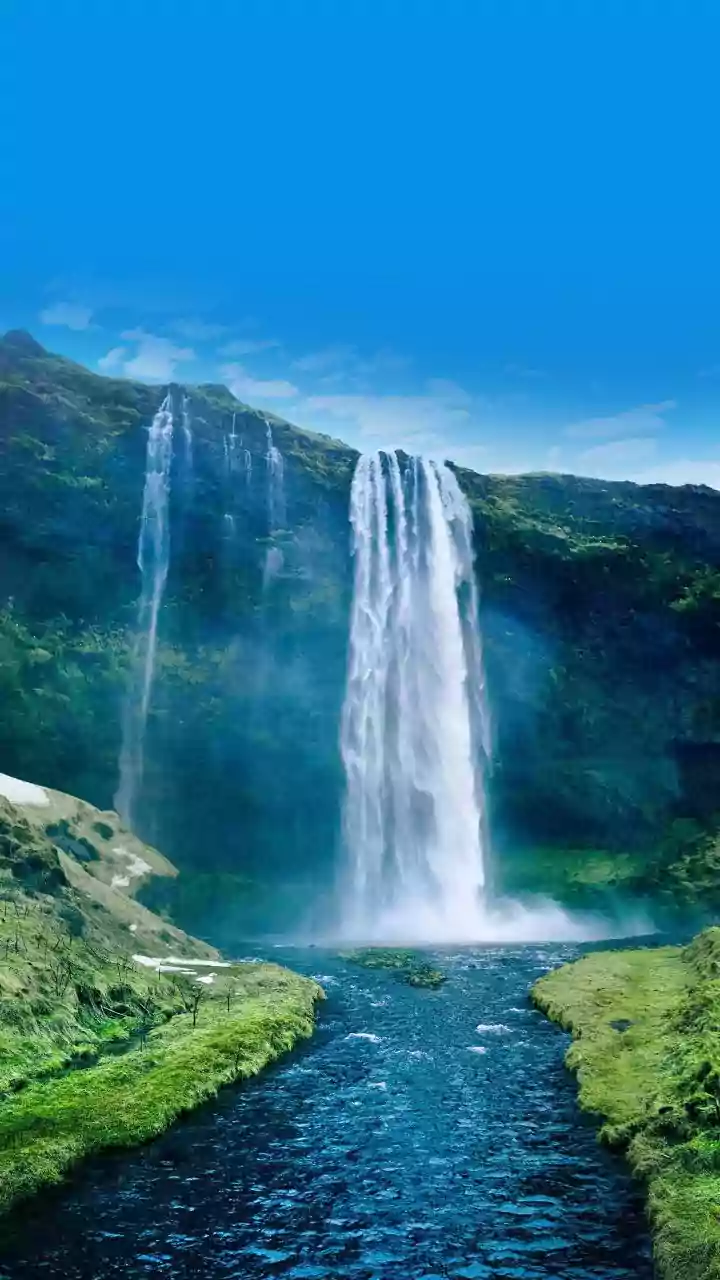
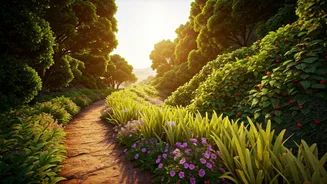
in Maharashtra, a state on India’s west coast that’s home to the bustling metropolis of Mumbai. For the next four months, this seasonal weather pattern isn't just a meteorological event; it's a cultural season that dictates the pulse of life. The oppressive heat gives way to a dramatic cool-down. Hills and mountains that were brown and barren explode into an almost fluorescent green. Waterfalls, non-existent just weeks before, suddenly cascade down rocky cliffs. The entire sensory experience of the region changes, from the smell of wet soil to the constant, soothing sound of rainfall.
Gridlock and Getaways
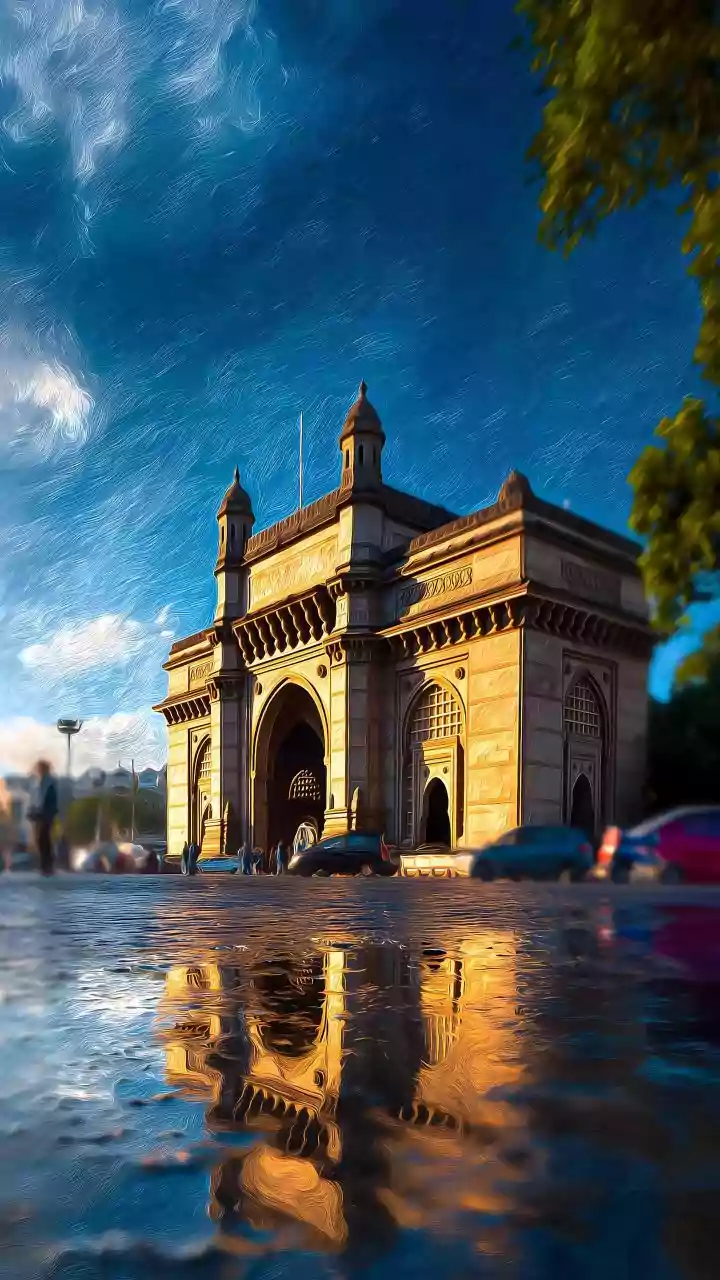
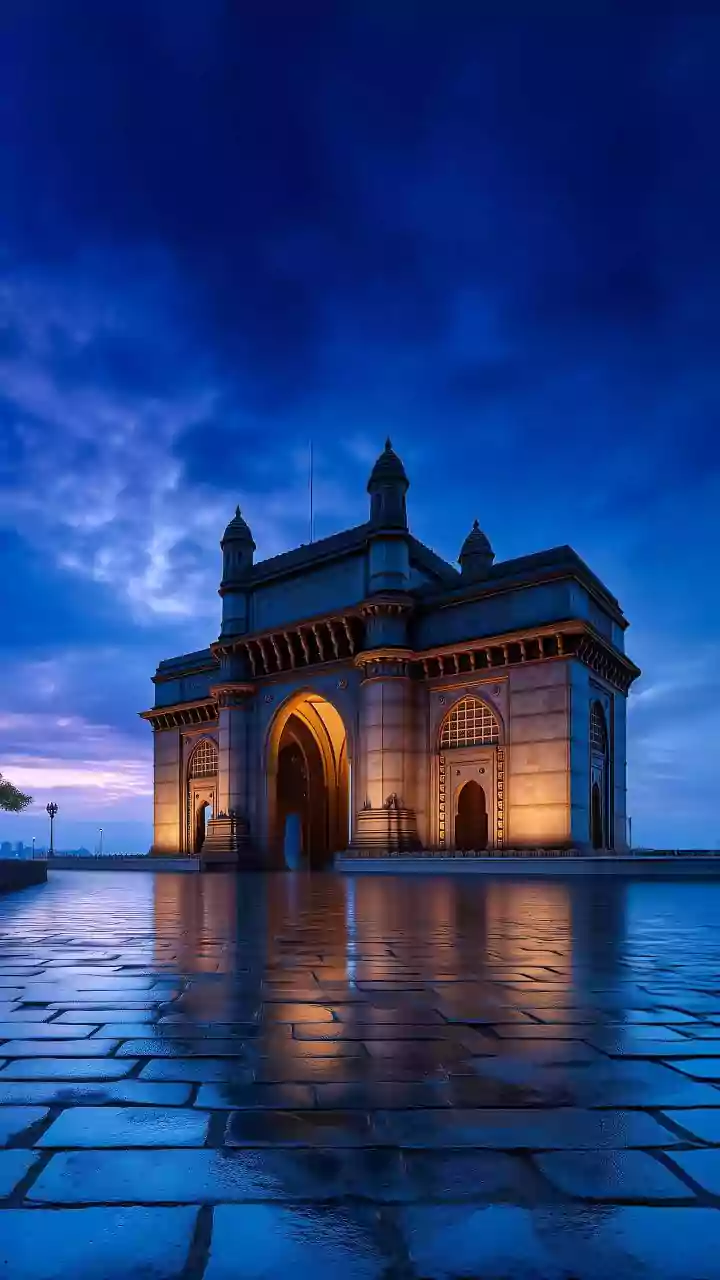
Nowhere is the monsoon's dual personality more apparent than in Mumbai. The torrential downpours can bring the city of 20 million to a standstill. Streets flood, local train lines—the city’s lifeline—are delayed, and the infamous traffic becomes even more snarled. From a purely practical standpoint, it can be a frustrating, chaotic time. Yet, this very chaos fuels a deep-seated desire for escape. As the city grapples with the deluge, its residents turn their gaze outward, toward the newly verdant Western Ghats, a mountain range that runs parallel to the coast. The weekend, which in other climates might be for city parks or outdoor cafes, becomes a precious window for a specific kind of pilgrimage: the monsoon road trip.
The Rituals of Rain
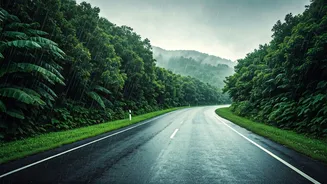
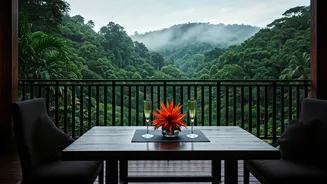
This is where the "mood" truly takes over. Weekend plans become less about a fixed destination and more about a set of cherished rituals. The goal is often a drive to nearby hill stations like Lonavala or along winding mountain roads known as 'ghats'. The journey itself is the main event. Car windows are rolled down just enough to let in the cool, misty air without getting soaked, while a carefully curated playlist sets the tone. The essential culinary accompaniment is a steaming cup of masala chai (spiced tea) paired with hot, crispy pakoras (deep-fried vegetable fritters), often sold at rustic roadside stalls with breathtaking valley views. It’s a simple pleasure elevated to an art form. Families and friends will drive for hours simply to stand near a roaring waterfall, get drenched, and then warm up with this iconic snack. It’s a multisensory experience that connects people to the season and to each other.
A Different Kind of Plan
What the monsoon truly teaches is the art of flexibility. An American approach to weekend planning often involves firm reservations and a tight itinerary. The monsoon makes that impossible. A road might be blocked by a small landslide, a planned scenic point might be completely fogged in, or a favorite eatery might be unreachable. And that’s perfectly okay. Instead of rigid schedules, people operate on a looser, more spontaneous framework. The plan is simply 'to go.' If one route is blocked, you find another. If one spot is too crowded, you discover a new, quieter one. It’s a collective agreement to surrender to the elements. This mindset shift is the core of the 'monsoon mood'—an acceptance that nature is in charge, and the best way to enjoy it is to go with its flow, quite literally. This adaptability turns potential frustrations into adventures and makes every weekend outing unique.