

The Ghost of Veggies Past
For decades, the vegetarian option on most American menus was a culinary apology. It was the pasta primavera swimming in bland cream sauce, the uninspired salad with tired iceberg lettuce, or the dreaded “steamed vegetable plate”—a joyless pile of broccoli,
carrots, and cauliflower that screamed “obligation.” This was side-character food, a dish designed not to be desired but to simply exist for the one person in the group who didn’t eat meat. It was a nutritional box to be checked, rarely a creative statement. Dining out as a vegetarian often meant accepting a meal that the kitchen clearly spent less than five minutes thinking about. The result was a dining experience that felt secondary, a compromise rather than a choice.
The Main Character Energy Shift
So, what changed? A perfect storm of cultural and culinary forces. First, diners themselves began demanding more. Driven by concerns for health, sustainability, and animal welfare, a growing number of Americans—not just strict vegetarians—started looking for plant-centric meals. They didn't want to sacrifice flavor or excitement just because they were skipping the steak. This created a market opportunity for restaurants to do better. Simultaneously, a new generation of chefs stopped seeing vegetables as a limitation and started viewing them as a canvas. They realized that a carrot or a cabbage holds just as much potential for complexity and deliciousness as a piece of fish or a cut of beef. This wasn't about substitution; it was about inspiration. The challenge became: how can I make this beet as compelling as a burger?
It’s All in the Technique
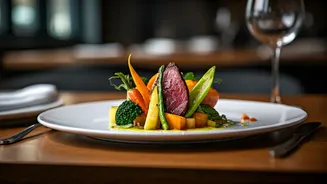
The secret to this vegetable renaissance isn't just about using better produce; it’s about applying serious culinary technique. Chefs are now giving vegetables the same respect and labor-intensive preparations once reserved for proteins. We’re seeing carrots slow-roasted for hours until they become sweet and tender, then served like a filet. Cabbage is being charred on the grill, slathered in miso butter, and served by the wedge as a hearty, smoky main. Beets are being salt-baked, thinly sliced for tartare, or even dry-aged to concentrate their flavor. Techniques like fermenting, pickling, and smoking are used to build layers of umami and complexity. Think celery root shawarma, mushroom bolognese that rivals any meat-based version, and whole roasted cauliflower with tahini and herbs that becomes the centerpiece of the table. These dishes aren't just 'good for a vegetable'; they are simply great food, period.
Beyond the 'Vegetarian' Menu
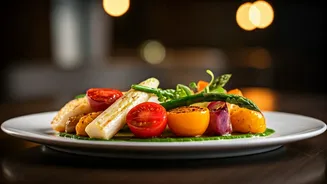
Perhaps the most telling sign of this shift is a structural one: the slow disappearance of the dedicated “Vegetarian” section on menus. Instead of being cordoned off, these sophisticated vegetable dishes are now integrated directly among the meat and fish entrees. A charred broccoli dish might sit right next to the seared scallops, and a wild mushroom tart could be listed just above the pork chop. This confident placement sends a clear message: this is not a lesser option. It signals that these plates are designed for everyone, from the devout vegan to the curious carnivore who just wants to try something incredible. It reframes the choice from “meat vs. non-meat” to a simpler, more appealing question: “What sounds most delicious tonight?”