



The End of the Carb Scare
Remember the era of lettuce-wrapped burgers and cauliflower-everything? The low-carb craze, from Atkins to Keto, successfully painted all carbohydrates with the same broad, villainous brush. The message was simple: grains make you sluggish, heavy, and unhealthy.
For a while, ditching them entirely felt like the peak of dietary discipline. But that all-or-nothing approach is starting to feel dated. Nutrition science, and a general cultural exhaustion with restrictive eating, has paved the way for a more nuanced conversation. We’re moving beyond a simple fear of carbs and into a sophisticated appreciation for their quality. It’s no longer about *if* you eat grains, but *which* grains you eat. The conversation has shifted from deprivation to intentional, informed choices.
So, What Are 'Better Grains'?
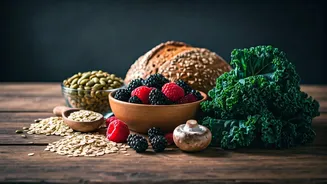
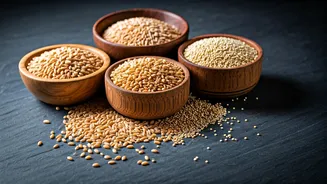
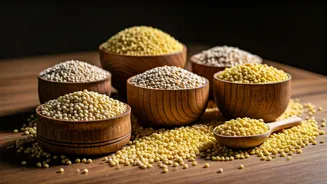
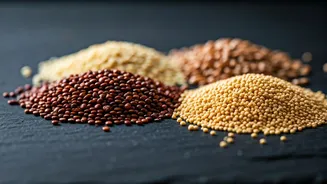
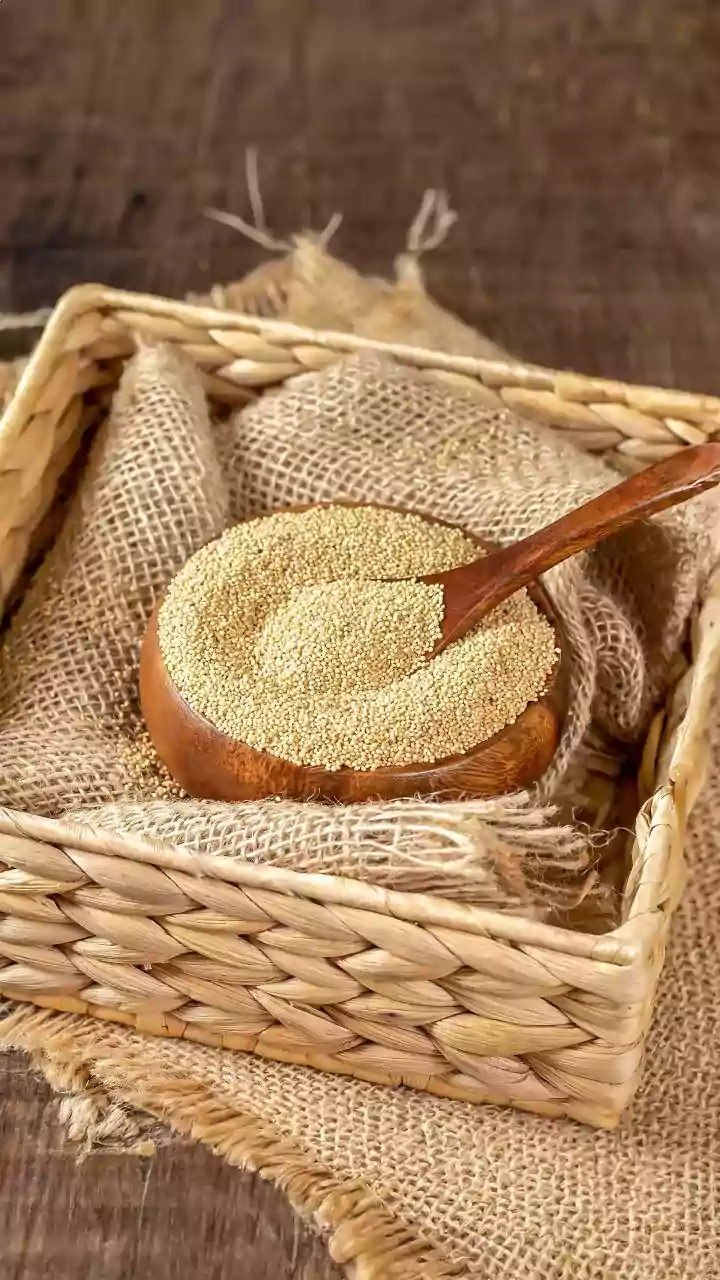
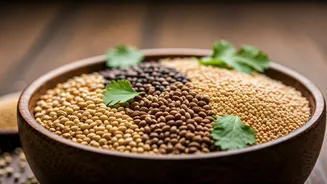
When we talk about “better grains,” we’re not talking about the hyper-processed, bleached white flour that forms the basis of most packaged snacks and commercial breads. We’re talking about grains in their more powerful, nutrient-intact forms. This category broadly includes: * **Whole Grains:** These are grains where all three parts of the kernel—the bran, germ, and endosperm—are present. Think brown rice, oats, quinoa, and products made from 100% whole wheat. * **Ancient Grains:** A loosely defined group of grains that have been cultivated for centuries with minimal selective breeding. This includes superstars like farro, spelt, amaranth, freekeh, and teff. They often boast unique, earthy flavors and robust nutritional profiles. * **Sprouted Grains:** These are whole grains that have been allowed to germinate, or sprout, before being processed. This process can unlock more nutrients, making them easier to digest and potentially increasing the bioavailability of vitamins and minerals.
The Nutritional Powerhouse
The difference between a slice of pillowy white bread and a bowl of chewy farro is staggering. Refined grains have been stripped of their bran and germ, which unfortunately removes most of the fiber, protein, and micronutrients like B vitamins, iron, and magnesium. What’s left is mostly starchy endosperm, which your body digests quickly, leading to the infamous blood sugar spike and subsequent crash that leaves you feeling hungry and tired an hour later. Better grains, on the other hand, are nutritional workhorses. Their high fiber content slows digestion, promoting a feeling of fullness (satiety) that helps manage weight and curb cravings. This fiber also acts as a prebiotic, feeding the beneficial bacteria in your gut, which is crucial for everything from digestion to immune function. The combination of fiber and protein provides a slow, steady release of energy, keeping you fueled and focused without the dramatic highs and lows.
How to Make the Switch
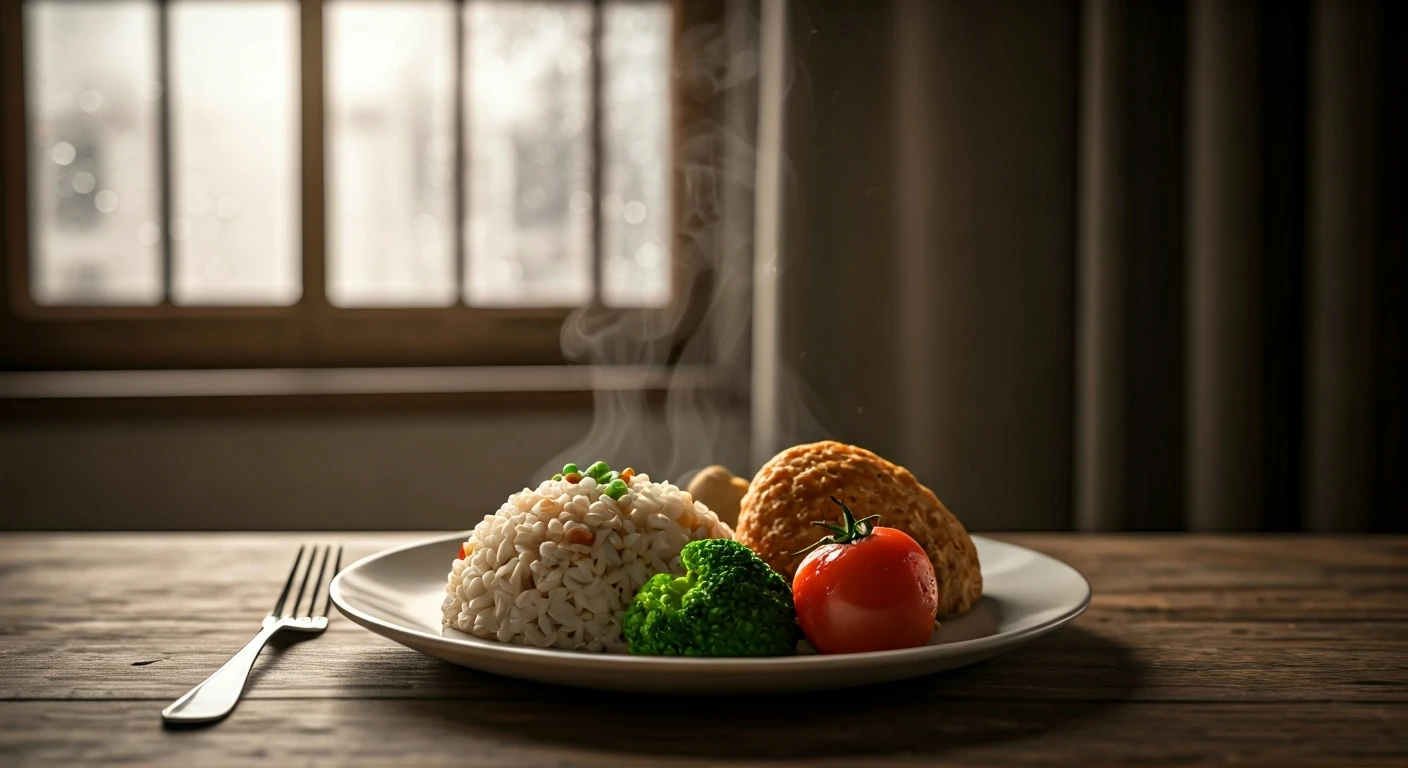
Incorporating better grains isn’t about undertaking a radical diet overhaul. It’s about making simple, delicious upgrades. The goal is to add texture, flavor, and nutrition, not to punish yourself. Start small: * **Swap Your Base:** Instead of white rice, try quinoa or freekeh as a side dish or the foundation for a grain bowl. * **Rethink Salads:** Add a scoop of cooked and cooled farro or barley to your next salad for a satisfying chew and extra protein. It makes a salad feel like a complete meal. * **Upgrade Your Breakfast:** Move beyond sugary cereals. A bowl of oatmeal made with rolled oats and topped with fruit and nuts is a classic for a reason. For something different, try a savory porridge made from amaranth or millet. * **Be a Smart Bread Shopper:** Read labels. Look for bread that lists “100% whole wheat” or “sprouted whole grains” as the first ingredient. A brown color doesn’t always mean it’s whole grain; molasses is often used for coloring.
The Real Wellness Flex
In a world saturated with expensive powders, extreme detoxes, and complicated bio-hacking protocols, choosing to eat a simple bowl of well-cooked grains is a quiet rebellion. It’s a move away from the performative, often punishing, aspects of modern wellness and a return to food that is both nourishing and deeply satisfying. The real flex isn’t having the willpower to say no to all carbs. It’s having the knowledge to choose the right ones. It's about understanding that a hearty slice of seeded, sprouted grain toast slathered with avocado is not a dietary failure, but a smart, delicious, and deeply nourishing choice. This is the new wellness status symbol: not restriction, but educated, joyful inclusion.