




A National Sensory Event
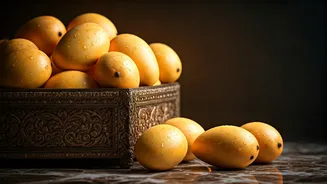
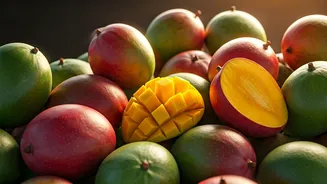
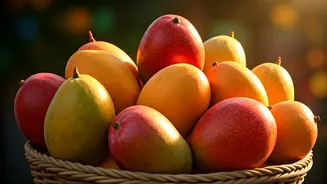
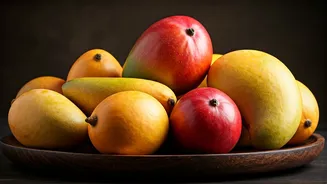
Imagine a wave of fragrance washing over a country of 1.4 billion people. From April through July, India is in the grip of mango fever. Street corners erupt with pyramids of green, yellow, and blush-pink fruit. The air in bustling markets grows thick
and sweet with their scent. Newspapers run daily reports on market prices and the arrival of specific regional varieties as if they were stock market tickers or sports scores. It’s a time of joy, gluttony, and intense debate: which mango is truly the best? For a few short months, the mango is not just a fruit; it’s the center of conversation, the reason for family gatherings, and a symbol of summer itself.
The Undisputed King: Alphonso
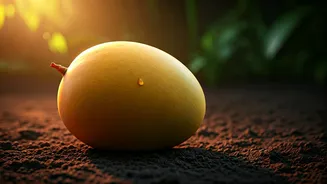
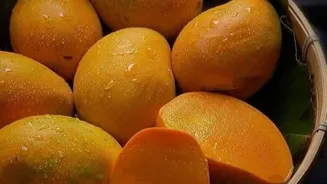
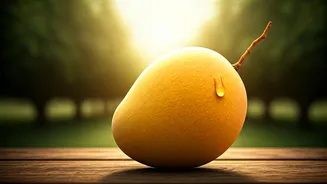
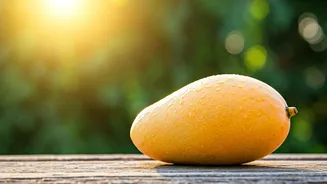
If Indian mangoes have a royal family, the Alphonso is the undisputed king. Grown primarily in the coastal Konkan region of western India, the Alphonso, or ‘Hapus’ as it’s known locally, is a thing of legend. With its vibrant saffron-colored flesh, non-fibrous texture, and a complex flavor that blends notes of honey, citrus, and peach, it commands devotion and a premium price. The first box of Alphonsos of the season is a celebrated event. These mangoes are so prized that they are often given as prestigious gifts to business partners, respected elders, and loved ones. For many, the taste of a perfect Alphonso is the taste of pure happiness, a benchmark against which all other fruits are measured.
A Royal Court of Rivals
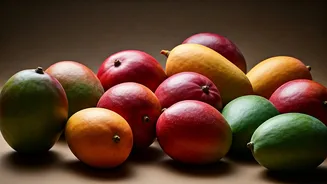
But to focus only on the Alphonso would be to miss the glorious diversity of India’s mango landscape. The country boasts over 1,500 varieties, each with its own loyal fanbase. From Gujarat comes the Kesar, or ‘Gir Kesar’, named for its saffron-like color and intense aroma, perfect for making the thick mango pulp drink known as aamras. Northern India swoons for the Dasheri, a smaller, fiberless mango with a super-sweet, nectar-like flavor profile. The Langra, from Varanasi, is famous for its greenish skin (even when ripe) and its slightly tart, tangy taste. There’s the enormous, sweet Chaunsa from the north and the uniquely shaped, parrot-beak Totapuri from the south. This regional pride fuels friendly but fierce rivalries, with families passionately defending their hometown favorite.
More Than Just a Food
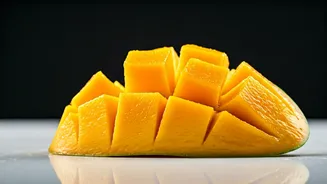
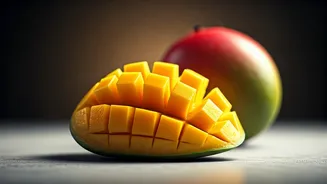
The cultural significance of the mango runs deep. This isn’t a fruit you politely slice with a fork and knife. Mango season is a hands-on, messy, and joyous affair. Families will buy entire crates and gather together for mango-eating sessions. There are specific, time-honored techniques for eating them—some squeeze the fruit until the pulp inside is liquid, then snip off the top to drink the juice directly. Others master the “hedgehog” cut, scoring the flesh into cubes that pop outward from the skin. Beyond the home, the mango permeates every aspect of summer cuisine. It’s found in cooling lassi drinks, spicy pickles (achar), tangy curries, and decadent desserts. The season is a celebration of abundance, a sensory memory that connects generations.
Finding a Taste in the U.S.
While experiencing the full-blown frenzy requires a trip to India, Americans aren't entirely left out. Thanks to improved import regulations, fresh Indian mangoes, especially Alphonso and Kesar, have begun appearing in specialty and Indian grocery stores across the U.S. during the spring and summer. They are a pricey indulgence, but for those chasing an authentic taste, they’re worth the hunt. For a more accessible option, look for canned mango pulp from brands like Ratna or Swad, often specifying the variety (Alphonso pulp is considered the gold standard). This pulp is the secret ingredient for making restaurant-quality mango lassi or aamras at home, offering a delicious portal into India's favorite season.