


The Rise of the Blank Canvas
For decades, the mark of “fine” china was intricate patterns, gilded edges, and bold floral designs. Your grandmother’s formal dining set was likely a testament to this ‘more is more’ philosophy. But a quiet revolution has been happening in our cabinets
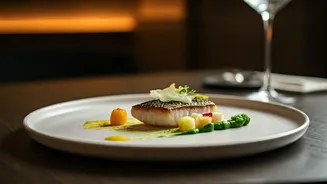
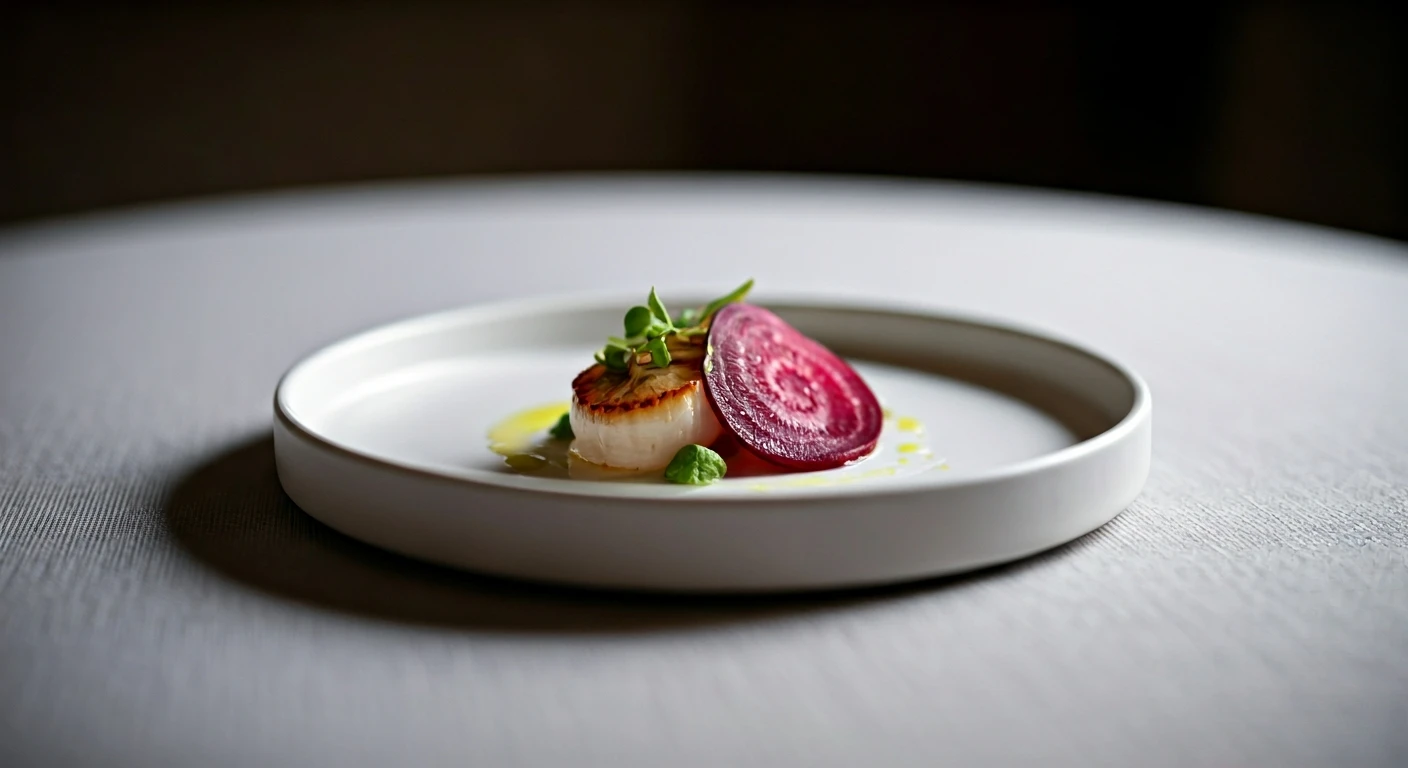
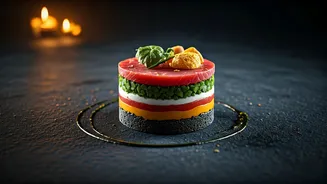
and on restaurant tables. The new status symbol in tableware isn't complexity, but a radical, confident simplicity. Think matte glazes in earthy tones like charcoal, stone, and sand. Picture plates with subtle, organic shapes that feel handmade, or stark white porcelain that acts like a gallery wall for food. This isn't about boring plates; it's about intentional ones. They are designed to be the supporting actor, not the star, creating a backdrop that makes every color, texture, and component of the dish in front of you sing.
Driven by the Instagram Effect
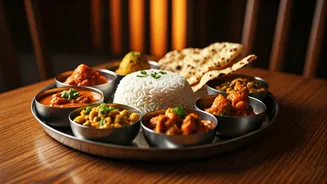
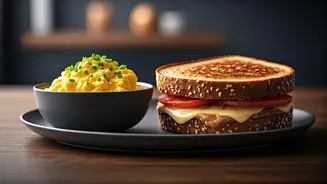
You can’t talk about food trends today without talking about social media. Instagram, Pinterest, and TikTok have turned every diner into a potential food photographer and every home cook into a content creator. In this visual-first world, clarity is king. A busy, patterned plate competes with the food, creating visual noise that makes a dish look cluttered and unappealing in a photo. A simple, neutral plate, however, does the opposite. It provides contrast, making the vibrant green of fresh herbs, the deep red of a beet puree, or the perfect sear on a scallop pop. Restaurants know this. A dish that photographs well is a dish that gets shared, becoming free marketing. Home cooks have caught on, too, realizing that upgrading their plating is the fastest way to make their food look as good as it tastes.
A Philosophy Borrowed From Chefs
This trend didn't bubble up from nowhere; it trickled down from the world’s best kitchens. For years, top chefs have favored what they call a “blank canvas.” They see the plate as a frame for their art. When you’re working with exceptional ingredients and spending hours on complex techniques, the last thing you want is for your work to be upstaged by a picture of a pheasant on the plate. Influential culinary movements, like the New Nordic cuisine popularized by restaurants such as Noma, emphasized naturalism and a deep connection to ingredients. This philosophy extended to the tableware, which often featured rustic, handmade ceramics in muted tones that echoed the natural world. As these chefs gained global acclaim, their aesthetic choices influenced a generation of other chefs, and eventually, the home goods market.
Bringing the Restaurant Experience Home
What was once exclusive to four-star restaurants is now accessible to everyone. Retailers from West Elm and Crate & Barrel to Target have embraced the trend, offering entire collections of minimalist, rustic, and simply styled dinnerware. The rise of direct-to-consumer ceramic brands and the popularity of artisan marketplaces like Etsy mean you can buy unique, handmade pieces that tell a story. This shift is part of a larger movement toward elevating the at-home experience. After years of being encouraged to cook like a chef, we are now being encouraged to plate like one, too. A simple set of beautiful, modern plates is an investment in everyday pleasure, turning a weeknight meal into something that feels just a little more special.
The Psychology of Simple
Ultimately, the appeal of a simple plate goes deeper than just aesthetics. It aligns with broader cultural shifts towards minimalism, mindfulness, and authenticity. In a world of constant overstimulation, a clean, simple plate offers a moment of visual calm. It encourages you to focus on what’s in front of you: the food, the flavors, the textures. There's an honesty to it. A simple plate doesn't hide behind ornamentation; it puts the quality of the cooking front and center. It suggests that the food is good enough to stand on its own, without any help. This quiet confidence is the new luxury, making the plate not just a vessel, but a statement about how we want to eat and live.