



1. Why Petals Over People?
The shift isn't just about pretty flowers; it's a reflection of a deeper change in what we want from our time off. In a post-pandemic world, many travelers are prioritizing mental wellness and restorative experiences over high-energy, socially saturated
trips. The concept of 'overtourism' has made once-desirable beach towns feel more like stressful obligations than relaxing escapes. Fighting for a parking spot, a patch of sand, or a dinner reservation is the opposite of calm. Botanical gardens, expansive flower fields, and curated nature parks offer a compelling antidote: built-in tranquility, natural beauty, and plenty of space to breathe.
2. The Grand Botanical Garden Escape
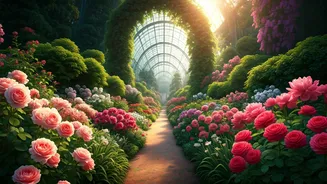
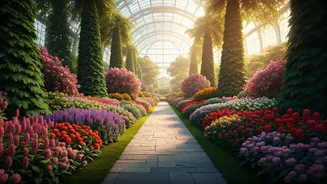
Forget a simple city park. We're talking about sprawling, world-class institutions like Longwood Gardens in Pennsylvania or the Missouri Botanical Garden. These are not just collections of plants; they are living museums designed for strolling, reflection, and discovery. With meticulously planned pathways, stunning conservatory displays, and often a calendar of serene events like light shows or classical music performances, they offer a full day of peaceful engagement. Unlike the unpredictable surf, the beauty here is curated and constant, providing a reliable escape from the noise of daily life.
3. The Ephemeral Thrill of a Flower Festival
For travelers who still want a sense of eventfulness, flower festivals provide a destination-worthy reason to pack a bag. Think of the Holland Tulip Time Festival in Michigan, the Skagit Valley Tulip Festival in Washington, or the National Cherry Blossom Festival in D.C. These events are built around a spectacular, but fleeting, natural phenomenon. This ephemerality adds to the magic and encourages mindful appreciation. While they draw crowds, the focus is on a shared, gentle experience of awe rather than the competitive, party-centric atmosphere of a spring break beach.
4. The Wild, Meditative Superbloom
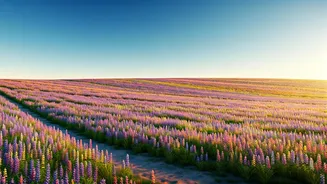
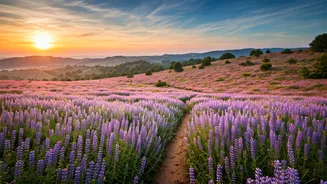
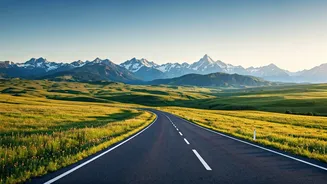
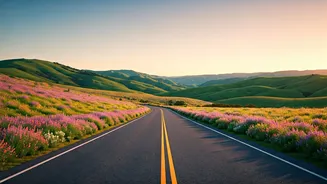
On the opposite end of the spectrum from the manicured garden is the wild superbloom. When conditions are right in places like Anza-Borrego Desert State Park in California or the hills of central Texas, the landscape erupts in a carpet of wildflowers. Seeking out a superbloom is an active pilgrimage that rewards patience and a love for rugged nature. It’s a quiet, almost spiritual experience that connects travelers to vast, open spaces. The goal isn't to be seen, but to simply see—to witness a rare and powerful display of nature's resilience, far from any boardwalk or tiki bar.
5. The Zen of the Japanese Garden
No destination is more intentionally designed for calm than a Japanese garden. Places like the Portland Japanese Garden in Oregon or the Anderson Japanese Gardens in Illinois are masterclasses in tranquility. Every element—the meticulously raked sand, the carefully placed stones, the sound of a bamboo water fountain (a 'shishi-odoshi'), and the pruned pines—is designed to soothe the mind and encourage quiet contemplation. It’s an immersive experience that forces you to slow down and notice the details. An hour here can feel more restorative than a full day fending off rogue frisbees and loud music on a packed beach.