





Defining the 'Hill Homestay'
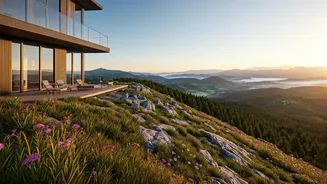
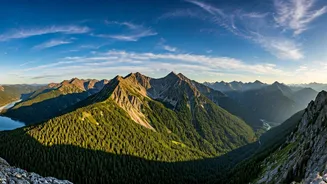
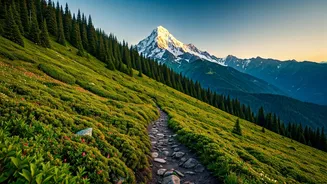
Let’s be clear: a “Hill Homestay” isn’t a formal lodging category you can filter for. It’s a vibe. Think of a thoughtfully designed A-frame cabin in the Catskills, a glass-walled modernist retreat overlooking the Blue Ridge Mountains, or a meticulously
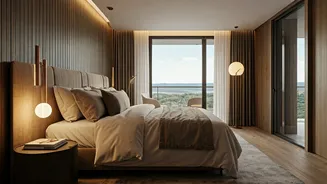
restored farmhouse in Vermont. These aren’t your uncle’s dusty lake house or a bare-bones Airbnb. They are curated, private residences—often rented directly from owners or through high-end platforms—that prioritize aesthetics, comfort, and a seamless connection to their natural surroundings. The key elements are design intentionality, a degree of isolation, and an elevated sense of place. The 'hill' is as much a state of mind as a location; it signifies a retreat from the urban grind into a more serene, controlled environment.
The Rise of the 'Anti-Hotel' Mindset
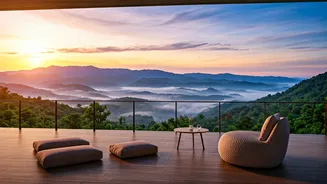
This trend is a direct reaction to the perceived shortcomings of traditional hotels, even luxury ones. The 'anti-hotel' traveler is seeking to escape the very things hotels institutionalize: prescribed meal times, shared spaces with strangers, generic 'Live, Laugh, Love' art, and the subtle pressure to be 'on' all the time. After years of travel being defined by density—crowded lounges, busy pools, packed elevators—the new luxury is space. It’s the freedom to cook a meal at 10 p.m. in a gourmet kitchen, to have your morning coffee on a private deck with no one else in sight, and to control the soundtrack of your vacation, both literally and figuratively. It’s a shift from being a guest in a large, commercial operation to being the temporary master of a unique, personal domain.
What Makes It a 'Flex'?
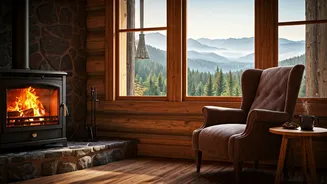
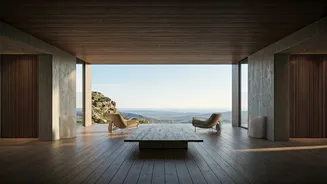
The 'flex' of the hill homestay is more subtle than that of a penthouse suite. It’s not about broadcasting wealth through logos or opulence. Instead, it’s a flex of taste, access, and priorities. Firstly, finding and booking these premium, often-in-demand properties requires a certain level of cultural capital and planning. It says, “I’m in the know.” Secondly, it showcases an appreciation for design and aesthetics—you’re not just paying for a bed, but for an experience curated by an architect or interior designer. The Instagram post from one of these homes isn’t a selfie by the pool; it’s a wide shot of a beautifully appointed living room with a dramatic landscape visible through a floor-to-ceiling window. It communicates a sophisticated, post-materialist value system where the quality of the experience trumps conspicuous consumption.
More Than Just a Pretty Place
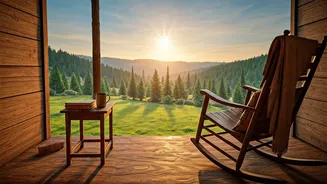
Beyond the aesthetics and the social currency, the appeal of the hill homestay taps into a deeper, post-pandemic desire for connection and control. These spaces are purpose-built for small, intimate gatherings. They offer a private world where you can reconnect with friends or family away from external distractions. This travel style isn't about sightseeing or checking off a list of tourist attractions. The destination *is* the house. The goal is to slow down, settle in, and simply *be*. In a world of constant notifications and demands, the ability to retreat to a beautiful, self-contained sanctuary is perhaps the most valuable amenity of all. It’s less about escaping from your life and more about creating a temporary, idealized version of it.