







Beyond Steak and Shakes
For decades, the unofficial uniform of fitness nutrition was stark and simple: a Tupperware container filled with grilled chicken breast, brown rice, and steamed broccoli. The message was clear: building muscle required large quantities of animal protein,
and culinary enjoyment was a distant second to macronutrient targets. This spartan approach, born from bodybuilding culture, dominated gyms and locker rooms. Eating for fitness was a functional, often joyless, pursuit of fuel. But a significant cultural shift is underway. The old-school protein-at-all-costs mindset is being replaced by a more nuanced, colorful, and conscious approach that’s less about deprivation and more about addition.
So, What Is 'Plant-Forward'?
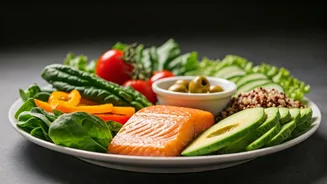
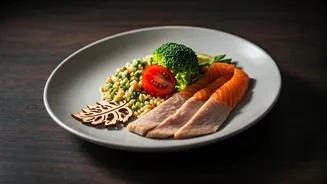
It’s crucial to understand that “plant-forward” is not a new word for vegan or vegetarian. Coined and popularized by organizations like the Culinary Institute of America, the term describes a style of cooking and eating that emphasizes and celebrates plant-based foods, but isn't limited to them. It’s a philosophy of proportion. A plant-forward plate might feature a smaller portion of high-quality fish or chicken, surrounded by a vibrant, substantial array of vegetables, legumes, and whole grains. Or it might be entirely plant-based. The key is the mindset shift: plants are the star of the show, not a forgotten side dish. This flexibility is its superpower, making it accessible to a far broader audience than strict veganism by removing the all-or-nothing pressure.
The Performance and Recovery Angle
The migration of elite athletes toward more plant-centric diets, spotlighted in documentaries like “The Game Changers,” has given the movement serious credibility. While the science is still evolving, many athletes who make the switch report tangible benefits: faster recovery times, reduced inflammation, and more consistent energy levels. The theory is that a diet rich in a wide variety of plant-based micronutrients, antioxidants, and fiber can help the body manage the stress of intense training more effectively than a diet heavy on processed foods and animal products alone. For the serious fitness enthusiast, the promise isn't just about ethics or the environment; it’s about a potential competitive edge. When you can train harder and bounce back faster, your diet becomes a powerful tool in your performance arsenal.
The Ultimate 'Flex' Factor
This is where the “flex” comes in. In a social media-driven world, a plate of chicken and rice is boring. A vibrant, complex, and beautifully composed grain bowl with roasted rainbow carrots, avocado, kimchi, and a sprinkle of seeds is content. It signals sophistication, health literacy, and a commitment to wellness that goes beyond biceps. It says, “I’m not just strong; I’m holistically healthy.” Posting a picture of an elaborate plant-forward meal is a status symbol. It implies you have the knowledge to build a nutritionally complete meal, the time to source and prepare fresh ingredients, and the modern sensibility to care about sustainability and recovery. It’s a subtle brag that you’re on the cutting edge of wellness, far removed from the simplistic protein-loading of the past.