




From Off-Season to Main Attraction
For decades, the standard travel playbook for South Asia was simple: avoid the monsoon at all costs. The annual rainy season, typically stretching from June to September, was seen as a logistical nightmare of flight delays, flooded roads, and unrelenting
downpours. But something has shifted. On Instagram, a different story is unfolding, one filtered through mist-covered tea plantations and the deep, saturated greens of a landscape reborn. Travelers are now flocking to the southwestern Indian state of Kerala not in spite of the rain, but because of it. Known affectionately as “God’s Own Country,” Kerala’s monsoon season is being reframed from a bug to a feature—a deeply atmospheric experience that offers a tranquil alternative to the frenetic energy of peak tourist season. The trend highlights a move toward slower, more contemplative travel, where the destination’s natural rhythm dictates the itinerary.
A World Washed Anew
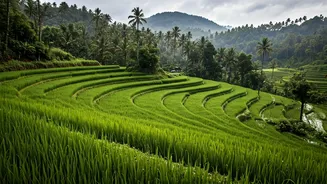
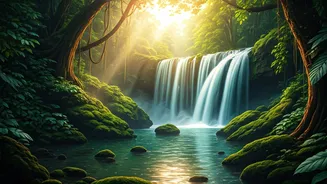
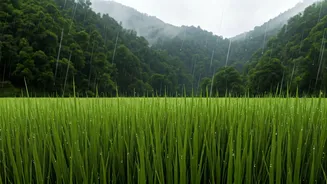
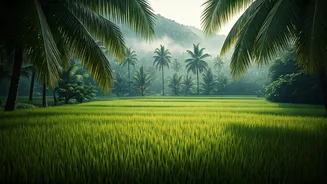
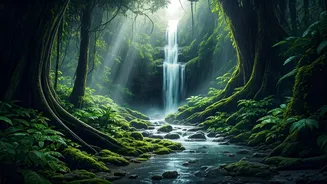
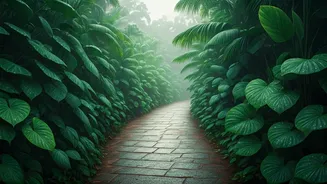
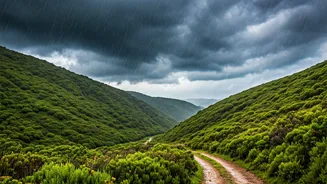
The visual appeal is undeniable. The monsoon transforms Kerala into an artist’s palette of verdant hues. Dust is washed from every leaf, leaving behind a glossy, emerald sheen on the sprawling backwaters, dense jungles, and rolling hills of Munnar's tea country. The landscape doesn’t just get wet; it becomes intensely alive. Waterfalls, once gentle trickles, roar back to life. Rivers swell, and the famous houseboats drift through a world that feels both ancient and freshly painted. For photographers and casual Instagrammers alike, the appeal lies in this dramatic, almost theatrical, display of nature. The soft, diffused light created by the cloud cover is perfect for capturing the moody, romantic essence of the region, free from the harsh glare of the tropical sun. It’s a visual feast that feels a world away from the bright, over-exposed aesthetic of typical beach vacations.
The Soothing Power of Rain
This trend is about more than just pretty pictures; it’s about a sensory reset. The experience is auditory as much as it is visual. Imagine waking up not to an alarm, but to the gentle drumming of rain on a terracotta roof. The monsoon provides a constant, soothing soundtrack, a natural white noise machine that encourages you to slow down. The air itself changes, carrying the rich, earthy scent of petrichor—the smell of rain hitting dry soil. This is the perfect backdrop for activities that have become synonymous with Kerala: curling up in a wicker chair on a covered veranda with a book and a steaming cup of spicy masala chai, or simply watching the rhythmic dance of raindrops on a lotus pond. It’s an enforced state of mindfulness, a forced permission to do nothing but observe and be present.
A Season for Wellness
There’s also a deep-rooted cultural and practical reason why the monsoon is the perfect time to visit Kerala. It’s considered the ideal season for Ayurveda, the ancient Indian system of holistic medicine. According to Ayurvedic principles, the monsoon weather—cool, moist, and dust-free—opens up the body’s pores, making it more receptive to herbal oils and treatments. The mind, already calmed by the weather, is more prepared for meditation and healing. Many travelers come specifically for “Panchakarma,” a multi-day detoxification and rejuvenation program offered at countless resorts and wellness centers, from luxury properties to traditional ashrams. The synergy between the healing environment of the monsoon and the restorative practices of Ayurveda creates a powerful wellness experience that nourishes both body and soul.