


More Than Just Rows of Kale
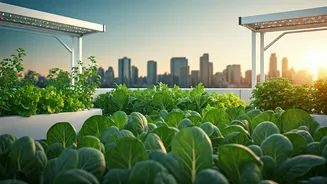
First, let's update our mental image of an urban farm. Forget the simple, fenced-off veggie patch of yesteryear. Today’s most innovative urban agriculture projects are designed as dynamic, multi-use community ecosystems. They’re often integrated into
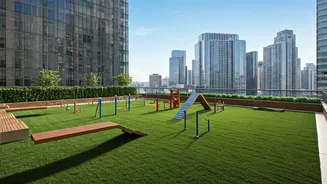
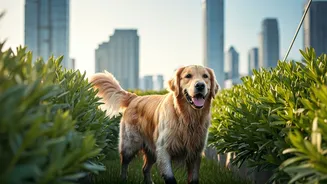
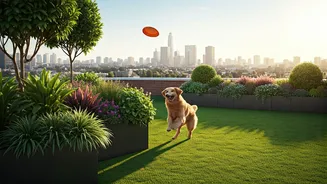
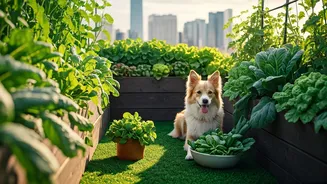
parks, built on rooftops with adjacent lounges, or designed as the central hub of a new residential development. The goal isn't just to grow food; it's to create a 'third place'—a social anchor outside of home and work. This shift in purpose means they are intentionally designed with wider pathways, open lawns, seating areas, and community gathering spots where well-behaved dogs are increasingly welcome. The farm becomes a destination, not just a production site, creating a space where residents can connect with nature and each other, often with their canine companions in tow.
A Buffet for the Senses
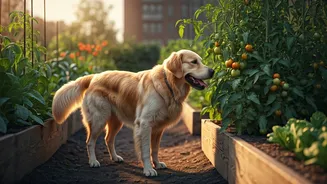
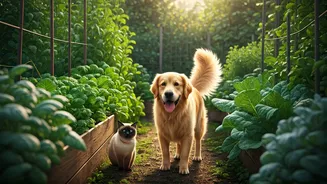
An energetic dog doesn't just need to run; it needs mental stimulation to truly thrive. A sterile dog run offers space but little engagement. An urban farm, on the other hand, is a sensory playground. Think about it from a dog's perspective: a constantly changing world of new smells, from damp earth and composting soil to blooming herbs and ripening vegetables. The varied textures underfoot—grass, wood chips, gravel paths, and raised-bed borders—provide tactile interest. The presence of other people, new sounds, and the occasional squirrel trying to raid a tomato plant all provide a rich tapestry of information for a curious canine brain. This kind of 'scent work' and environmental enrichment is incredibly effective at tiring out a smart, energetic dog, often more so than a monotonous game of fetch. It turns a simple walk into a brain-training adventure.
The Rise of the 'Agrihood'
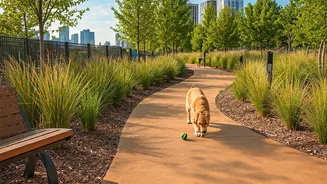
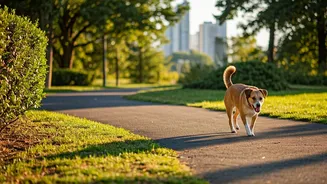
On a larger scale, this trend is being formalized in 'agrihoods'—planned communities built around a working farm. While once a suburban phenomenon, the concept is being adapted for denser urban environments. These developments integrate walking trails, greenbelts, and open spaces directly with the agricultural plots. For residents, this means their daily dog walk can weave through orchards and past vegetable beds. Because these spaces are designed from the ground up for the community's residents, pet-friendly policies are often baked in from the start. Developers recognize that for many modern buyers, access to beautiful, functional green space for themselves and their pets is a primary driver of real estate value. In this model, the farm isn't just an amenity; it's the organizing principle of the neighborhood, ensuring that nature and animal-friendly spaces are a feature, not an afterthought.
Safety in a Contained Environment
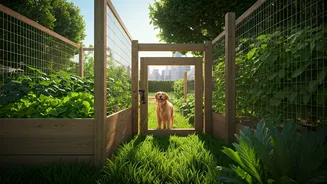
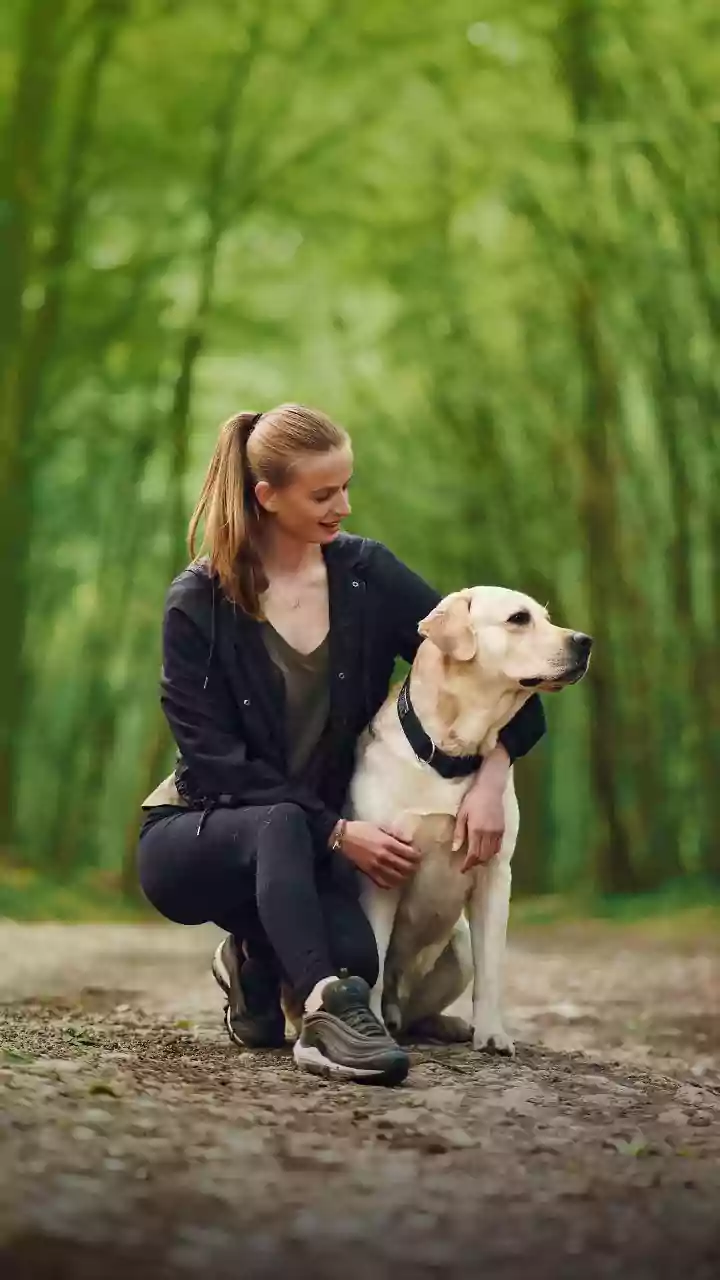
The idea of a bouncing, 100-pound Labrador retriever tearing through delicate lettuce beds is enough to give any farmer a headache. But urban farms are, by necessity, controlled environments. They are almost always fenced to protect crops from pests and theft, which has the convenient side effect of creating a secure, enclosed area. Unlike a vast public park with porous boundaries near busy streets, a community farm or garden offers a contained space where a dog can safely be on a long leash or, in designated zones, even off-leash under supervision. Clear pathways, raised beds, and designated 'non-planting' zones create natural boundaries that are easy to teach a dog to respect. This structure provides freedom for the dog and peace of mind for the owner, offering a safer alternative to unstructured urban green spaces.