





Beyond the Blueberry Facial
Step inside a high-end pet spa, and the scene is less kennel, more Kripalu. The air is scented with calming lavender or chamomile, not wet dog. Here, the menu of services goes far beyond a standard trim and shampoo. We're talking about dedicated 'recovery
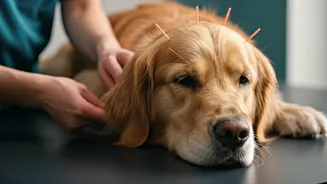
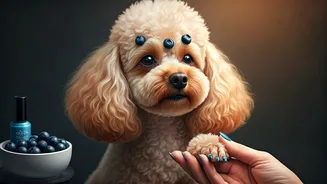
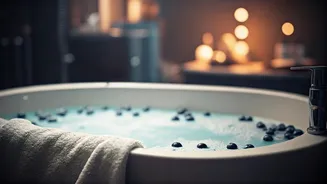
therapies' designed to soothe, rejuvenate, and de-stress our four-legged companions. Think warm, Dead Sea salt soaks infused with ginger and arnica to supposedly ease joint stiffness in senior dogs. Picture calming aromatherapy sessions using pet-safe essential oil diffusers to quell anxiety before a vet visit. Many of these treatments are directly inspired by human wellness trends. There are 'pawdicures' featuring moisturizing herbal balms, skin-soothing mud baths with mineral-rich clays, and even gentle massages using techniques adapted for canine and feline anatomy. The focus is on natural ingredients and a holistic experience, creating a serene environment that promises a departure from the often stressful, clinical feeling of traditional grooming.
The Humanization of Pet Care
So, why would a perfectly happy Golden Retriever need a hot stone massage? The answer says more about us than it does about them. This trend is the pinnacle of what industry experts call the 'humanization' of pets. For a growing number of Americans, particularly Millennials and Gen Z, pets aren't just animals; they are 'fur babies,' integral members of the family. As we've become more invested in our own wellness—mindfulness apps, organic diets, self-care Sundays—we've begun projecting those same values onto our pets. If a lavender-infused bath helps us unwind after a long week, the thinking goes, why wouldn't it help Fido? The American Pet Products Association reports that spending on pet services, including grooming and spa treatments, is a multi-billion dollar industry and continues to climb. We want to provide our pets with the same level of care and comfort we seek for ourselves, and entrepreneurs are happily creating premium services to meet that demand.
Soothing Nerves—or Owners?
The big question, of course, is whether the pets actually enjoy and benefit from these elaborate rituals. While there's no scientific consensus on the efficacy of 'herbal recovery' for animals, proponents argue the effects are plain to see. A gentle massage can certainly relax a tense animal, and a warm, soothing bath is often a welcome experience for dogs who don’t mind the water. For anxious pets, the quiet, calm environment of a spa can be a marked improvement over a loud, bustling grooming facility. However, skeptics suggest the primary beneficiary is the owner. Paying for a luxury treatment is a tangible way to express love and alleviate guilt over long workdays or time spent away from home. It makes the owner feel like a proactive, caring 'pet parent.' In many cases, the therapy might be working on both ends of the leash: the pet gets a pleasant physical experience, and the human gets the emotional satisfaction of providing the very best.
From Niche Luxury to Mainstream
While dedicated pet spas with hydrotherapy tubs remain a luxury in major metro areas, the ethos of herbal wellness is trickling down into the mainstream. Pet store shelves are now stocked with 'calming' lavender-scented shampoos, hemp-infused paw balms, and 'anxiety-reducing' supplements. Mobile groomers are beginning to offer aromatherapy add-ons, and even traditional veterinary clinics are incorporating more 'fear-free' practices that focus on creating a calmer, less stressful environment. This shift indicates that the desire for a more holistic, gentle approach to pet care is not just a fad for the wealthy. It reflects a broader cultural change in our relationship with the animals who share our homes. We see their comfort and emotional well-being as a priority, not an afterthought.