





A Healthier Take on Tradition
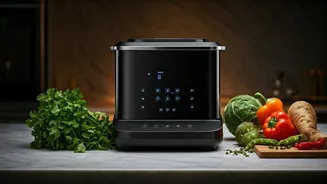
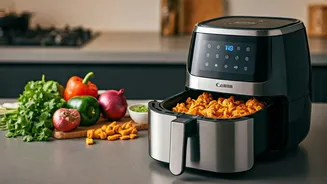
Walk into many modern Indian American homes, and you'll find an air fryer sitting proudly on the counter, often right next to the gleaming steel spice box (masala dabba) and the trusty pressure cooker. This isn't a case of abandoning tradition, but augmenting
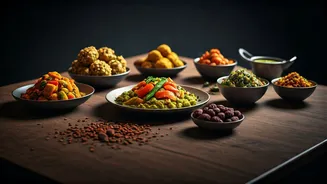
it. At its core, the appeal is simple: health. So many beloved Indian snacks—from crispy samosas and onion bhajis (pakoras) to savory vadas—are traditionally deep-fried. The air fryer promises that same satisfying crunch with a fraction of the oil, striking a perfect compromise for a generation of cooks who grew up on fried delicacies but are now more calorie-conscious. It allows families to enjoy their favorite comfort foods more often, without the associated guilt or the lingering smell of hot oil.
The Ultimate Kitchen Multi-Tasker
While the low-oil frying gets all the attention, the air fryer’s versatility is what has truly cemented its place in the Indian kitchen. It's a convection oven, a grill, and a dehydrator all in one compact package. For Indian cooking, this is a game-changer. It can replicate the high, dry heat of a tandoor oven, roast vegetables to perfection, and even toast spices to release their essential oils. This adaptability resonates deeply in a cuisine that values complex textures and layered flavors. Food bloggers and home cooks on Instagram and TikTok have fueled the obsession, sharing endless “hacks” that showcase the appliance's ability to tackle everything from appetizers to main courses with surprising finesse.
Hack #1: The Samosa Savior
This might be the gateway drug for air fryer adoption in Indian households. A day-old or frozen samosa, when microwaved, becomes a sad, soggy shadow of its former self. But a few minutes in the air fryer resurrects it completely. The circulating hot air crisps the pastry shell back to its flaky, golden-brown glory while warming the spiced potato filling inside. It’s a simple trick that delivers a near-fresh experience, solving the age-old problem of how to properly enjoy leftover fried snacks. The same logic applies beautifully to kachoris, spring rolls, and pakoras, making the air fryer the undisputed champion of the second-day snack.
Hack #2: Tandoor-Style Without a Tandoor
A traditional tandoor—a cylindrical clay oven that reaches scorching temperatures—is not exactly standard kitchen equipment in the U.S. Yet, it's responsible for iconic dishes like tandoori chicken and paneer tikka. The air fryer brilliantly mimics this cooking environment. By marinating chicken, paneer, or vegetables in yogurt and spices and then air frying at a high temperature, cooks can achieve that characteristic char and smoky flavor profile without the smoke and hassle. The result is tender, juicy interiors and slightly blistered, flavorful exteriors. It's an ingenious shortcut that puts restaurant-style dishes firmly within the reach of the home cook.
Hack #3: Conquering Tricky Vegetables
Certain Indian vegetable preparations are notoriously difficult to perfect. Take 'kurkuri bhindi' (crispy okra), for instance. Traditionally, the sliced okra is deep-fried to eliminate its sliminess and achieve a satisfying crunch. This is messy and uses a lot of oil. The air fryer handles it effortlessly. A light toss in chickpea flour, spices, and a mere teaspoon of oil is all it takes. The result is perfectly crispy, non-slimy okra every time. The same principle works wonders for other challenging vegetables like bitter gourd (karela), plantains, and eggplant, transforming them into addictive, healthy snacks or side dishes.