




The Scotland of India
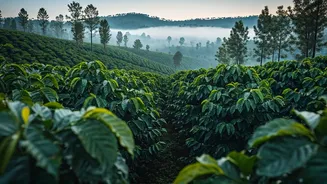
Tucked away in the Western Ghats mountain range in the southern state of Karnataka, the region of Kodagu, more famously known as Coorg, has earned the nickname “the Scotland of India.” It’s a comparison that feels instantly apt, not because of any architectural
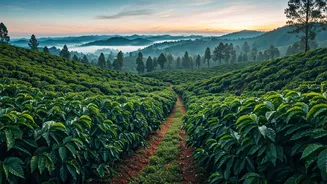
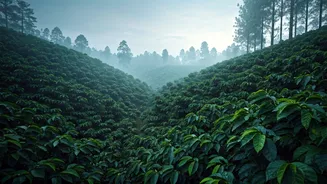
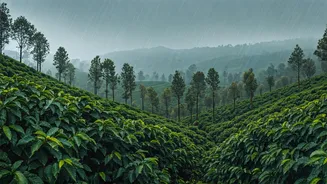
resemblance, but because of the atmosphere. Like the Scottish Highlands, Coorg is a land of rolling hills perpetually draped in a soft, ethereal mist. But instead of heather and lochs, you’ll find a landscape bursting with emerald-green rice paddies, dense forests, and, most importantly, the sprawling coffee plantations that define its identity. The air here is cool and clean, a welcome respite for those accustomed to the heat of the Indian plains. It’s a place where the pace of life slows, dictated not by clocks, but by the rhythm of the rain and the seasons of the coffee bean.
In the Heart of Coffee Country
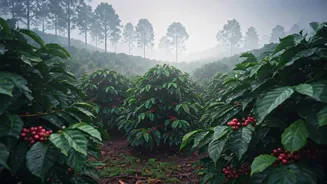
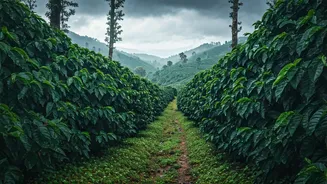
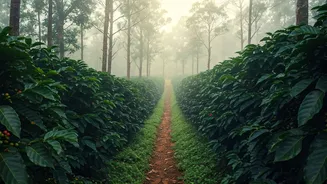
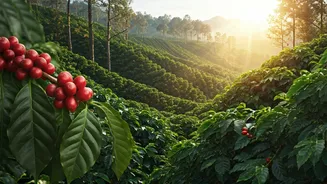
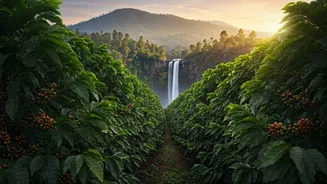
You can’t talk about Coorg without talking about coffee. This small district is the largest coffee producer in India, and the crop is woven into the very fabric of its culture and economy. The hillsides are covered with the glossy, dark green leaves of Arabica and Robusta plants, often grown under the shade of massive rosewood and silver oak trees. Driving through the winding roads, the rich, earthy aroma of coffee blossoms in the spring or roasting beans year-round is a constant companion. Many plantations have opened their doors to visitors, offering “bean-to-cup” tours that are far more than a simple tasting. You can walk among the coffee bushes, learn about the cultivation process from local planters, and watch as the beans are harvested, dried, and roasted. Finishing the day with a freshly brewed cup of local coffee on a veranda overlooking the misty hills is an experience that borders on the sublime.
A Symphony of Mist and Rain
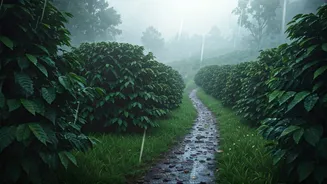
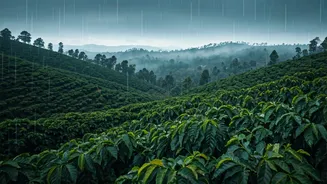
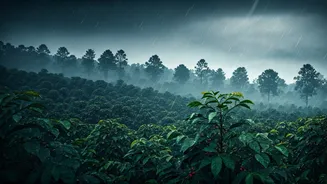
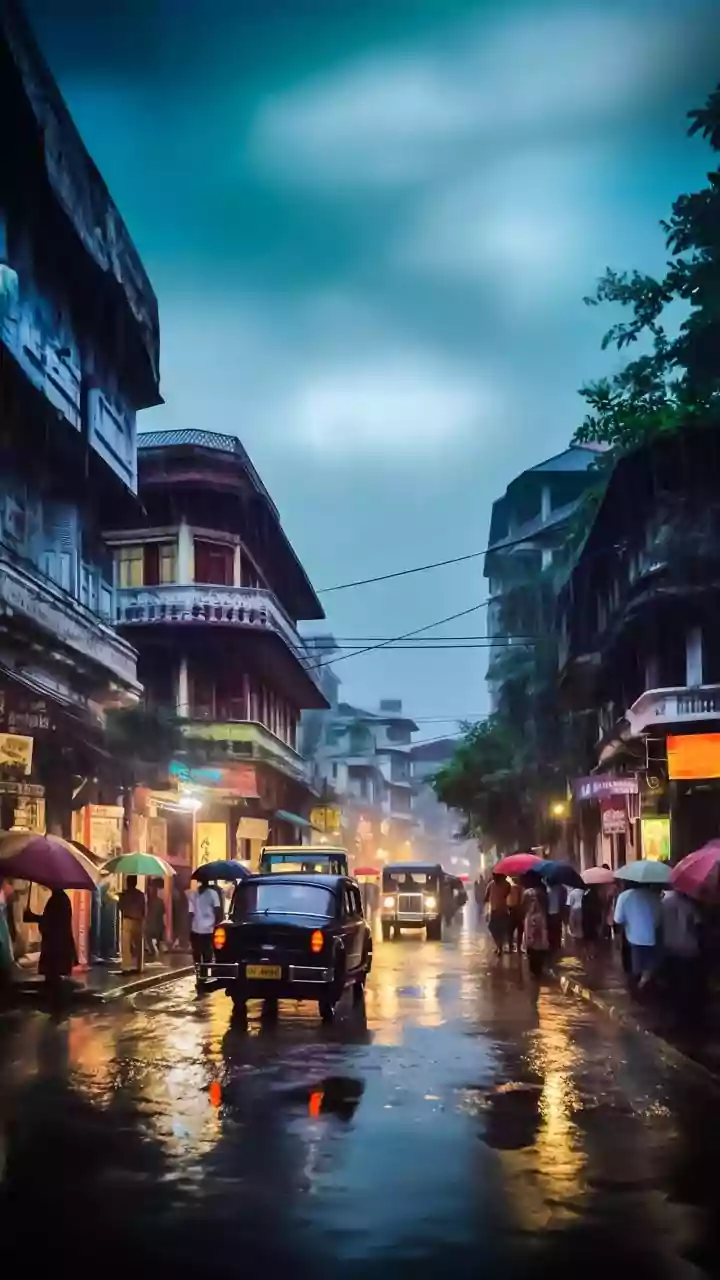
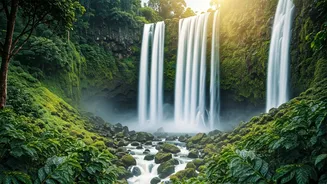
For many destinations, rain is a travel-killer. In Coorg, it’s the main event. The monsoon season, typically from June to September, is when the region’s beauty reaches its dramatic peak. The rain doesn’t just fall; it washes the landscape clean, turning the foliage a vibrant, almost impossibly deep green. Waterfalls that were mere trickles in the dry season, like the famous Abbey Falls, become roaring cascades. The fog rolls in thick and fast, swallowing entire hillsides and creating a sense of serene isolation. It’s a time for cozying up in a homestay with a good book, a hot drink, and the sound of raindrops drumming on the roof. This isn’t the kind of vacation for frantic sightseeing; it’s an invitation to slow down, to watch the clouds drift, and to appreciate the moody, romantic spectacle of nature in its prime.
Beyond the Brew
While coffee is king, Coorg’s allure extends far beyond the plantations. For a panoramic view of the fog-kissed landscape, head to Raja’s Seat, a garden that was supposedly a favorite spot for the kings of Kodagu to watch the sunset. Or venture to Talakaveri, the source of the sacred River Kaveri, perched high in the Brahmagiri hills. For wildlife enthusiasts, the Dubare Elephant Camp offers a chance to get up close with elephants, watching them bathe in the river. The region is also home to the Kodava people, a distinct martial community with unique traditions, dress, and a cuisine famous for its flavorful, spice-rich dishes—most notably Pandi Curry, a delicious pork dish that is a must-try for any visitor. This cultural depth adds another layer to Coorg’s appeal, making it more than just a pretty place.