







The New Culinary Landscape
For years, the story of Delhi food for many Americans was singular: rich, traditional Mughlai fare and fiery street food classics. That story is still there, and as delicious as ever. But a new chapter is being written across the city, from the leafy
lanes of Khan Market to the urban villages of Mehrauli. A wave of innovative chefs and restaurateurs is redefining what it means to eat in India's capital. These aren't just restaurants; they are statements. We're seeing an explosion of establishments that celebrate regional Indian ingredients with global techniques, moving far beyond the standard North Indian fare. Think modernist interpretations of Bengali mustard fish, small plates inspired by forgotten Himachali recipes, and cocktail bars using Indian botanicals like gondhoraj lime and Himalayan juniper. Places like Indian Accent, which has long topped global best-of lists, paved the way. Now, a new generation is following, opening concepts that are both unapologetically Indian and confidently international. This isn't about imitating the West; it's about showcasing India's diverse culinary heritage on a world-class stage.
An Appetite for Growth
This flourishing food scene is not happening in a vacuum. It is the most visible and accessible symptom of a much larger story: India's economic awakening. The "big appetite" in the headline is about more than just food; it's about an appetite for growth, opportunity, and global recognition. As India cements its position as the world's fifth-largest economy and a critical hub for technology and manufacturing, a new, aspirational middle and upper class has emerged. This demographic has disposable income and a global perspective, shaped by travel and the internet. They demand more than just sustenance; they want experiences. They are the patrons filling these ambitious new restaurants, creating a virtuous cycle of demand and innovation. The investment flowing into Delhi’s culinary world mirrors the foreign capital pouring into the country's tech startups and infrastructure projects. Every new tasting menu and chic café is, in its own way, a tiny monument to a rising economic tide.
A City Remaking Itself
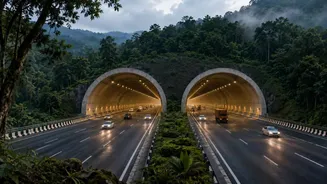
To serve these fresh tables, Delhi itself is undergoing a physical transformation. The city’s notorious traffic is being tackled by a rapidly expanding metro system, one of the world's largest. New highways and flyovers are stitching the sprawling metropolis together. Heritage areas are being revitalized, with ancient ruins now providing a dramatic backdrop for chic rooftop bars and art galleries. This isn't just about gentrification; it's a conscious effort to build a modern, livable megacity that can compete for talent and investment with hubs like Singapore or Dubai. The development creates the spaces—both physical and psychological—for this new culture to thrive. It's easier to venture across town for a celebrated meal when the journey is no longer a multi-hour ordeal. The juxtaposition of ancient history with hyper-modernity is becoming Delhi's defining aesthetic, a city that is simultaneously looking back at its rich past and rocketing into the future.
A New Cultural Confidence
Ultimately, the explosion in Delhi's dining scene reflects a profound shift in the national psyche. It's a transition from a post-colonial mindset to one of bold, self-assured cultural expression. For decades, the benchmark for luxury and quality was often imported. Now, the new standard is proudly local. This confidence is evident not just in food, but across the board—in fashion that reinterprets traditional textiles for modern silhouettes, in a booming contemporary art market, and in a film industry that is telling increasingly complex, globally relevant stories. Delhi's new restaurants are part of this cultural vanguard. They are crafting a narrative of what modern India is and what it wants to be: a nation that is deeply rooted in its own traditions but comfortable and conversant on the global stage. They are telling the world, one exquisite plate at a time, that India has arrived and is ready for its seat at the table.