
The Backlash Against 'Blah'
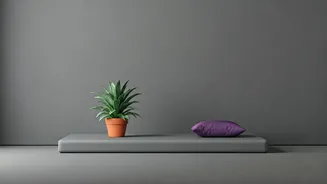
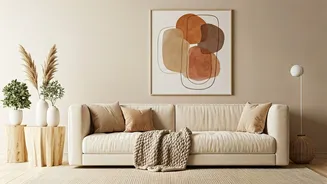
Remember the 2010s? Interior design, heavily influenced by social media feeds, seemed to converge on a single, algorithm-approved aesthetic. It was a world of Scandinavian-inspired minimalism, muted color palettes, and an almost fearful avoidance of anything
that could be considered 'clutter.' Every home started to look like the same direct-to-consumer catalog, filled with objects that were tasteful but ultimately anonymous. While clean and photogenic, this style often left spaces feeling cold, impersonal, and more like a showroom than a lived-in home. The rise of quirky accents is a direct, joyful rejection of that sterile sameness. It’s a collective decision to favor personality over perfection and to fill our homes with things that tell a story, spark a conversation, or just make us smile.
So, What Makes an Accent 'Quirky'?
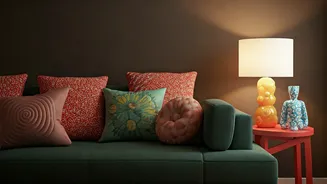
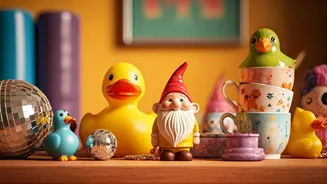
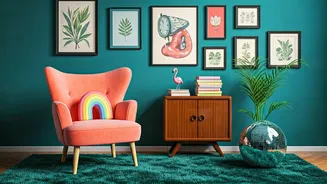
A 'quirky' accent isn’t just any piece of decor. It’s an object with a distinct personality, one that subverts expectations in some small, delightful way. Think of the mushroom-shaped lamps popping up on side tables, wavy mirrors that reflect a slightly distorted, funhouse version of reality, or a vintage ceramic hand that serves no purpose other than to be weirdly charming. The category also includes pieces that celebrate imperfection, like a lopsided, hand-thrown pottery mug or a piece of art made by a friend. These items stand out because they aren’t mass-produced to the point of anonymity. They have odd shapes, unexpected colors, or a sense of humor. A quirky accent is the thing a guest points to and asks, “Where on earth did you get that?” The answer, invariably, comes with a good story.
Dopamine Decor and the Human Touch
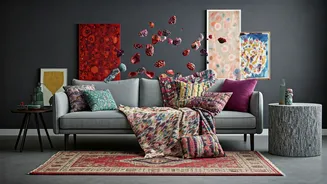
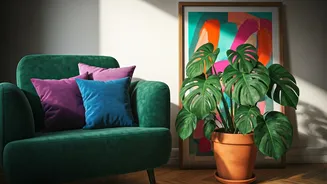
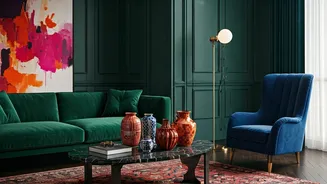
This trend is about more than just aesthetics; it's rooted in psychology. After spending unprecedented amounts of time within our own four walls during the pandemic, many of us realized our homes needed to do more than just look good—they needed to *feel* good. Enter the concept of “dopamine decor,” the practice of filling your space with things that bring you genuine joy. A bright yellow vase, a kitschy figurine from your grandmother’s house, or a bold, graphic print can provide a small hit of happiness every time you see it. These objects transform a house into a home, embedding our memories, tastes, and eccentricities into the very fabric of the space. In a world that often feels overwhelmingly curated and digitally filtered, these tangible, imperfect items serve as grounding forces, reminding us of our own unique, wonderfully human messiness.
How to Cultivate Your Own Quirk
The best part about this trend is that you can’t buy it in a pre-packaged kit. It’s about authentic self-expression, not following a new set of rules. The first step is to ignore the trends and listen to your own gut. What makes you laugh? What colors make you happy? What objects hold personal meaning? Start there. Scour flea markets, thrift stores, and estate sales for one-of-a-kind treasures that feel like they were waiting for you. Support local artists and craftspeople whose work has a distinct, handmade feel. And don't be afraid to display personal items—that strange rock you found on a hike, a collection of mismatched teacups, or your child's first sculpture. The goal isn’t to create a perfectly styled “quirky” interior, but to build a layered, evolving space that is an honest reflection of you.