


The Death of the Three-Martini Lunch
Remember the classic image of the American lunch break? Think Don Draper entertaining a client with steak and cocktails, or a bustling diner filled with workers taking a full hour to eat a heavy, carb-loaded meal. For decades, lunch was an event—a distinct
break from the workday that often required a food-induced recovery period afterward. That model is fading fast, and Gen Z is leading the charge in dismantling it. They grew up in a different world, one where the lines between work, life, and wellness are blurred. The idea of dedicating 90 minutes to a meal that leaves you groggy and unproductive for the rest of the afternoon feels inefficient and, frankly, archaic.
An Appetite for Efficiency
For many younger workers, time is the ultimate currency. The appeal of a salad or grain bowl isn't just about the ingredients; it's about the speed. Fast-casual chains like Sweetgreen, Cava, and Chopt have built empires on this principle: a nutritious, customized meal, ready in minutes. This efficiency allows for a more flexible lunch break. Instead of being chained to a restaurant table, you can eat at your desk while finishing a project, take a walk, run an errand, or even squeeze in a quick workout. A light lunch prevents the dreaded 2 p.m. “food coma,” keeping energy levels stable and minds sharp. In a culture that values productivity and optimization, the easy salad is the perfect fuel.
Wellness as a Status Symbol
Gen Z is arguably the most health-conscious generation to date. They are digital natives who have had unprecedented access to information about nutrition, diet, and wellness. This awareness translates directly to their plates. Salads and bowls are inherently customizable, making it easy to accommodate any dietary preference, from vegan and gluten-free to keto and paleo. Unlike a pre-set sandwich or a heavy pasta dish, a salad bowl gives the consumer complete control. Choosing fresh greens, lean proteins, and nutrient-dense toppings isn’t just a dietary choice; it’s a lifestyle statement. It signals a commitment to personal well-being that has become a new form of social currency.
The Instagrammable Meal
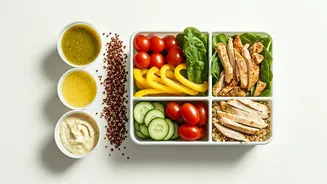
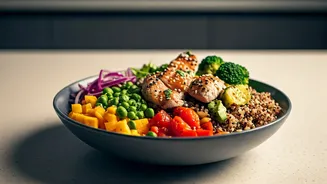
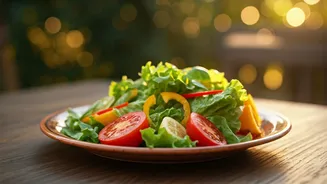
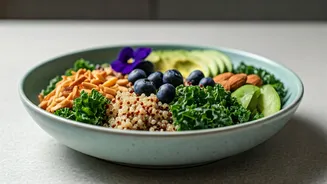
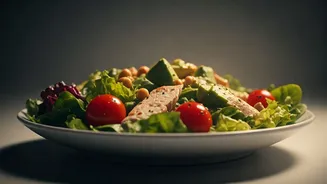
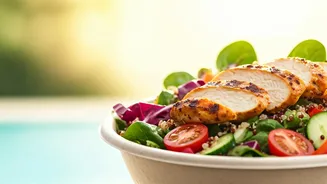
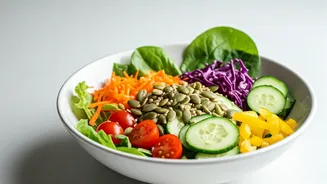
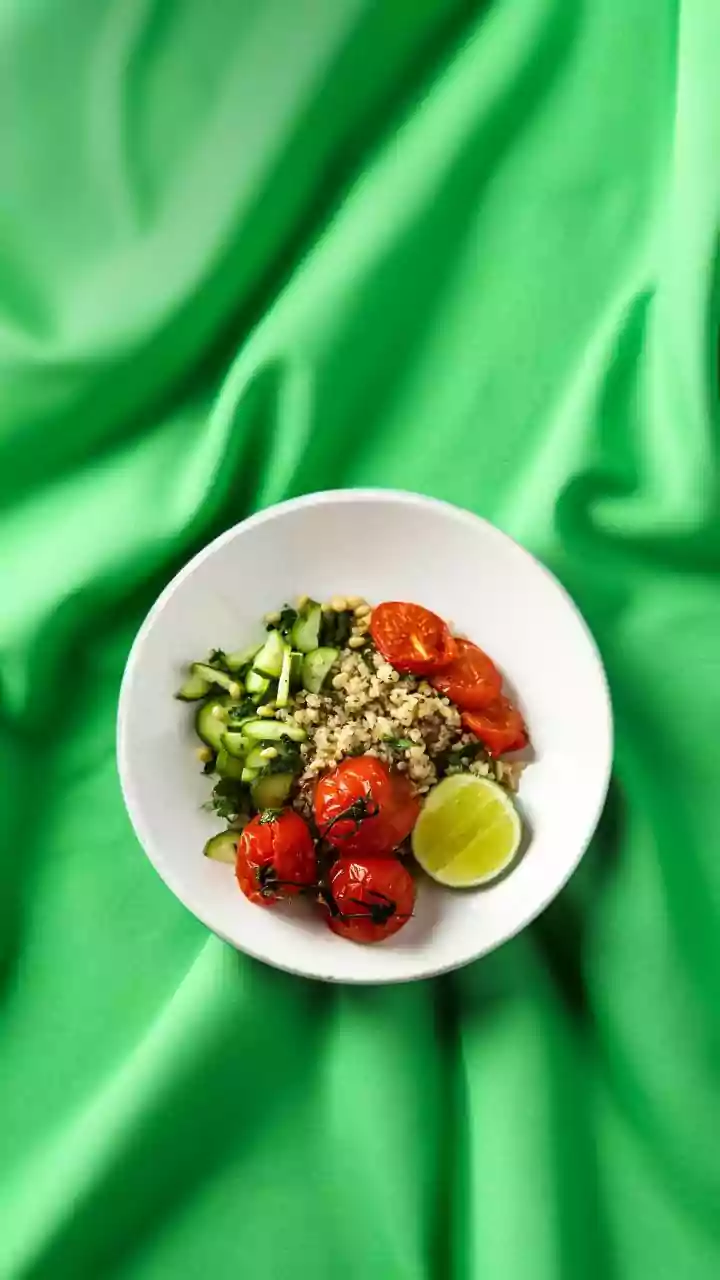
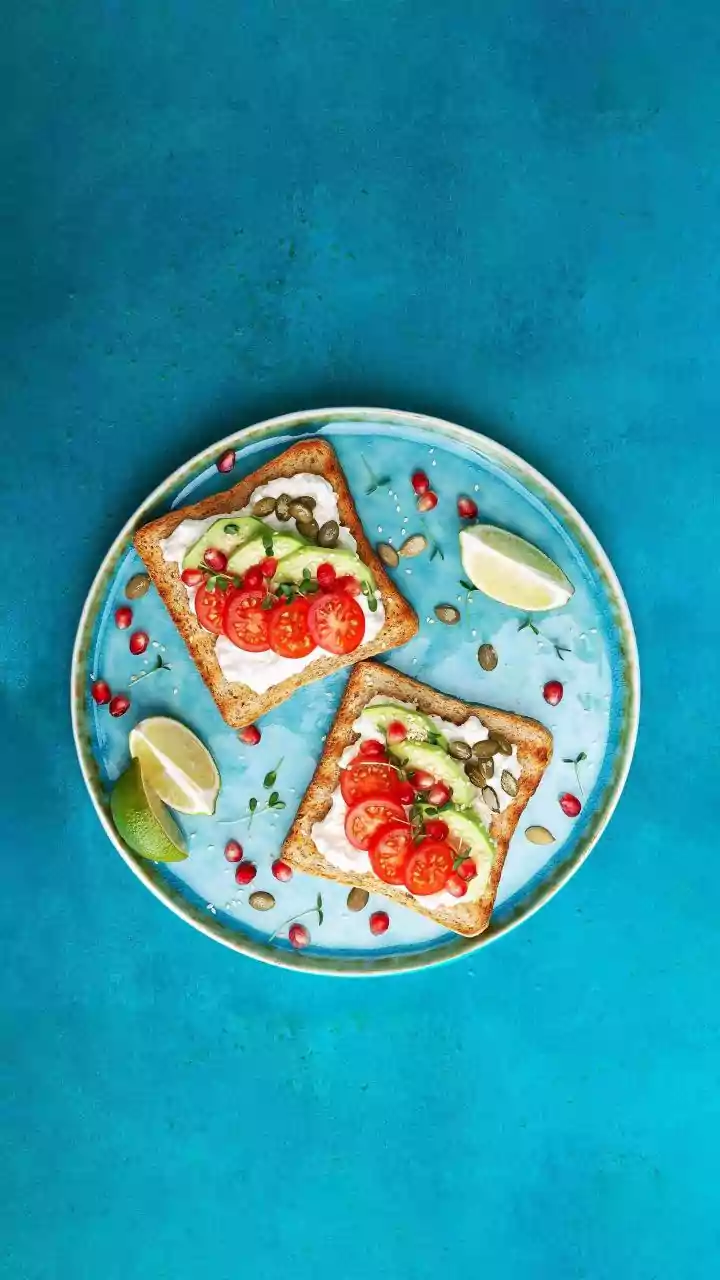
Let’s be honest: we eat with our eyes first. In the age of social media, the visual appeal of food is more important than ever. A vibrant, colorful salad, artfully arranged in a bowl with a variety of textures and toppings, is tailor-made for an Instagram story. It looks healthy, fresh, and aspirational. Legacy lunch options—a brown-bagged sandwich, a beige plate of pasta, a greasy burger—simply can't compete aesthetically. Food brands have leaned into this, designing their meals and marketing to be as photogenic as possible. This isn’t just vanity; it's a powerful form of word-of-mouth marketing that reinforces the salad’s status as the cool, modern lunch choice.
It’s Not Just Lettuce Anymore
Perhaps the biggest shift is in our very definition of “salad.” The term no longer brings to mind a sad pile of iceberg lettuce with a few lonely tomatoes. Today’s “salad” is often a hearty grain bowl, a protein-packed poke bowl, or a complex mix of roasted vegetables, ancient grains, and global flavors. These meals are satisfying and filling without being heavy. They offer a perfect balance of complex carbohydrates for energy, protein for satiety, and healthy fats for brain function. This evolution has transformed the salad from a side dish or a diet-specific sacrifice into a delicious, crave-worthy main course that can stand on its own.