



The Climate on Your Plate
Every food item has an environmental story, and a big chapter is about its journey. When you see fresh raspberries in the dead of a Minnesota winter or asparagus on a New England Thanksgiving table, that produce likely traveled thousands of miles to get
to your store. This concept, often called “food miles,” refers to the distance food is transported from the time of its production until it reaches the consumer. Long-haul transportation, whether by truck, ship, or plane, burns fossil fuels and generates significant carbon emissions. But it’s not just about distance. Out-of-season produce often requires energy-intensive growing conditions. Those perfect summer tomatoes available in January? They were likely grown in a heated greenhouse, which consumes vast amounts of energy to mimic a climate that doesn't exist naturally. By choosing food that’s in season in your region, you’re inherently opting out of the most energy-intensive parts of this global supply chain.
Beyond the Carbon Footprint
While reducing food miles and energy consumption is a major benefit, the advantages of seasonal eating ripple outward. When you buy seasonal produce, you are more likely to be supporting local or regional farmers. This keeps money in your local community and helps sustain smaller-scale agricultural operations that are often better stewards of the land than massive industrial farms. These farms are more likely to use sustainable practices, preserve biodiversity by growing heirloom varieties, and maintain healthy soil, which is itself a crucial carbon sink. Furthermore, produce that is picked at its peak of ripeness and sold nearby doesn’t require the extensive refrigeration, chemical treatments, or protective waxing that foods destined for long-distance shipping often do. This means less energy consumed in storage and fewer chemicals in the ecosystem and on your food.
The Flavor Dividend
Let’s be honest: for many, the most compelling reason to eat seasonally has nothing to do with carbon and everything to do with taste. Produce that is grown in its natural season, picked at the peak of ripeness, and sold shortly thereafter is simply more delicious. It’s the difference between a sweet, juicy, sun-warmed strawberry in June and a hard, watery, flavorless one in December. When fruits and vegetables are allowed to fully ripen on the vine, they develop their full sugar content and a complex array of flavorful compounds. Produce shipped from afar is often picked prematurely to ensure it survives the journey, and it never achieves the same depth of flavor. Eating seasonally turns cooking and dining into an act of discovery, connecting you to the rhythm of the year. You anticipate the first sweet corn of summer, the crisp apples of fall, and the hearty root vegetables of winter.
How to Start Eating Seasonally
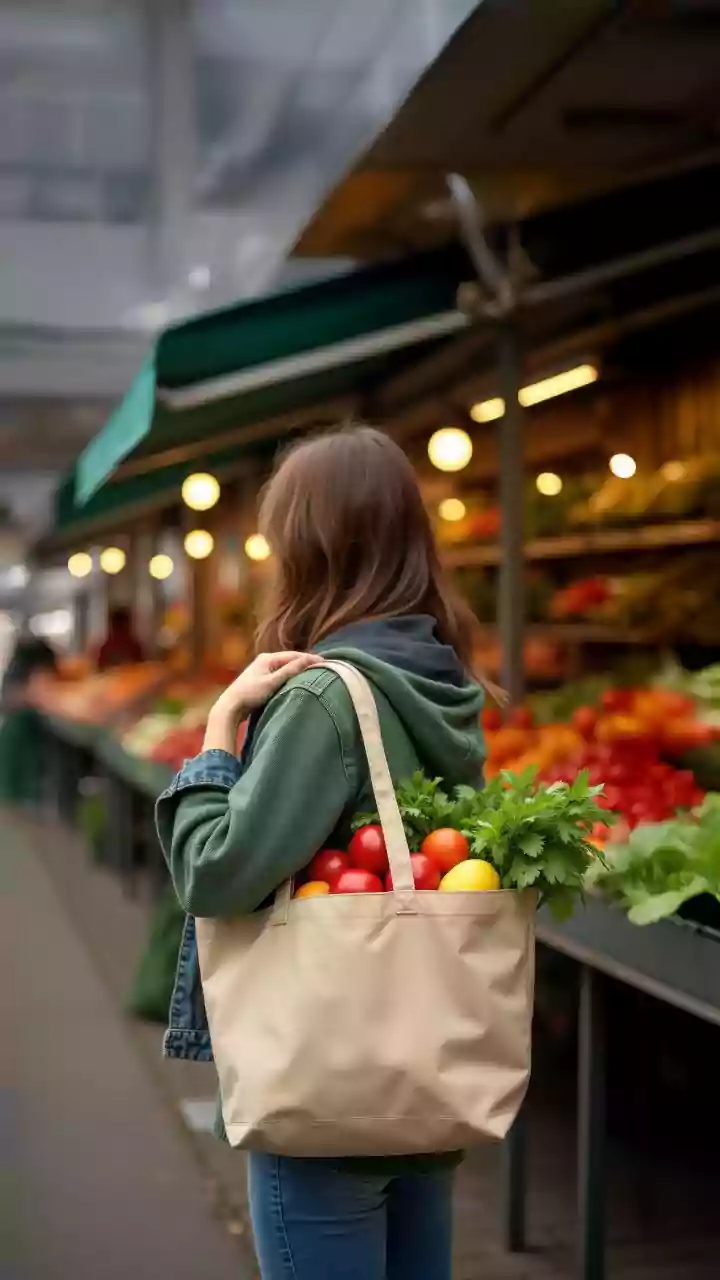
Making the switch doesn’t require a radical lifestyle overhaul. It starts with curiosity. The next time you're at the grocery store, take a moment to notice where your produce is from. A small sticker or sign will tell you the country or state of origin. You can also: - **Visit a Farmers Market:** This is the most direct way to connect with seasonal, local food. Talk to the farmers and ask what’s tasting good right now. - **Join a CSA:** Community Supported Agriculture programs provide you with a weekly box of whatever is being harvested at a local farm. It’s a great way to force yourself to try new things. - **Consult a Guide:** Websites like the USDA’s Seasonal Produce Guide and apps like Seasonal Food Guide can tell you what’s in season in your specific state at any given time of year. - **Start Small:** You don’t have to be perfect. Begin by challenging yourself to make one or two seasonal meals a week. Build a salad around local greens or roast a medley of in-season root vegetables. The journey begins with a single, flavorful bite.