




Grand Falls: Arizona's 'Chocolate' Wonder
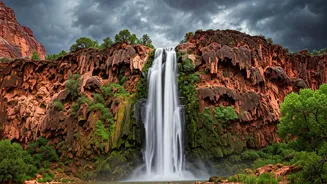
Forget delicate, crystalline cascades. Grand Falls is a thundering spectacle of raw power. Located on Navajo Nation land northeast of Flagstaff, this natural wonder is often wider than it is tall—and during peak flow, it’s taller than Niagara Falls. It
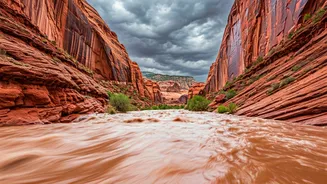
earns its “Chocolate Falls” nickname from the sediment-rich water of the Little Colorado River, which turns the cataract into a churning, opaque brown torrent. Because it’s fed by upstream runoff, the falls can go from a trickle to a deluge with astonishing speed after a heavy monsoon storm. The viewpoint is easily accessible via a short walk from a parking area, offering a breathtaking panorama of the terraced cliffs. Timing is everything here; the most impressive flows often occur a day or two after significant rainfall in the region. Before you go, be sure to check road conditions, as the unpaved roads leading to the falls can become impassable when wet.
Seven Falls: A Tucson Desert Oasis
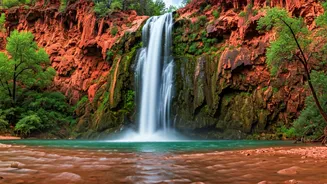
Nestled in the Sabino Canyon Recreation Area near Tucson, the hike to Seven Falls is a classic Sonoran Desert experience with a spectacular payoff. The trail itself, which involves multiple water crossings over Bear Creek, becomes a key part of the adventure during monsoon season. After a roughly four-mile trek, you’re rewarded with a series of rock pools and a stunning waterfall cascading down a sheer canyon wall into a deep, inviting pool. The flow here is directly tied to recent rainfall, turning a modest stream into a powerful display. The surrounding cliffs amplify the sound of the rushing water, creating a true oasis environment. Given its location in a canyon, this trail is highly susceptible to flash floods. The tram service that takes visitors part of the way is often suspended during high-water events, and rangers may close the trail entirely. Always check the official Sabino Canyon website or call the visitor center for current conditions before lacing up your hiking boots.
Waterfalls Canyon: A Dramatic Utah Border Show
For those seeking something truly ephemeral, the waterfalls near the Utah-Arizona border town of Hildale are a must-see. After a powerful summer thunderstorm, water streams over the vermilion cliffs that frame the town, creating dozens of temporary waterfalls in an area aptly known as Waterfalls Canyon. Unlike a permanent river, this phenomenon is entirely rain-fed, appearing within minutes of a downpour and sometimes vanishing just as quickly. The sight of water pouring over the iconic red rock is a photographer’s dream and a powerful reminder of the forces that shape this landscape. This area is the very definition of a flash flood zone. Watching the falls from a safe distance, such as from the roads within the town, is the recommended way to experience the spectacle. Do not attempt to hike into the narrow canyons or cross flowing washes during or immediately after a storm.
Know Before You Go: Monsoon Safety Is Non-Negotiable
Chasing monsoon waterfalls is an unforgettable experience, but it demands respect and preparation. Flash floods are the number one weather-related killer in the Southwest for a reason. Water can travel miles from a distant storm, meaning a canyon can flood even under clear blue skies. First, always check the detailed forecast and flash flood watches from the National Weather Service. Second, tell someone your plan, including your route and expected return time. Third, have multiple ways to get weather alerts, but don’t rely on cell service, which is spotty in many of these remote areas. Finally, adopt the mantra: “When in doubt, turn about.” If you see rising water, hear a roaring sound upstream, or notice the water turning muddy, get to higher ground immediately. No photo is worth the risk.