



1. Master Your Drainage
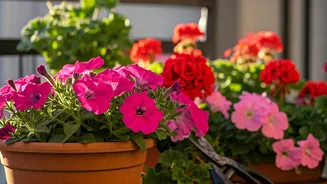
Waterlogging is the silent killer of container gardens. A heavy downpour can turn a beautiful pot of petunias into a swamp, starving roots of oxygen. Before the rainy season sets in, make this your top priority. Tip each pot and ensure the drainage holes
are clear of compacted soil or tangled roots. If a container has no holes, now is the time to drill some. For pots that sit in saucers, get in the habit of emptying them immediately after a storm. Letting pots stand in water is a guaranteed recipe for root rot, a problem that often isn't visible until it's too late. A simple check today prevents a world of hurt tomorrow.
2. Secure Your Assets
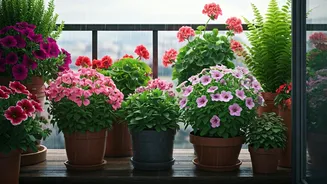
Rain rarely comes alone; it's often accompanied by wind. A top-heavy pot of geraniums or a lightweight plastic planter can easily become a projectile in a gusty squall. Take a tour of your balcony and assess the risk. Move smaller, lighter pots to the floor, preferably clustered together for stability. Consider using garden twine or discreet bungee cords to secure hanging baskets or tall planters to the railing. For railing planters, double-check that the brackets are tight and the container is firmly seated. This isn't just about protecting your plants—it's a critical safety measure for you and anyone below.
3. Protect Delicate Petals and Foliage
Some plants are simply more fragile than others. The paper-thin petals of poppies, the heavy heads of fully bloomed peonies, or the delicate foliage of a Japanese maple can be shredded by driving rain and hail. For your most prized and delicate specimens, a tactical retreat is the best strategy. Identify which plants will be temporarily moved indoors or to a more sheltered corner of the balcony, tucked against the wall. A little bit of shuffling before a storm is far less work than mourning a plant that's been beaten beyond recovery.
4. Prune for Resilience
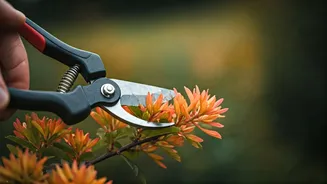
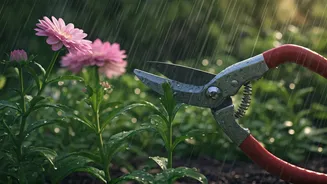
A dense, overgrown plant acts like a sail in the wind, catching every gust and putting immense strain on its stems and roots. A strategic pre-rain trim, or "haircut," can dramatically improve a plant's resilience. Thin out dense foliage to allow wind to pass through more easily. Deadhead spent flowers and snip off any weak or leggy stems that are likely to snap under the weight of rainwater. This not only strengthens the plant but also reduces the risk of fungal diseases, which thrive in the damp, stagnant air of overcrowded foliage.
5. Give Your Pots a Lift
Even with perfect drainage holes, a pot sitting flush against the balcony floor can have its drainage impeded. Water can get trapped between the pot and the surface, creating a perpetually soggy base. The solution is simple: elevate your containers. Use commercial "pot feet," bricks, or even flat stones to lift your pots by just an inch or two. This small gap allows water to drain freely and air to circulate underneath, preventing the dreaded "wet feet" that lead to rot and disease. It's a small detail that makes a huge difference in the overall health of your container garden.
6. Have a Shelter Plan Ready
For truly severe weather—think hurricane remnants or intense thunderstorms—you need more than a casual strategy. Decide ahead of time what your emergency plan is. Which plants are non-negotiable and must come inside? Designate a space for them, like a tiled entryway or a garage. For larger pots that can't be moved, consider investing in horticultural fleece or a lightweight tarp that you can throw over them to shield them from the worst of the wind and rain. Having the materials and the plan ready means you can act quickly when a severe weather alert comes through, rather than scrambling in a panic.