







A New Dawn for Public Spaces
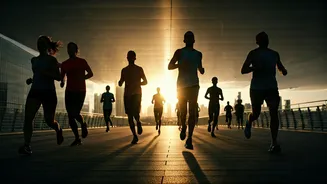
In cities across India, the pre-dawn hours no longer belong to street sweepers and milk delivery men alone. They are being reclaimed. In Mumbai, runners trace the arc of Marine Drive, a sea of neon shirts against the Arabian Sea. In Delhi’s Lodhi Garden,
hundreds of people of all ages flow through sun salutations, while others join laughter yoga clubs, their collective chuckles echoing through the historic tombs. It’s a nationwide phenomenon, transforming public parks, lakeside paths, and even residential society compounds into vibrant, open-air gyms. This isn’t a fleeting trend; it’s the new morning ritual for a growing segment of the population, a visible sign that health is no longer a private concern but a public, communal pursuit.
From Afterthought to Aspiration
So, what’s behind the rush to lace up sneakers before sunrise? For decades, fitness in India was largely functional or confined to the ultra-wealthy. Today, it’s an aspirational cornerstone of the booming middle and upper-middle class. A confluence of factors is at play. Rising disposable incomes mean more money for gym memberships, athletic gear, and personal trainers. Simultaneously, a growing awareness of lifestyle diseases like diabetes and heart disease—often linked to sedentary urban jobs and changing diets—has created a new sense of urgency. Health is now a status symbol, a project to be managed. Posting a sweaty selfie after a 10k run or holding a difficult yoga pose is a modern way to signal discipline, success, and self-improvement in a highly competitive society.
The Power of the Group
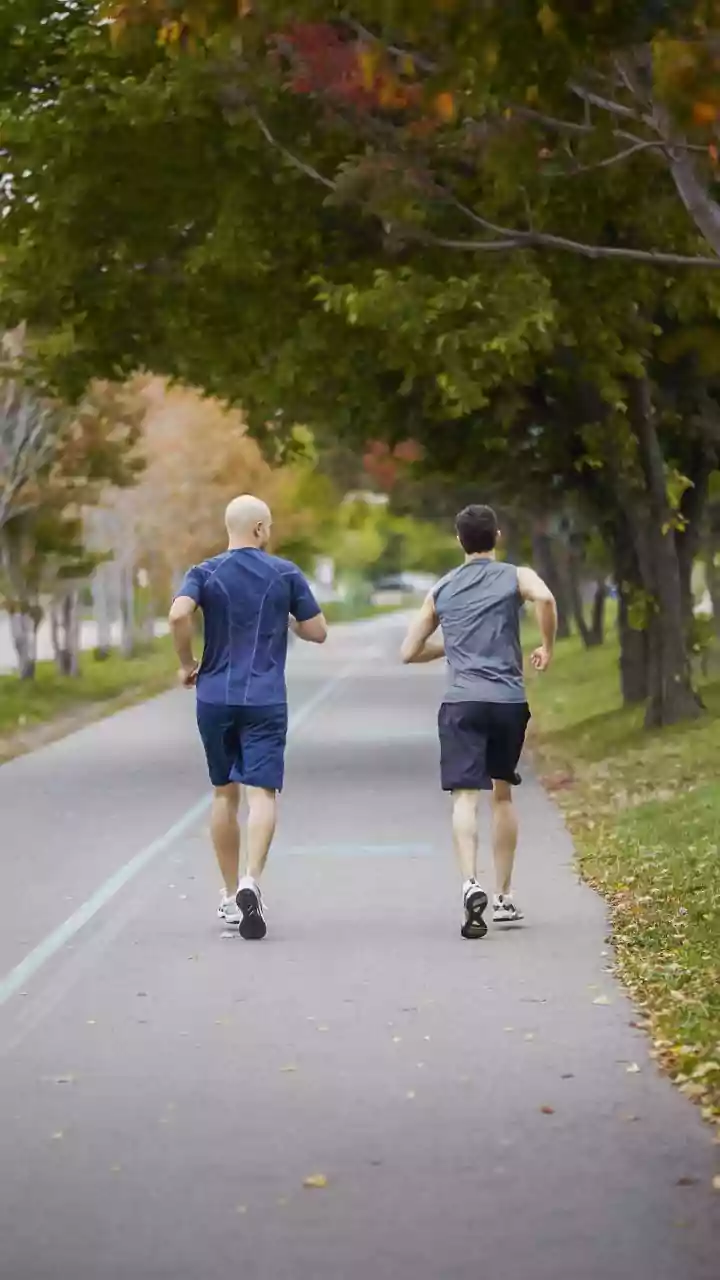
Unlike the often solitary, headphone-driven gym culture in the U.S., much of India's fitness movement is deeply social. The explosion of running groups, cycling clubs, and Zumba classes in the park speaks to a desire for community. These groups provide motivation, accountability, and a powerful social network. For many young professionals who have moved to big cities for work, a morning running club is a primary source of friendship and belonging. This communal aspect lowers the barrier to entry; you don't need a fancy gym membership, just a pair of shoes and the willingness to show up. The energy is infectious, turning a solitary chore into a shared celebration of effort and progress.
Tech, Trends, and Tradition
This fitness boom is a uniquely Indian blend of the old and the new. Ancient practices like yoga are experiencing a massive, modernized resurgence, practiced with Lululemon mats and guided by internationally trained instructors. At the same time, global trends are being adopted and adapted. Fitness apps, smartwatches, and YouTube workout channels are ubiquitous, helping people track their progress and connect with a global wellness community. International marathon brands have found a fervent audience, with city marathons in Mumbai, Delhi, and Bengaluru drawing tens of thousands of participants. This isn't simply an import of Western fitness culture; it’s a dynamic fusion where a traditional respect for discipline meets the modern tools of a connected world.