

More Than Just Naan and Tikka Masala
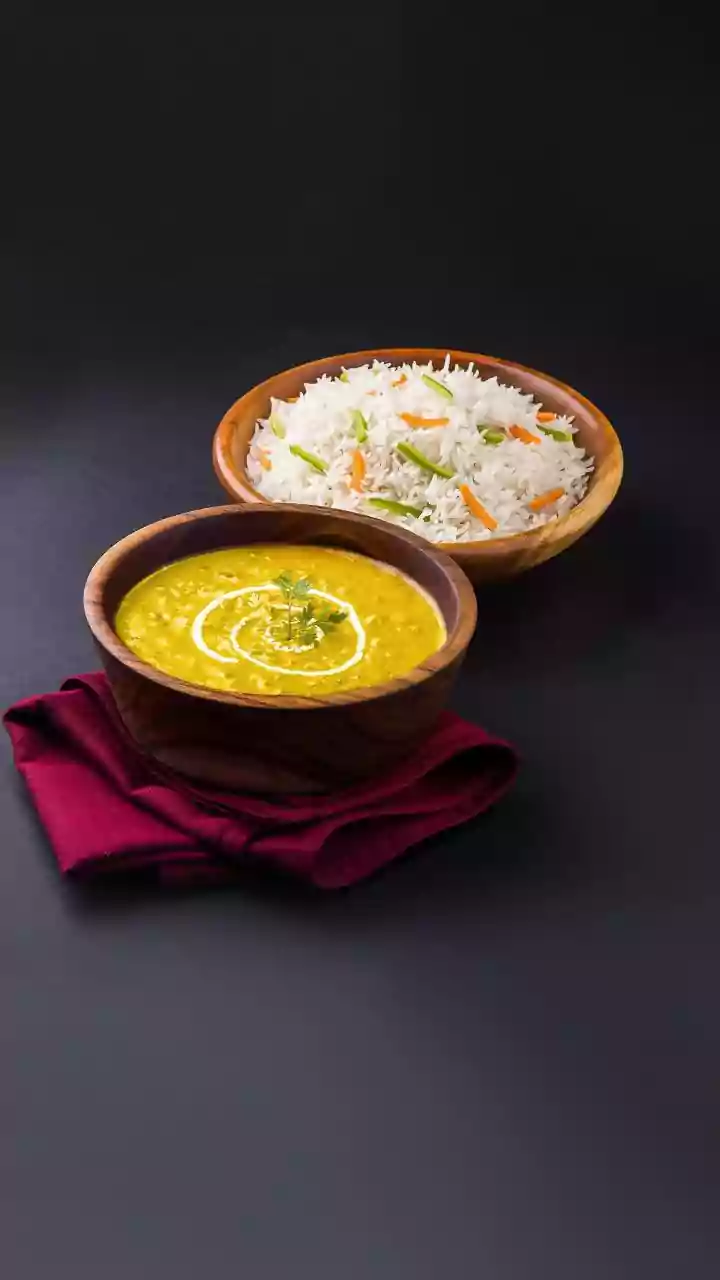
Let’s be honest: for many Americans, Indian food has long been synonymous with a familiar, comforting rotation of dishes—creamy tikka masala, buttery naan, and maybe a samosa to start. It’s delicious, but it’s a snapshot, not the whole picture. In India,
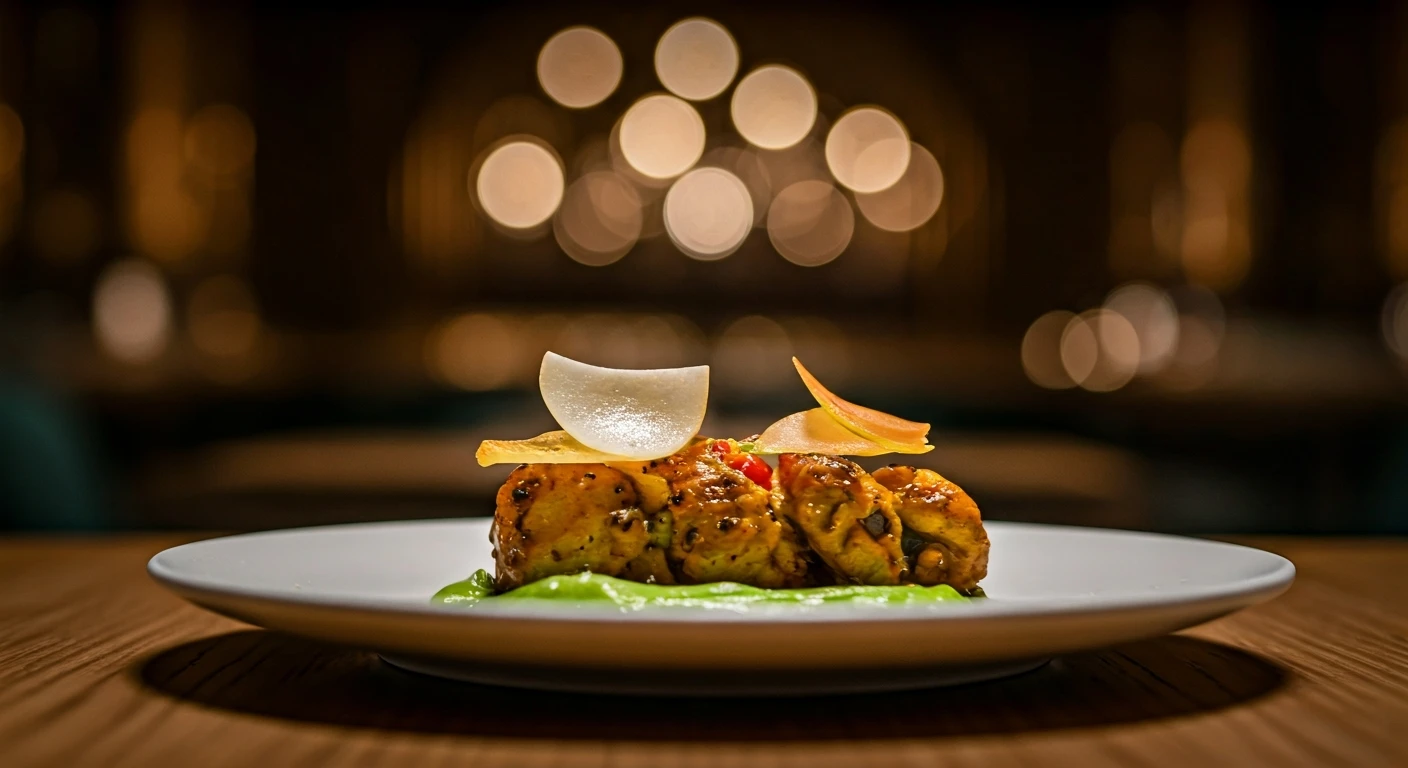
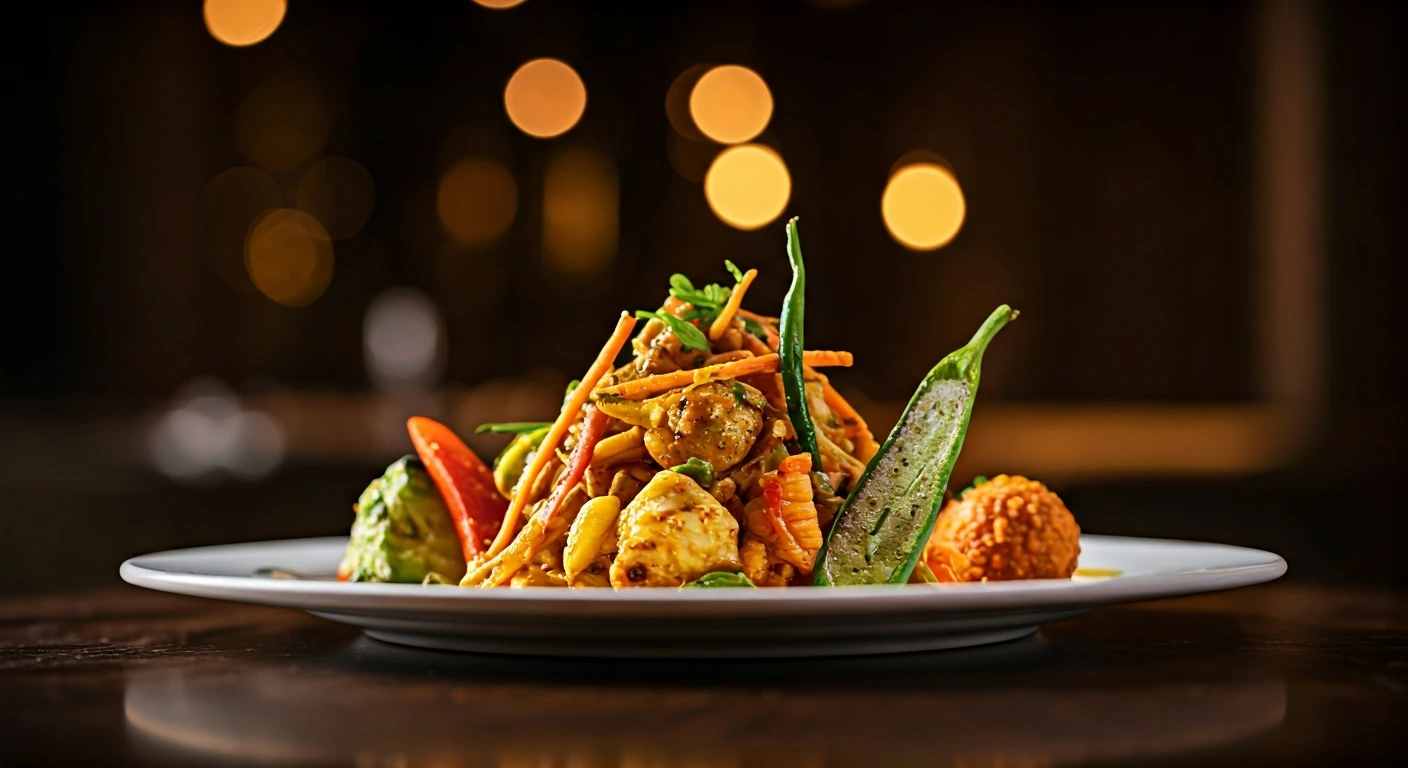
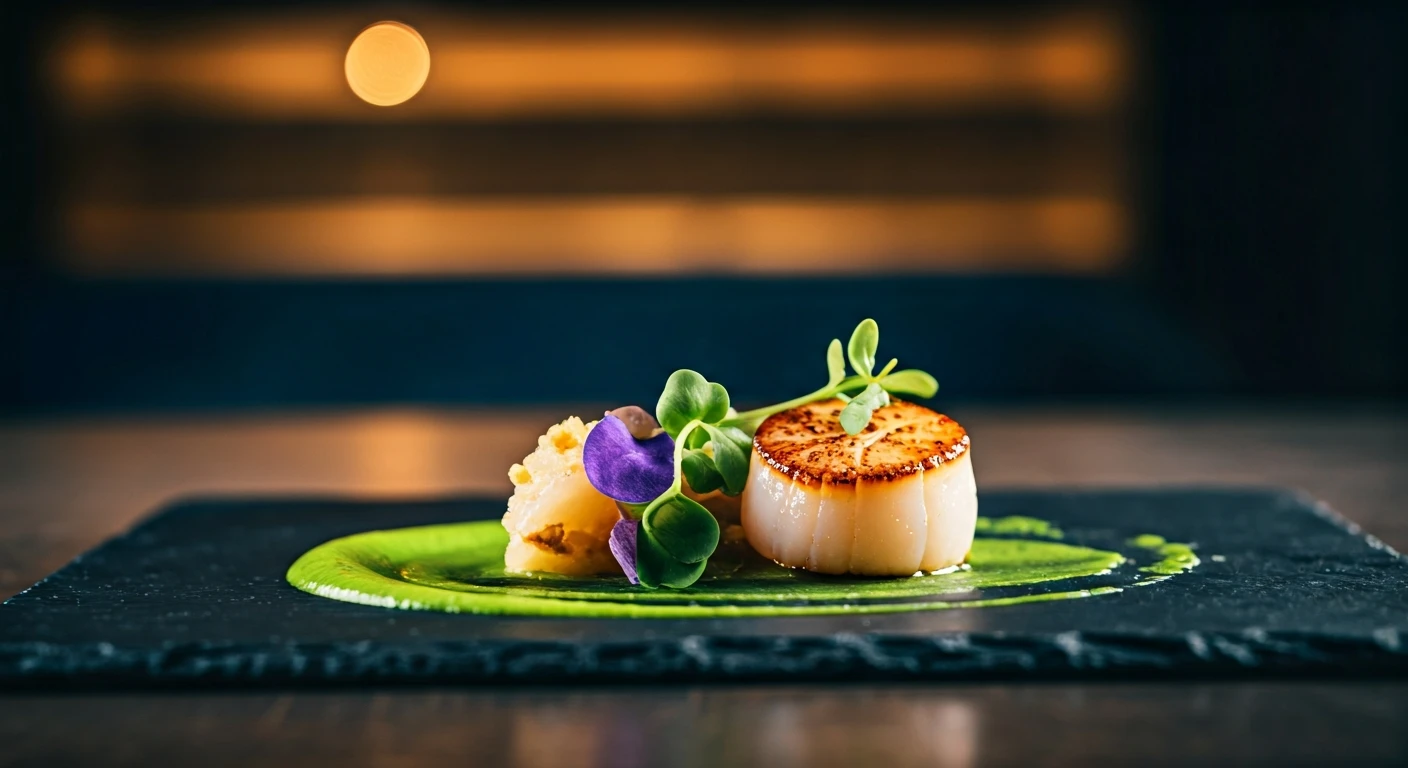
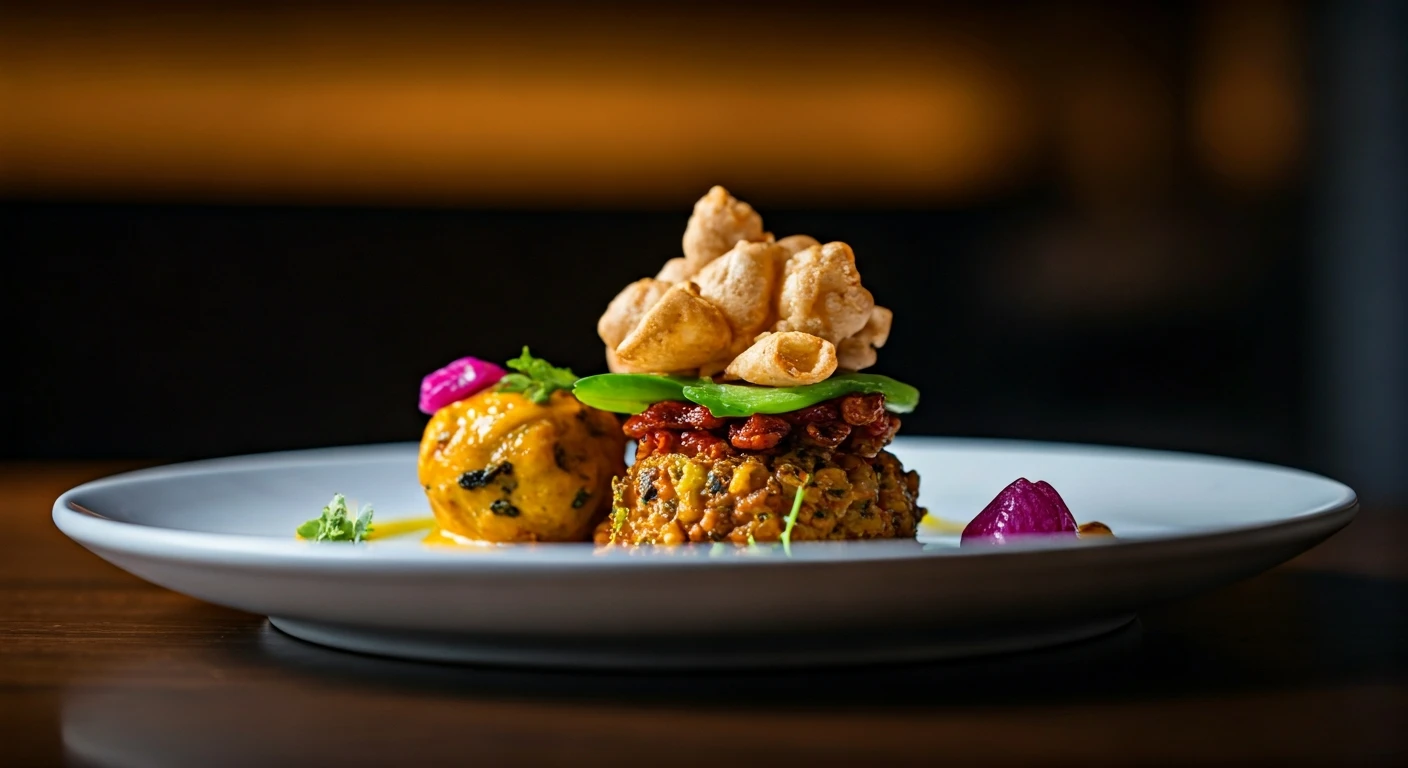
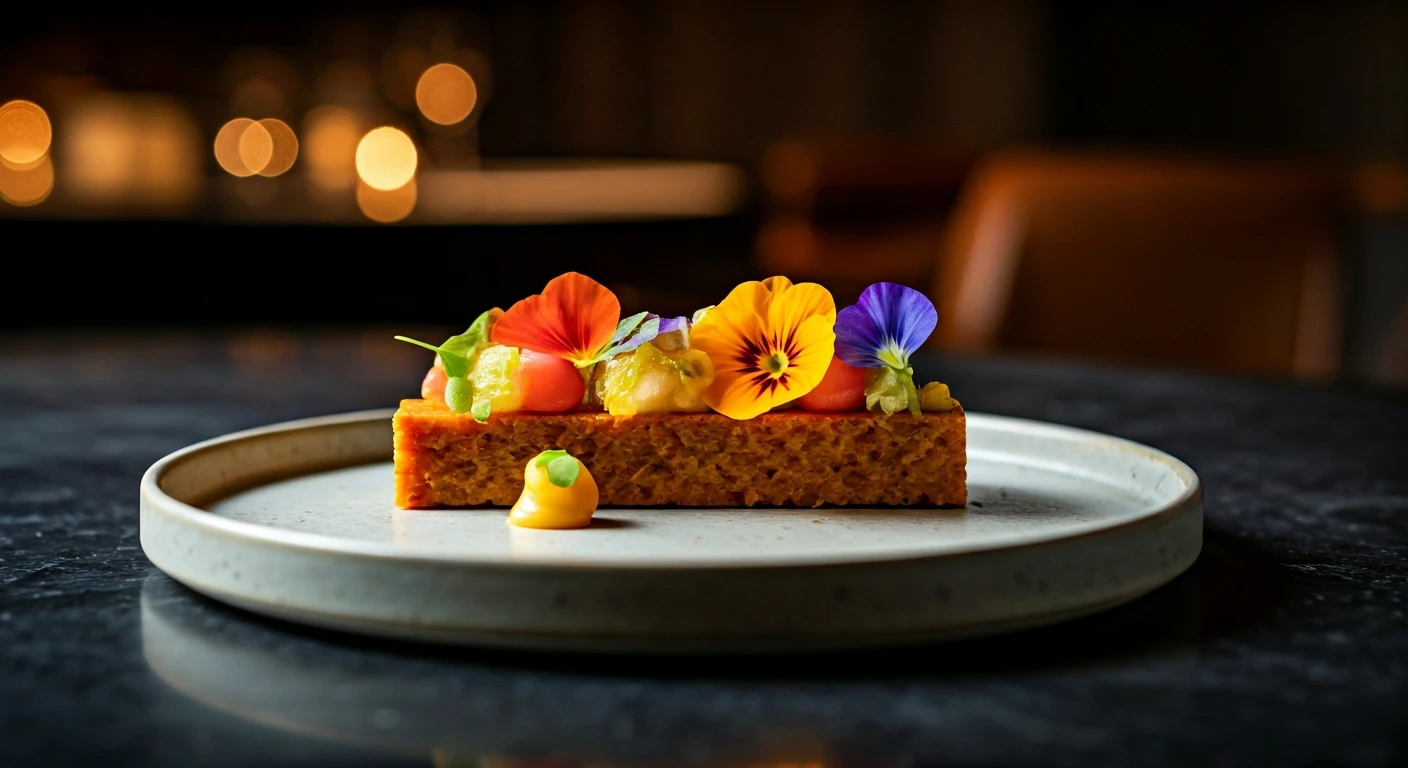
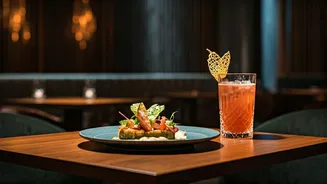
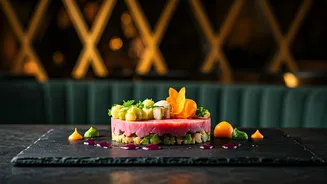
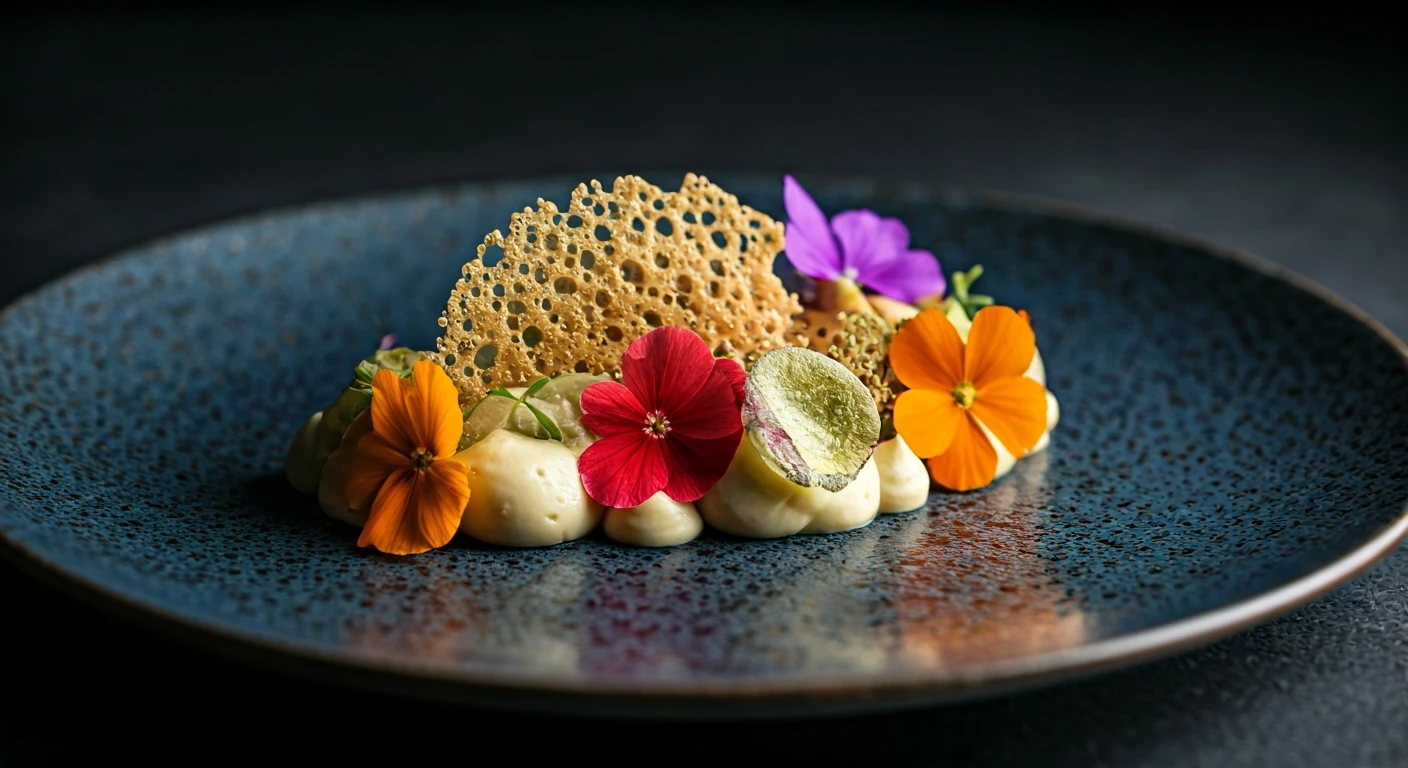
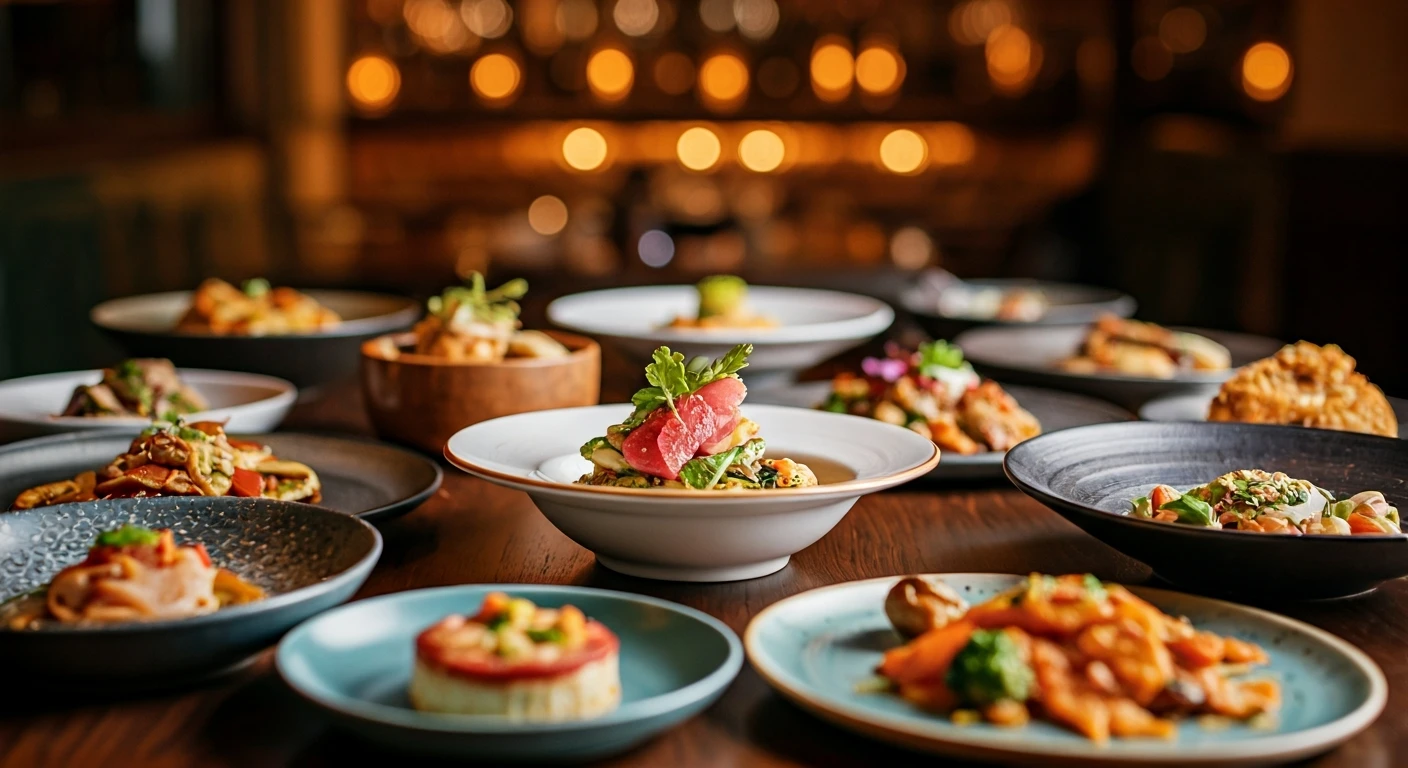
a seismic shift is happening. The restaurant scene is undergoing a massive “glow-up,” moving far beyond the neighborhood curry house and into the realm of world-class, concept-driven fine dining. We're talking multi-course tasting menus, stunning architectural designs, and cocktail programs that could rival any in New York or London. This isn't about replacing traditional food; it's about elevating, reinventing, and celebrating it on a global stage. The result is a dining culture that is confident, creative, and undeniably modern.
A New Generation Takes the Kitchen
So, who’s behind this transformation? A new guard of Indian chefs is leading the charge. Many trained in the top culinary schools and Michelin-starred kitchens of Europe and America, but instead of staying abroad, they’ve returned home. Their mission: to apply modern techniques to the vast, complex pantry of Indian ingredients. They are culinary archaeologists, unearthing forgotten grains, hyper-local vegetables, and regional recipes that rarely made it into commercial kitchens. At Mumbai's Masque, for example, chef Prateek Sadhu built a reputation on a ten-course menu celebrating ingredients from the Himalayas and Kashmir. In Goa, Avartana reimagines southern Indian flavors in stunningly artistic, unexpected forms. These chefs aren’t just copying Western trends; they are forging a new, distinctly Indian-but-globally-fluent culinary identity.
The World Is Finally Paying Attention
This isn’t just a local trend; it's making international waves. For years, the prestigious Asia's 50 Best Restaurants list featured just a handful of Indian establishments. Now, Indian restaurants are climbing the ranks and winning accolades. Restaurants like Indian Accent in New Delhi, with its inventive approach to nostalgic Indian dishes, have become global destinations. More importantly, the gatekeepers of fine dining are taking notice. In 2022, the Michelin Guide finally launched in India, a long-overdue recognition of the country's culinary maturity. This arrival doesn't just hand out stars; it solidifies India’s place on the world food map, attracting international tourists and putting its top chefs in the same conversation as their global peers. This external validation is a powerful symbol of the scene's arrival.
It’s Not Just About the Food
The restaurant boom is a reflection of a broader story unfolding in India. A rising, aspirational middle and upper class with disposable income and a globalized palate is demanding more sophisticated dining experiences. They travel, they watch 'Chef's Table,' and they want to experience that same level of creativity at home. This economic engine provides the customer base that allows chefs to take risks and build ambitious projects. Furthermore, there's a palpable sense of cultural confidence. This new wave of dining is a powerful expression of modern India—a country that respects its deep traditions while embracing innovation. These restaurants are not just places to eat; they are cultural ambassadors, telling the story of a nation that is both ancient and racing toward the future.