


The Queen of Hills Awakens
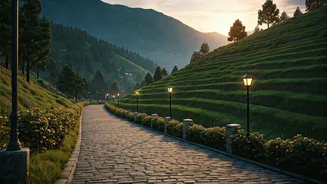
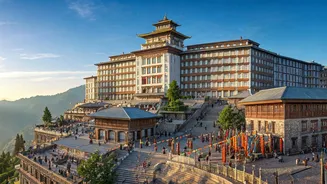
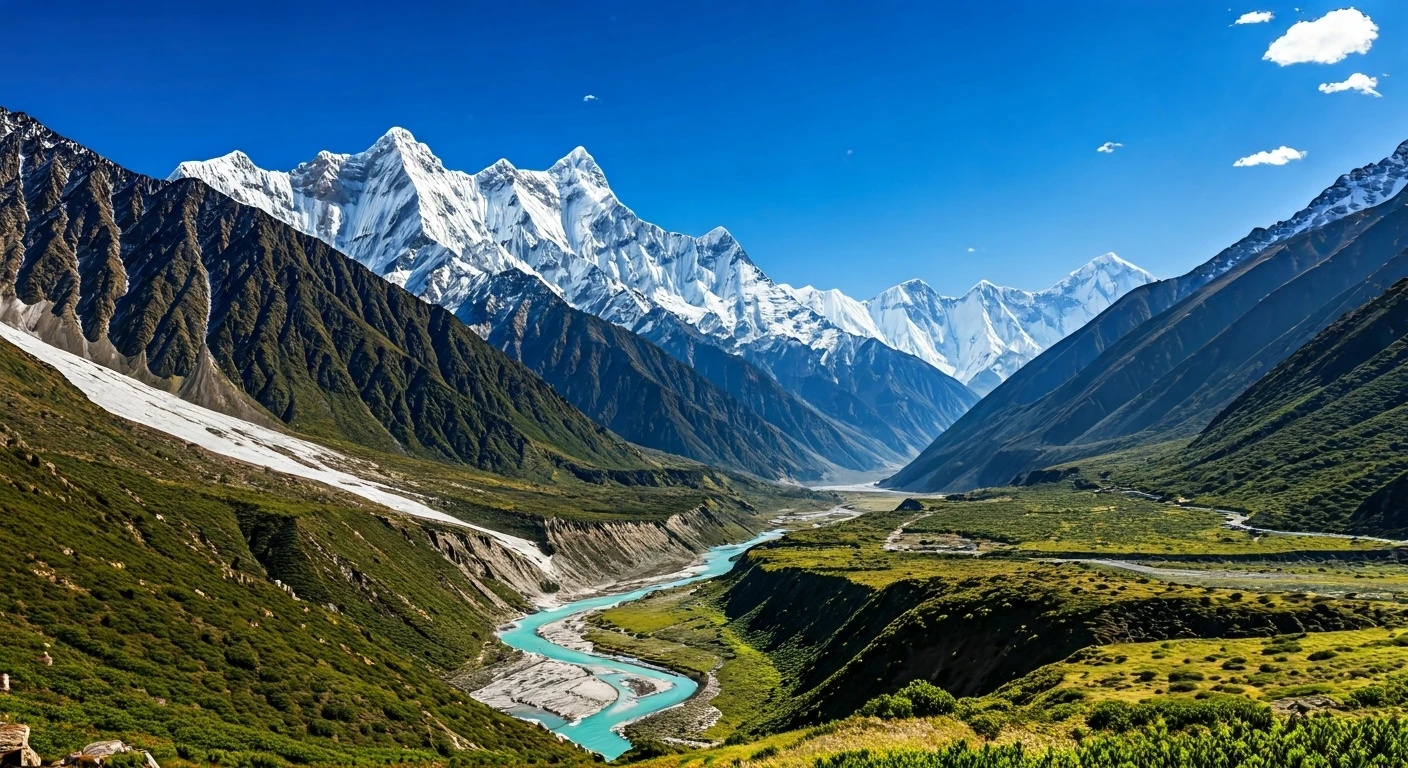
Perched high in the Himalayas, Shimla was once the official summer capital of British India, a cool escape from the scorching plains. Its most famous landmark is The Ridge, a sprawling open-air promenade that offers breathtaking views of the snow-capped
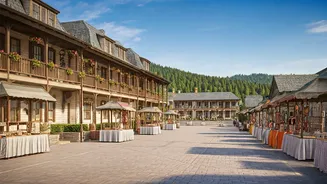
peaks. Flanked by Christ Church—an iconic neo-Gothic structure—and a stately library, The Ridge normally functions as the city's main square, a place for leisurely strolls and quiet contemplation. But during the annual Summer Festival, this colonial-era plaza transforms. The crisp mountain air, usually filled with the scent of pine, becomes thick with the aroma of sizzling street food and the percussive beat of folk music. The festival, which has been a tradition for decades, marks the peak of the tourist season and serves as a vibrant showcase of the region's cultural heritage.
A Symphony of Sights and Sounds
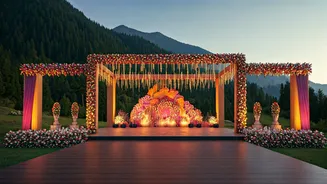
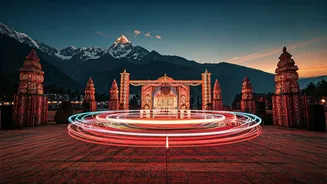
The festival is a full-sensory experience. The main stage on The Ridge becomes the epicenter of activity, hosting a dynamic lineup of performers. By day, you might see troupes performing the traditional *Nati*, the swirling, graceful folk dance of Himachal Pradesh. Dancers in brightly colored, handwoven costumes move in long, winding lines, their silver jewelry glinting in the sun. As evening falls, the energy shifts. The festival often features performances by well-known Bollywood singers and pop stars, drawing massive crowds that sing and dance along under the stars. Beyond the main stage, the entire area buzzes with activity. Local artisans sell intricate wooden crafts and hand-loomed shawls. A famous flower show displays a stunning array of rhododendrons, lilies, and roses, while a quirky but beloved dog show brings proud pet owners from all over the region to show off their prized companions.
More Than Just a Party
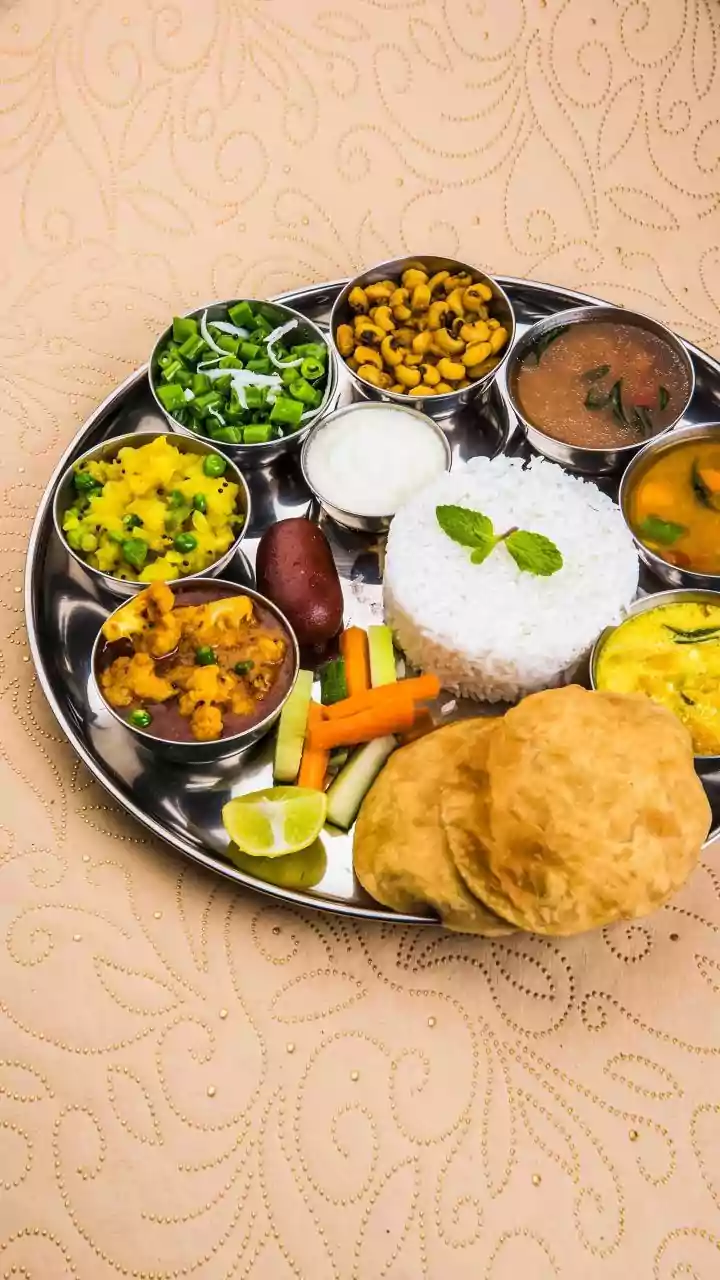
While the atmosphere is celebratory, the Summer Festival is deeply rooted in local culture and community. It serves as a crucial platform for Himachali artists, musicians, and performers to share their traditions with a wider audience, ensuring that these regional art forms continue to thrive. For locals, it’s a time-honored tradition and a source of immense pride. The festival also includes events designed to engage the community directly, from photography competitions and painting contests for children to folk instrument workshops. The food stalls are a major draw, offering a delicious introduction to Himachali cuisine. Visitors can sample everything from *siddu* (a steamed, stuffed bread) to savory lentil dishes and sweet, syrupy desserts, providing a literal taste of the local culture.
From Colonial Past to Cultural Present
There's a subtle but powerful story being told on The Ridge during the festival. This space, once the exclusive domain of British viceroys and their entourages, is now a thoroughly democratic ground for public celebration. It's a place where India’s colonial history and its vibrant, independent present coexist. The Tudor-style buildings and Gothic church provide a dramatic backdrop to a celebration that is uniquely Indian. The festival doesn't erase the past; instead, it reclaims the space, filling it with the sounds, colors, and spirit of Himachal Pradesh. It’s a living monument not just to the beauty of the Himalayas, but to the resilience and dynamism of modern Indian culture.