

From the Taj Mahal to Taylor Swift
For decades, the classic Indian travel itinerary for both domestic and international tourists was a well-worn path: the Taj Mahal in Agra, the palaces of Rajasthan, the backwaters of Kerala. It was a journey defined by place. But now, a new motivation
is drawing travelers out of their homes and across the country: purpose. Specifically, the purpose of attending a live event. Whether it's a multi-day music festival, a high-stakes cricket final, or even a celebrity wedding reception, Indians are increasingly planning entire trips around a single, can't-miss experience. This isn't just a niche trend; it's a fundamental rewiring of the domestic travel industry. Travel platforms in India report that searches for flights and hotels around major event dates can spike by as much as 25-50%, demonstrating a clear link between what’s on stage and who’s on the move.
The New Pilgrimages: Sports and Concerts
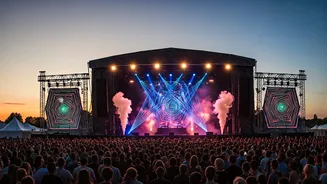
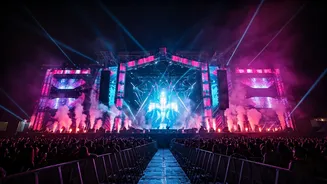
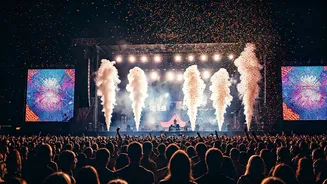
At the heart of this movement are two cultural juggernauts: cricket and music. The Indian Premier League (IPL), a cricket tournament with a level of fan devotion that rivals the NFL playoffs, turns cities into temporary fortresses of fandom. Fans travel by the thousand to support their teams in rival territory, booking up hotels and flooding restaurants for weeks on end. Similarly, the arrival of global music festivals like Lollapalooza in Mumbai has created a new kind of pilgrimage for young, urban Indians. These aren't just concerts; they are cultural moments amplified by social media, creating an intense 'fear of missing out' (FOMO) that drives ticket sales and travel bookings. It’s no longer enough to see your favorite artist on Instagram; the new status symbol is being there in person, and the journey is part of the experience.
What’s Fueling the Phenomenon?
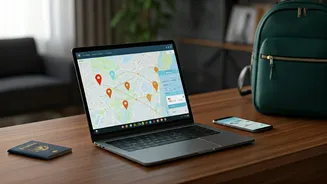
This travel wave isn't happening in a vacuum. It's being powered by a perfect storm of economic and social shifts. First, India's burgeoning middle class has more disposable income than ever before, and they are choosing to spend it on experiences rather than just goods. After years of pandemic-related restrictions, the desire for shared, live entertainment is palpable. Second, improved infrastructure is making cross-country travel easier and more affordable. A massive expansion in budget airlines and modernized train networks means a trip from Delhi to Bangalore is no longer a major logistical undertaking. Finally, the digital age plays a huge role. Social media acts as a massive, real-time billboard for these events, while seamless online booking platforms allow travelers to plan an entire event-centric trip in minutes from their smartphones.
The Ripple Effect on the Ground
The impact of this trend extends far beyond the stadiums and festival grounds. It creates what the travel industry calls a 'pulse' of economic activity. For a weekend, a city hosting a major cricket match or concert sees a surge in demand that benefits everyone from five-star hotels to local street food vendors and ride-sharing drivers. This has led to a smarter, more dynamic tourism ecosystem. Hotels now use dynamic pricing models based on event schedules, and local governments are beginning to see the value in attracting and supporting large-scale events as a key economic driver. It’s a shift from marketing a city's static landmarks to promoting its vibrant, ever-changing calendar of events. This makes tourism less seasonal and more responsive to the cultural pulse of the nation.