


Why It’s Called ‘Drama’
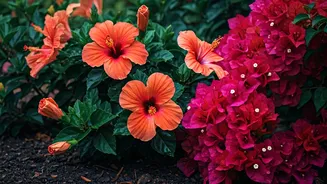
Let’s be honest: no other plant in the garden creates an entire soap opera season quite like a bougainvillea. Its defining characteristic is relentless, almost defiant, growth. Those breathtaking cascades of magenta, purple, or orange are the result of a plant that
wants to conquer territory. Left unchecked, it will happily scale your roof, block your windows, and tangle itself into a thorny, woody mess that becomes a haven for pests and a nightmare to untangle. This isn't the plant's fault; it's simply doing what it was born to do. In its native tropical habitat, this vigorous growth helps it compete for sunlight. In your curated Southwestern or Southern California garden, it’s a trait that requires a firm, loving hand. The 'drama' comes when we ignore the warning signs—the long, leafless canes shooting for the sky, the slow-motion takeover of a neighboring fence—and suddenly find ourselves in a co-starring role we never auditioned for.
Timing Is Everything: The Pre-Monsoon Window
The phrase “pre-monsoon” is key. For gardeners in Arizona and the Southwest, this is a literal term for the hot, dry period in late spring and early summer before the seasonal rains begin. For those in California, Florida, or along the Gulf Coast, think of this as the window just before the peak heat and humidity of summer settles in. This timing is brilliant for two reasons. First, pruning before the heavy rains reduces the risk of fungal diseases and rot taking hold in the fresh cuts. When the air is dry, the plant’s wounds heal cleanly. Second, bougainvillea blooms on new growth. A major pruning now will shock the plant into producing a spectacular flush of new wood, which will then be covered in color for the rest of the summer and fall. If you wait until after the rains start, you risk encouraging disease and a less impressive bloom cycle. So, circle Memorial Day on your calendar; it's the perfect psychological and horticultural starting gun.
Gather Your Tools (and Courage)
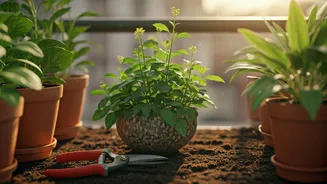
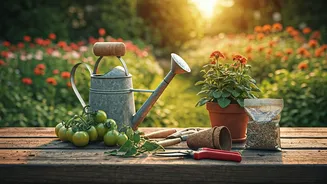
This is not a job for flimsy kitchen scissors. You are going up against a well-armed opponent. Your mission, should you choose to accept it, requires a specific set of tools. Think of it as your pruning arsenal. You will need: - **Thick, thorn-proof gloves:** We cannot stress this enough. Rose gloves that go up to your elbows are ideal. Bougainvillea thorns are sharp, slightly hooked, and can cause painful scratches and infections. - **Safety glasses:** A whipping cane or flying bit of wood can easily injure an eye. Don't skip this. - **Sharp bypass pruners:** For smaller, newer stems. - **Long-handled loppers:** These provide the leverage you need to cut through woody canes up to an inch thick. This is your primary weapon. - **A pruning saw:** For any branches that are too thick for the loppers. If your bougainvillea has been neglected for years, you will need this. And yes, you’ll need a bit of courage. It can feel brutal to cut back a plant so severely, but you are not hurting it. You are helping it.
The Haircut: A Step-by-Step Guide
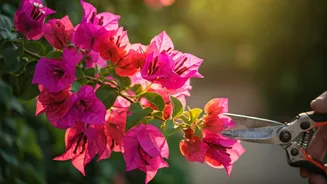
Ready? Take a deep breath. First, step back and look at the overall shape. Your goal is to reduce the plant’s size by about a third, improve air circulation, and remove dead or unproductive wood. 1. **The Clean-Out:** Start by removing any dead, broken, or diseased branches. Cut them all the way back to the main stem or to a healthy, live section. Also, remove any thin, weak, or tangled growth from the center of the plant to open it up. 2. **The Hard Reset:** Now for the main event. Identify the long, unruly canes that are throwing the plant out of balance. Don't be shy. Using your loppers, cut them back by at least half their length. Make your cuts about a quarter-inch above a leaf node or a side branch. This is where the new, flower-bearing growth will emerge. 3. **Shaping:** Once the major cuts are done, step back again. Use your hand pruners to snip and shape the remaining branches, creating the form you want. Think about how you want it to grow on its trellis or wall. Remember that every cut will likely sprout new growth, so guide it in the direction you want it to go.
Aftercare and The Glorious Reward
Once the haircut is complete, the final step is cleanup. Rake up every last thorny branch and leaf. This isn't just for tidiness; it removes any potential for pests or diseases to fester on the ground. Water the plant well, but hold off on fertilizing for a couple of weeks to let it recover from the shock. Then, you wait. In a few weeks, you'll see a burst of fresh, green growth. A few weeks after that, those new stems will be covered in the vibrant paper-like bracts that you love. The 'drama' will be replaced by a stunning, manageable display of color. You’ve successfully directed the show, turning a potential tragedy into a triumphant comeback. Your bougainvillea will be healthier, more beautiful, and ready to be the star of your summer garden.