






First Off, What Is Ragi Flour?
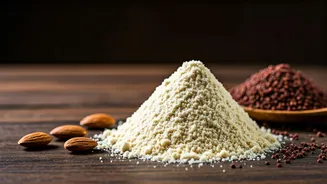
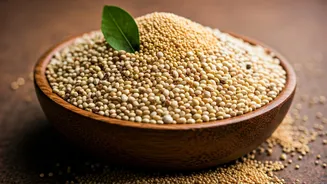
Before we get into the blend, let’s talk about the star ingredient that might be new to many American pantries: ragi. Also known as finger millet, ragi is an ancient grain that has been a staple in parts of Africa and Asia for thousands of years. It’s
a tiny, reddish-brown seed that gets ground into a fine, earthy flour. Unlike wheat, it’s naturally gluten-free. While it’s been a nutritional workhorse in other cultures for centuries, ragi is just now hitting its stride in the U.S. wellness market, where it’s celebrated for its robust nutrient profile and unique properties. It’s not just another gluten-free alternative; it’s a functional ingredient with a story, which is catnip for anyone looking to add depth and nutritional substance to their recipes.
A Nutritional Power Couple
The primary reason this blend is so beloved is its stellar nutritional profile. Ragi flour on its own is a champion. It’s packed with calcium (one of the best plant-based sources), iron, and fiber, which helps with satiety and blood sugar regulation. Almond flour, its popular partner, brings its own set of strengths. Made from blanched, ground almonds, it's low in carbs but high in protein, healthy monounsaturated fats, and vitamin E. When you combine them, you get the best of both worlds. The blend delivers a complete package: complex carbohydrates and fiber from the ragi, plus protein and healthy fats from the almonds. This creates a baked good that’s not just an empty treat but a genuinely satisfying and nutrient-dense snack—a key selling point for any health-conscious influencer.
The Gluten-Free Baking Dream Team
Anyone who’s experimented with gluten-free baking knows the struggle. Single-ingredient flours can be tricky. Some are too dry, others too gummy, and many lack the structure to produce a satisfying result. This is where the ragi-almond blend shines. Almond flour provides moisture, fat, and a delicate crumb, preventing the dryness that can plague gluten-free goods. It acts as a fantastic structural base. Ragi flour complements it by adding a certain heartiness and a soft, cake-like texture. It absorbs liquid well and contributes to a tender, stable final product. Together, they solve many common gluten-free baking problems, yielding results that are moist and flavorful without relying on a long list of starches and gums. This reliability makes it a go-to for recipe developers who need consistent, impressive results.
It Creates an “Instagram-Worthy” Bake
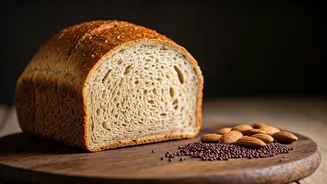
Let’s be honest: aesthetics matter. A recipe can have the best macros in the world, but if it looks unappetizing, it won’t get the clicks. Almond-ragi blends produce baked goods that look as wholesome as they are. The ragi lends a beautiful, deep, earthy-brown color to everything from pancakes to chocolate cakes, giving them a rustic, artisanal appearance that’s incredibly photogenic. It signals “healthy” and “homemade” in a single glance. The crumb is often visibly moist and rich, thanks to the almond flour. This visual appeal is crucial for food influencers, whose currency is beautiful, scroll-stopping imagery. A slice of dark, moist ragi-almond banana bread simply looks more compelling and intriguing than a pale, plain-flour version.
A Uniquely Complex Flavor
Finally, there’s the taste. All-purpose flour is a neutral canvas. An almond-ragi blend is a flavor statement. Almond flour brings a subtle, nutty sweetness that pairs beautifully with vanilla, chocolate, and fruit. Ragi has a more distinct, slightly malty and earthy flavor that adds a wonderful complexity. It’s not overpowering, but it’s present enough to make a simple recipe feel more gourmet and thoughtfully crafted. This distinctive taste profile allows influencers to create signature recipes that stand out from the crowd. It adds a layer of sophistication, transforming a basic muffin or cookie into something that feels special and intentional, encouraging followers to try something new and expand their culinary horizons.