

First, What Is Biophilic Design?
At its core, biophilic design is a fancy term for a simple, ancient idea: humans feel better when they are connected to nature. It’s an architectural and interior design approach that intentionally brings the outdoors in to improve our physical and mental
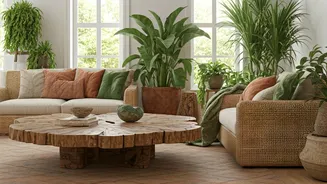
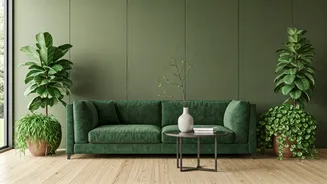
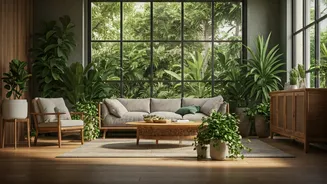
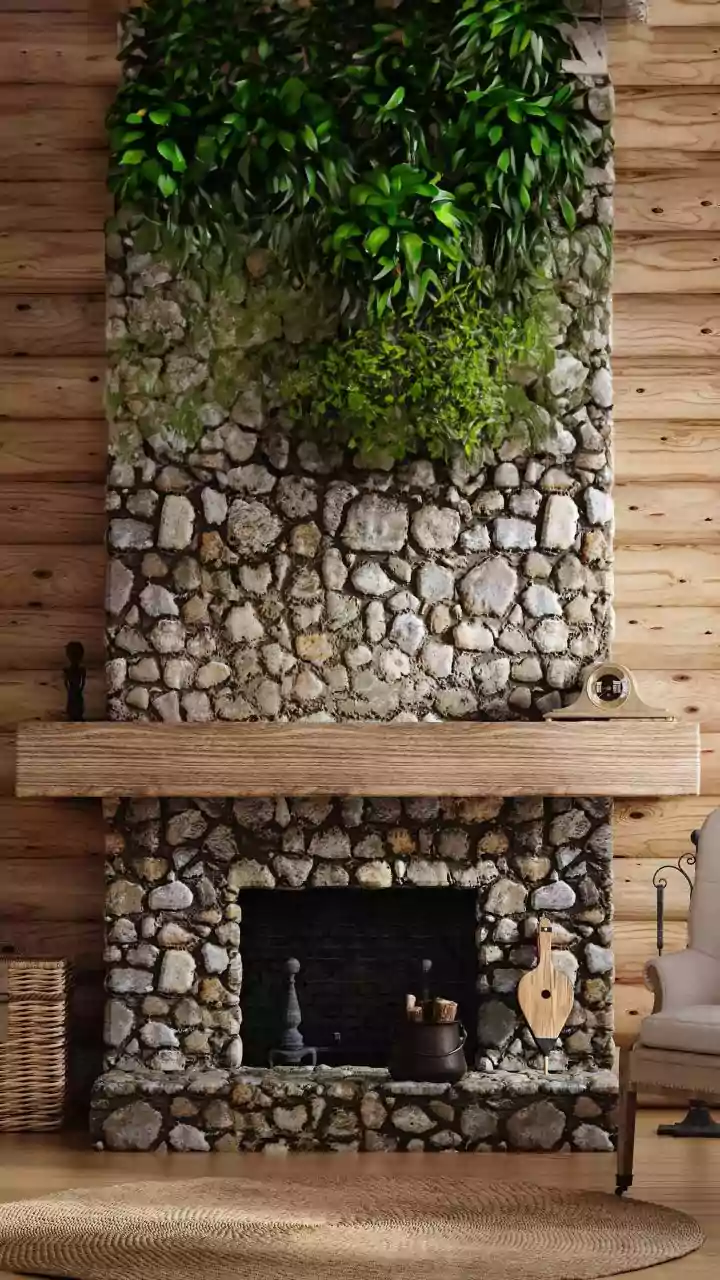
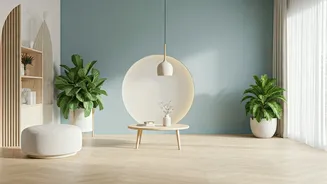
well-being. This isn’t just about putting a ficus in the corner. True biophilic design incorporates natural light, living plants, organic materials like wood and stone, and patterns that mimic the natural world. Think large windows that frame a view of the trees, a color palette inspired by a forest floor, a fountain providing gentle background noise, or furniture made from reclaimed timber. The goal is to create spaces that feel restorative, calm, and alive—a sanctuary from the concrete and digital noise of modern life.
The Non-Negotiable: Prioritizing Pet Safety
On the other side of the design equation is the reality of living with animals. A stylish home can quickly become a minefield of hazards for a curious cat or a playful puppy. Many of the most popular houseplants, from elegant lilies to trendy fiddle-leaf figs, are toxic to pets if ingested. Draped cords, delicate decor, and wobbly, top-heavy furniture can pose risks of entanglement or injury. Even certain fabrics and materials can be problematic, either by being easily destroyed by claws or containing chemicals that aren’t ideal for pets who love to lick and chew. For decades, creating a “pet-proof” home often meant sacrificing aesthetics for functionality, resulting in spaces that were safe but sterile.
The Perfect Blend: Key Principles
Pet-safe biophilic design merges these two worlds by applying a safety-first filter to nature-inspired choices. It’s a holistic approach that recognizes our animal companions are part of our home’s ecosystem. This means every design decision, from the plants on the windowsill to the rug on the floor, is evaluated for its impact on every member of the household, two-legged and four-legged alike. The philosophy is simple: a home cannot be truly restorative for you if it isn't safe and comfortable for your pet. It’s about creating harmony, not just hiding the chew toys. This integrated style focuses on durability, non-toxicity, and enrichment, weaving them seamlessly into a beautiful, nature-centric aesthetic.
Your Guide to Pet-Friendly Plants
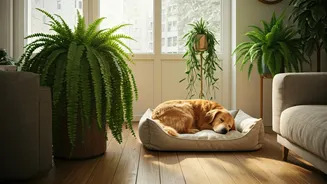
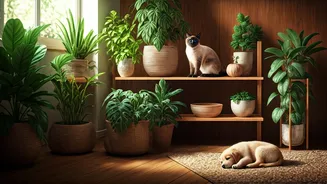
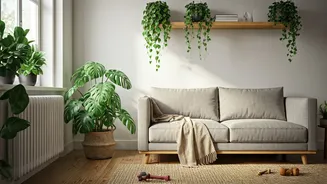
The most obvious intersection of these trends is houseplants. To successfully bring the jungle vibe home without endangering your pets, you need to choose your greenery with care. Thankfully, there are many stunning, non-toxic options. Spider plants, with their arching leaves, are not only safe but also produce “pups” that are fun for cats to bat at. Boston ferns, rattlesnake plants, and most Calathea varieties offer lush, textured foliage. The vibrant Polka Dot Plant and the easy-to-care-for Parlor Palm are also excellent, pet-safe choices. As a rule, always double-check any plant on the ASPCA’s comprehensive list before bringing it home. Avoid common toxins like Sago Palms, all types of lilies, and Snake Plants (which are only mildly toxic but can cause upset).
Smart Choices in Materials and Furniture
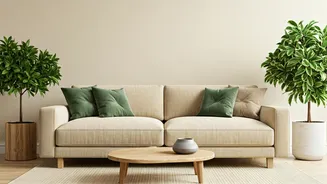
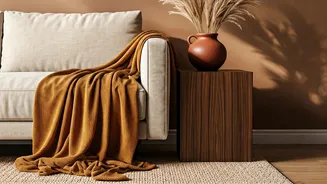
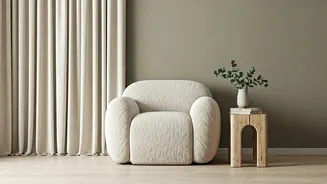
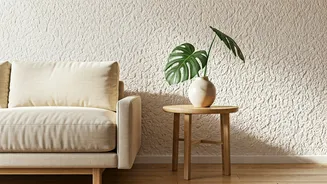
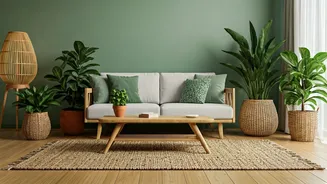
Beyond plants, materials matter. Biophilic design loves natural textures, and many of them are surprisingly pet-friendly. Tightly woven fabrics like canvas, denim, or performance velvets are durable enough to resist claws. Leather is also a great option as it’s easy to clean and often looks better with a bit of wear. For rugs, consider natural, tough fibers like jute or sisal, which add earthy texture and stand up well to traffic. When selecting furniture, look for pieces with solid, stable bases that won’t tip over if a pet jumps on them. Rounded corners are safer than sharp edges. Wood finishes should be sealed with non-toxic, pet-safe products. This approach favors well-made, sturdy items that feel both organic and resilient.