



The Rise of the ‘Un-Lawn’
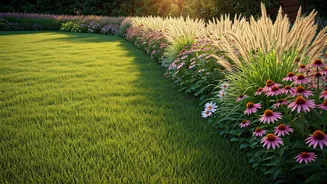
For years, the pristine turfgrass lawn has been the default status symbol of American suburbia. Achieving that uniform sea of green, however, is anything but easy. It’s a demanding cycle of watering, weeding, fertilizing, and mowing that consumes an immense
amount of resources—from the water fueling the sprinklers to the fossil fuels powering the mower. Frustrated with the cost, effort, and environmental toll, many homeowners are beginning to question the ideal. This fatigue is fueling a trend toward “lazy” gardening, a philosophy that’s less about neglect and more about working with nature, not against it. The stars of this movement? Native plants.
Work Smarter, Not Harder
The core principle behind using native plants is simple: they belong here. Unlike exotic species imported from other continents or fussy turfgrasses, native plants evolved over thousands of years to thrive in your specific region’s climate, soil conditions, and rainfall patterns. A Black-Eyed Susan in the Midwest or a California Poppy on the West Coast doesn’t need you to constantly adjust its environment because it’s already home. This built-in resilience is the secret to their low-maintenance appeal. They are naturally adapted to local water availability, meaning you’ll spend far less time dragging a hose around, and they’ve co-evolved with local pests and diseases, often requiring little to no chemical intervention.
An Oasis for Local Wildlife
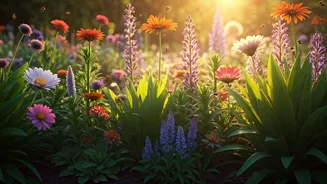
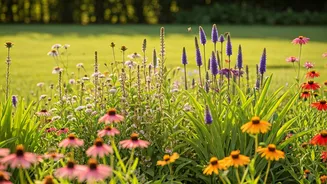
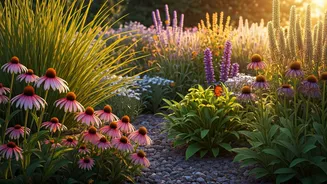
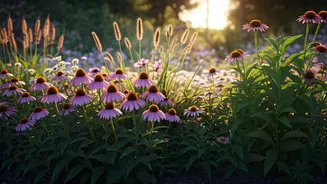
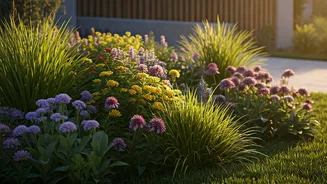
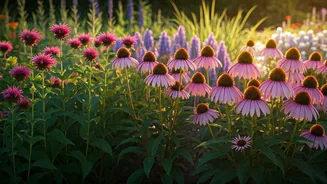
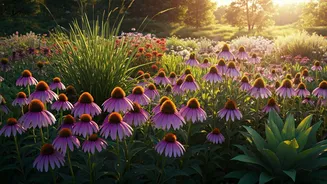
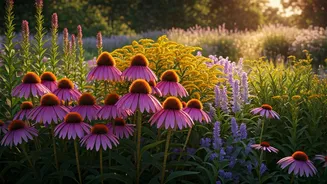
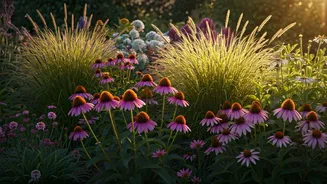
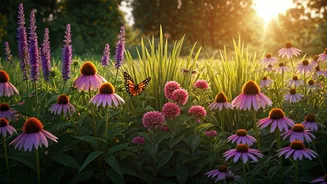
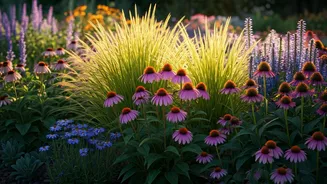
One of the most rewarding parts of lazy gardening is that your lack of effort directly benefits the environment. A traditional lawn is often called a “green desert” by ecologists because it offers almost no food or shelter for wildlife. Native plants, on the other hand, are the foundation of the local food web. The flowers of purple coneflower and milkweed provide essential nectar for bees, butterflies, and other pollinators. The seeds of sunflowers and asters become a fall feast for songbirds like goldfinches and chickadees. Even the leaves are critical, serving as the only food source for the caterpillars of specific moth and butterfly species. By simply choosing the right plants and letting them grow, you’re creating a vibrant, living ecosystem in your own backyard with zero extra work.
Saving Time, Water, and Money
The practical benefits are hard to ignore. The Environmental Protection Agency estimates that outdoor water use, primarily for landscape irrigation, accounts for nearly one-third of all residential water use, totaling nearly 9 billion gallons per day. Because native plants are adapted to local rainfall, they can significantly slash that number, reducing your water bill and conserving a precious resource. The savings continue when you factor in the money you’ll no longer spend on chemical fertilizers, pesticides, and herbicides. Perhaps the most valuable return is on your time. Instead of spending Saturday mornings on a noisy mower, you can enjoy a cup of coffee while watching birds and bees visit the garden you barely have to tend.
Getting Started the ‘Lazy’ Way
Ditching the entire lawn can feel daunting, but you don’t have to. The easiest way to start is small. Convert a difficult-to-mow corner of your yard into a native wildflower patch. Replace a few water-hogging shrubs with hardy, drought-tolerant native varieties. Even a few pots on a patio planted with native perennials like bee balm or columbine can create a mini-habitat for pollinators. Check with your local university extension office or a native plant society online (the National Audubon Society has an excellent database) to find the best plants for your specific zip code. They’ll help you choose species that will flourish with minimal fuss, turning your “lazy” approach into a brilliant gardening strategy.