






What Is Monsoon Gardening?
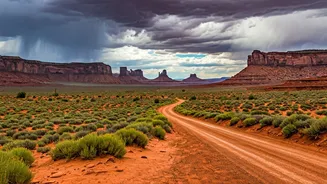
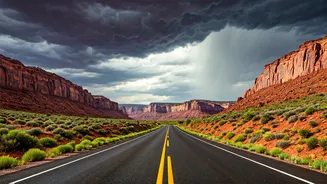
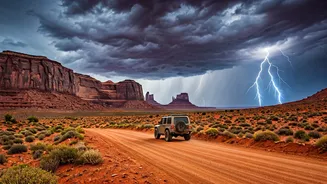
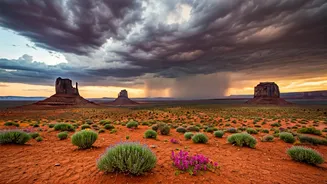
Forget what you know about the slow, patient work of spring planting. Monsoon gardening is a sprint, a burst of life perfectly timed to coincide with the dramatic summer rainstorms that sweep across regions like Arizona, New Mexico, and parts of Utah
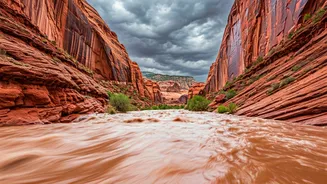
and Colorado from roughly July to September. Instead of fighting the heat of June, you wait for it. You wait for the first real, ground-soaking rains that signal a shift in the atmosphere. This practice, long known to Indigenous peoples of the region, is about harnessing a powerful natural cycle. The combination of rainfall, increased humidity, and still-warm soil creates a unique, super-charged incubator for seeds and new plants, allowing them to establish roots quickly before the drier, cooler fall arrives.
The Sweet Spot: Nature Does the Work
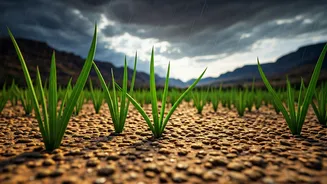
So why is this the “sweet spot”? Because the monsoon does most of the heavy lifting for you. The number one task for any desert gardener—watering—is suddenly taken care of by the sky. Deep, consistent rains saturate the ground far more effectively than a garden hose ever could, encouraging deep root growth. The cloud cover and higher humidity provide a welcome respite from the brutal afternoon sun, reducing stress on young seedlings. This period of natural abundance means less time dragging hoses, lower water bills, and a much higher success rate for beginners. You’re not trying to force a plant to survive in a hostile environment; you’re partnering with the most generous season the desert has to offer. It’s the closest thing to a gardening cheat code you can find.
Choosing Your Monsoon All-Stars
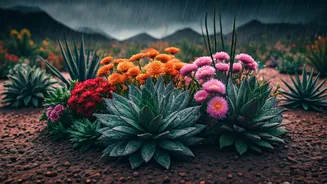
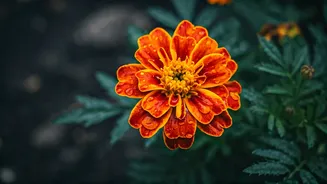
Not everything is suited for a monsoon debut. The key is to choose plants that germinate and grow fast enough to take advantage of the short, wet window. This is the time for native wildflowers, fast-growing vegetables, and hardy herbs. Think about planting seeds of desert marigold, cosmos, or vibrant zinnias that will explode in a riot of color. For your vegetable patch, this is the perfect moment for tepary beans, a traditional Southwestern crop that thrives in these conditions. You can also successfully plant fast-maturing varieties of squash, corn, and melons. Many native grasses and shrubs also benefit from being planted during the monsoon, as the rains help them establish strong root systems before the dry seasons return.
Simple Tips for Success
Getting started is surprisingly simple. First, prepare your soil before the rains begin. Clear weeds and amend the soil with a bit of compost to improve its texture and water retention. Create small basins or berms around your planting areas to help capture and hold the rainwater where it’s needed most. When the first significant rain arrives, wait a day for the water to soak in, then plant your seeds directly into the damp earth. Plant them slightly deeper than you would in the spring to protect them from being washed away and to access the deeper moisture. Once they sprout, your main job is weeding. The rains that help your chosen plants thrive will also encourage weeds, so stay vigilant to ensure your seedlings don’t get crowded out.
Embrace the Ephemeral Beauty
Part of the magic of monsoon gardening is its fleeting nature. This isn’t about creating a year-round English garden; it’s about celebrating a temporary burst of abundance. Some of the plants, especially the wildflowers, will complete their entire life cycle in just a few months, leaving behind seeds for the next year’s monsoon. This makes it a low-commitment, high-reward endeavor. You’re not signing up for a lifetime of plant care, but a short, beautiful fling with a garden that feels truly wild and alive. It teaches you to work with nature's schedule, not your own, and to appreciate the intense, short-lived beauty of the desert transformed by rain.