





Understanding Pet Allergies
Just like people, our furry companions can be sensitive to environmental allergens. The biggest culprits during allergy season are pollens from trees, grasses, and weeds. But indoor triggers like dust mites, mold spores, and dander from other pets can cause
problems year-round. For pets, these allergies often manifest as skin irritation (atopic dermatitis), leading to constant scratching, licking, and chewing, particularly at their paws, belly, and ears. You might also notice watery eyes, a runny nose, sneezing, or even chronic ear infections. These symptoms not only make your pet uncomfortable but can also lead to secondary skin infections if left unmanaged. While medications from your vet are often a cornerstone of treatment, managing your pet’s environment is a powerful, complementary strategy.
The 'Cosy Den' Concept
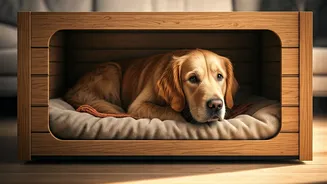
The idea of a “cosy den” goes beyond simply giving your pet a nice bed. It’s about creating a personal sanctuary that serves as a low-allergen zone. Think of it as a clean room for your pet, where they can retreat and physically escape the irritants floating in the air and clinging to surfaces elsewhere in your home. When your dog comes inside after a romp in the grassy yard, they are covered in microscopic pollen particles. By having a designated clean space, you limit their ability to spread those allergens all over the furniture and carpets where they like to relax. This controlled environment not only reduces their direct exposure but also provides psychological comfort. Stress can exacerbate allergic reactions, and a safe, predictable resting spot helps keep your pet calm, supporting their immune system and overall well-being.
How to Create the Perfect Den
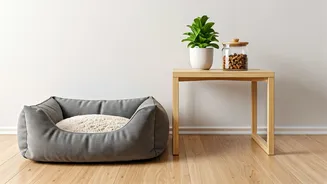
Building an effective allergy-relief den is simple. Start by choosing a quiet, low-traffic corner of your home. Avoid placing it directly under an open window or near a door where outdoor allergens can easily drift in. The den itself should be anchored by a high-quality, easily washable bed. Look for beds with removable, machine-washable covers made from hypoallergenic or tightly woven fabrics that are less likely to trap dust and pollen. Materials like canvas or microfiber are often better choices than fuzzy, deep-pile fabrics. Keep the area simple and uncluttered. Avoid piling it with fuzzy blankets or stuffed toys that are magnets for dust mites. Instead, opt for one or two easily washable toys. The goal is a space that is comfortable but, most importantly, incredibly easy to keep clean.
Maintaining the Allergen-Free Zone
A den is only effective if it stays clean. This is the most critical part of the strategy. Commit to a simple but consistent cleaning routine. First, wash your pet’s bedding at least once a week in hot water to kill dust mites and wash away pollen. Second, if your pet comes inside covered in visible pollen, wipe them down with a damp cloth or a pet-friendly grooming wipe before they settle into their den. Pay special attention to their paws. Third, vacuum the area around the den frequently, preferably with a vacuum cleaner equipped with a HEPA filter, which is designed to trap tiny allergen particles instead of recirculating them into the air. Finally, consider placing a small air purifier with a HEPA filter near the den to further improve the air quality in your pet's personal space. This consistent maintenance ensures the den remains a true refuge.