



First, Know Your Sources
Before you even step into a nursery, your best tool is your smartphone. The American Society for the Prevention of Cruelty to Animals (ASPCA) maintains an exhaustive, searchable database of plants that are toxic and non-toxic to dogs, cats, and horses.
Always check a plant’s name against this list before buying. Be specific if you can—common names can be misleading, so if a plant tag includes a scientific (Latin) name, use that for a more accurate search. A plant labeled “toxic” can cause anything from mild stomach upset to severe illness or death, so it’s always better to be safe and stick to the approved list.
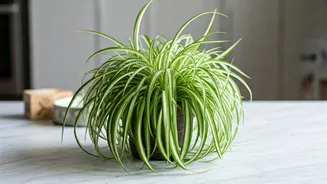
The Perfect Fit: Spider Plant
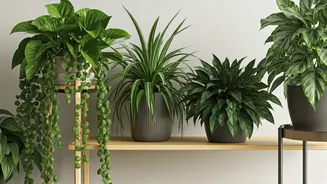
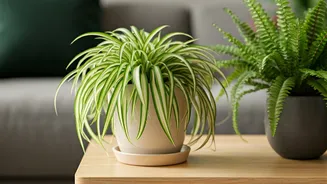
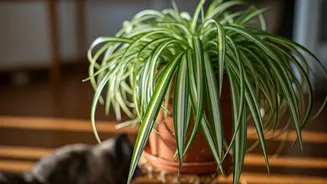
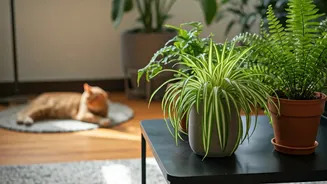
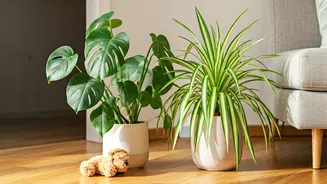
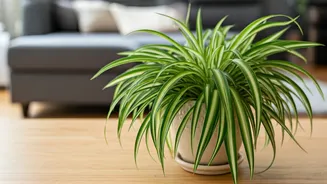
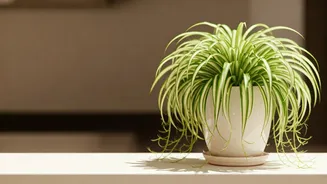
The Spider Plant (Chlorophytum comosum) is a classic for a reason. It's completely non-toxic to cats and dogs, making it a stress-free choice for pet owners. Its arching leaves and cascading “spiderettes” (baby plants) make it ideal for hanging baskets, which saves precious floor and shelf space in a small home. Spider plants are also famously forgiving. They tolerate a wide range of light conditions (though they prefer bright, indirect light) and can bounce back if you occasionally forget to water them. They are natural air purifiers, adding another layer of wellness to your home environment.
The Sculptural Choice: Haworthia
If you love the look of succulents but know that many (like Jade and Aloe Vera) are toxic to pets, meet the Haworthia. Often called the Zebra Plant, this small, spiky succulent is perfectly safe for cats and dogs. Its compact size makes it an excellent choice for a sunny windowsill, a desk, or a small side table. Haworthias are incredibly low-maintenance; they thrive on neglect. They require bright light and very infrequent watering—let the soil dry out completely between sessions. Their striking stripes and architectural shape add a modern touch without demanding much room or attention.
The Low-Light Champion: Cast Iron Plant
Living in a small apartment often means dealing with limited natural light. Enter the Cast Iron Plant (Aspidistra elatior). As its name suggests, this plant is nearly indestructible and is perfectly happy in low-light corners where other plants would wither. Better yet, it’s completely non-toxic to pets. Its large, deep-green leaves provide a lush, tropical feel without growing excessively wide or tall too quickly. It’s a slow grower, meaning it won’t outgrow its spot in your apartment for a long time. Water it when the top few inches of soil are dry, and it will reward you with steadfast greenery.
The Statement Maker: Rattlesnake Plant
Want a plant with personality? The Rattlesnake Plant (Calathea lancifolia) delivers. Part of the Calathea family—many of which are pet-safe—this plant features wavy-edged leaves with a beautiful pattern of dark green markings and rich purple undersides. It’s non-toxic and adds a splash of color and texture. Calatheas are known as “prayer plants” because their leaves fold up at night and lower during the day. They prefer medium, indirect light and consistently moist soil, so they require a bit more attention than a Haworthia, but their visual payoff is immense. They tend to grow upright, making them a good fit for tighter spaces.
The Ultimate Minimalist: Air Plants
For the ultimate space-saving, pet-safe option, look no further than Air Plants (Tillandsia). These fascinating plants don’t require any soil, so you can place them virtually anywhere: in a small terrarium, mounted on a piece of driftwood, or sitting in a tiny ceramic holder on a bookshelf. They are non-toxic to pets and absorb water and nutrients through their leaves. Care is simple: just soak them in room-temperature water for about 20-30 minutes every one to two weeks, let them dry upside down, and return them to their spot. They thrive in bright, indirect light.