




Beyond the Buffet: What's Driving the Change?
This isn't just about adding more expensive restaurants. It’s a cultural phenomenon fueled by a perfect storm of factors. Decades of economic growth have created a discerning class of diners with disposable income and global palates, shaped by travel
and the internet. They’re no longer satisfied with just traditional fare or generic five-star hotel dining. They want experiences that are both authentically Indian and globally sophisticated. Simultaneously, a generation of talented Indian chefs, many trained in renowned kitchens from New York to Copenhagen, are returning home. Instead of replicating Western food, they’re applying modern techniques and a fine-dining philosophy to the vast, diverse pantry of their own country.
A New Culinary Philosophy
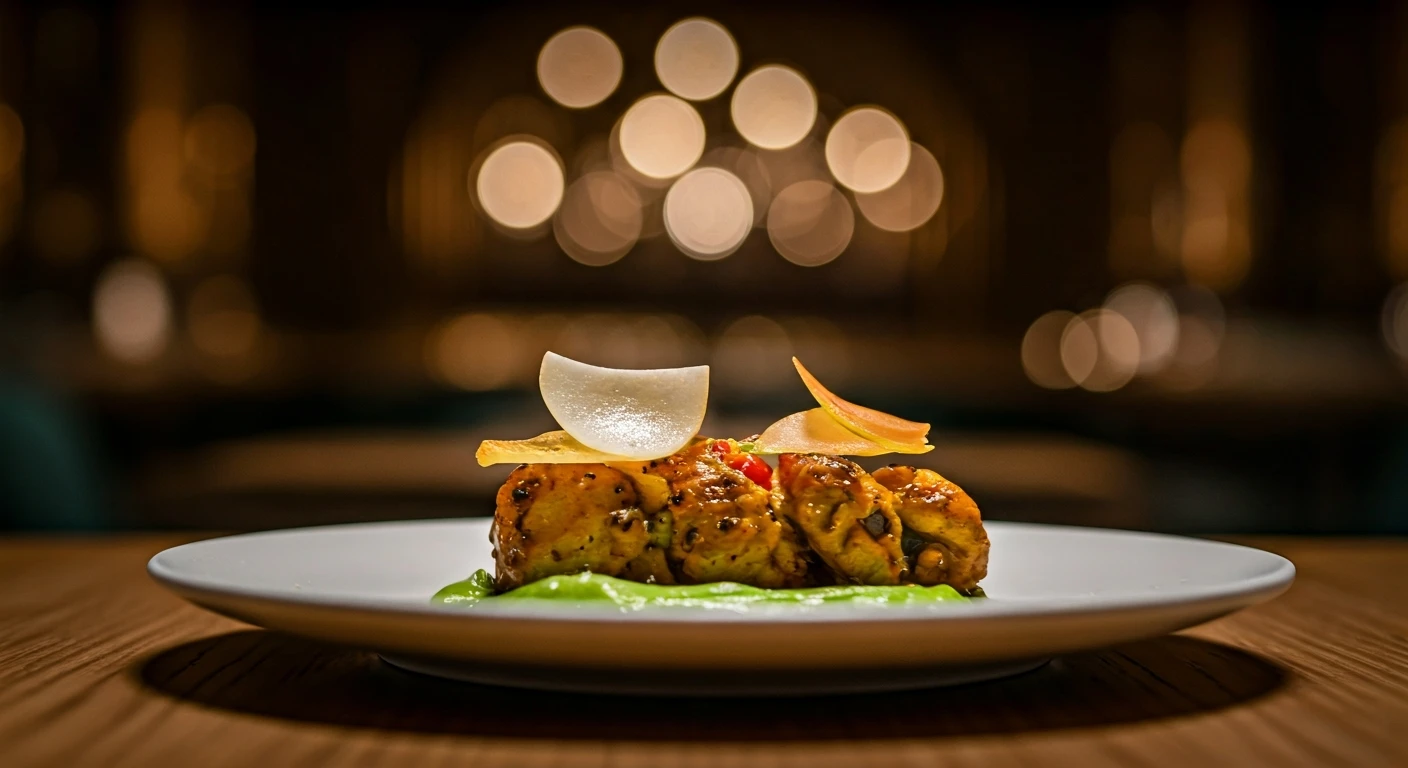
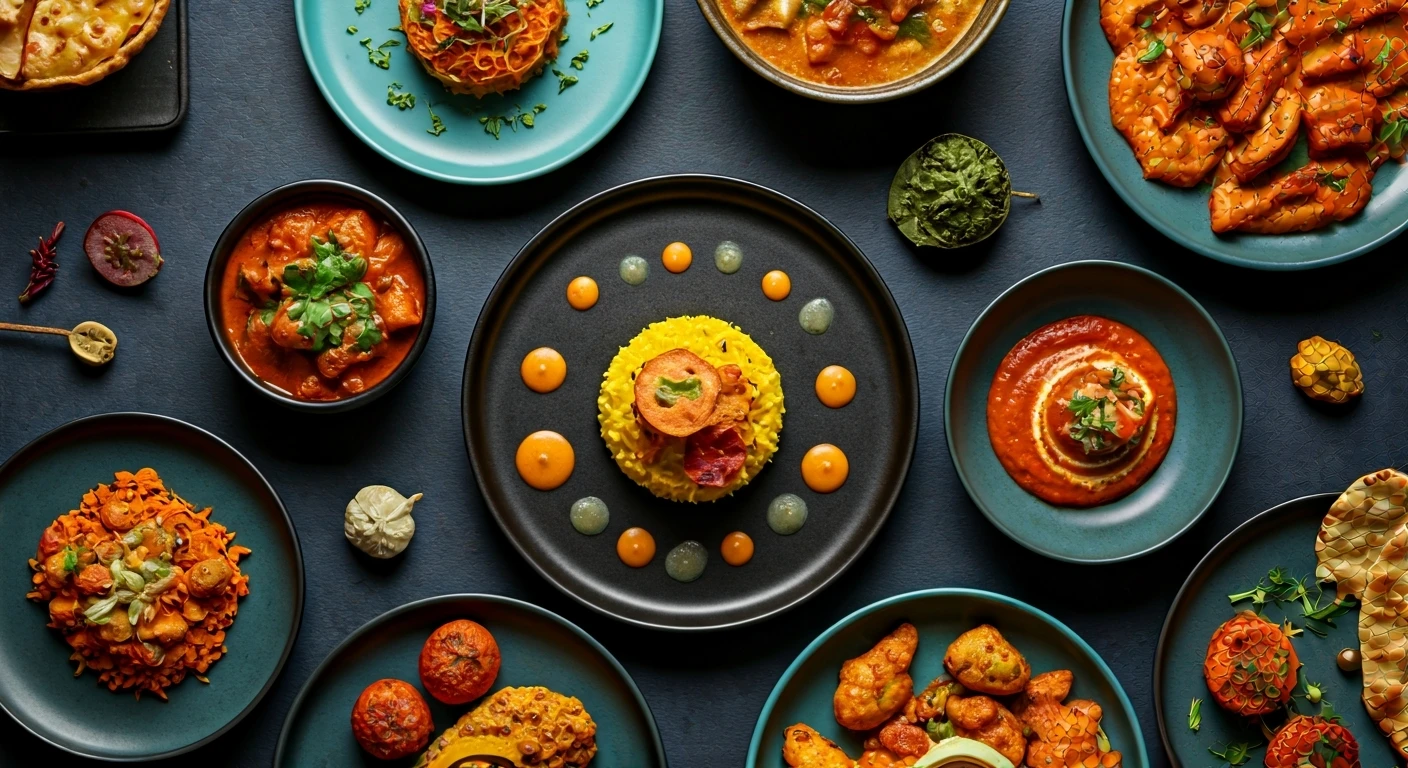
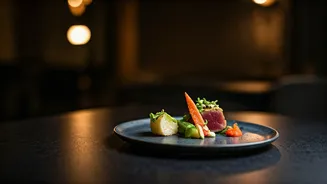
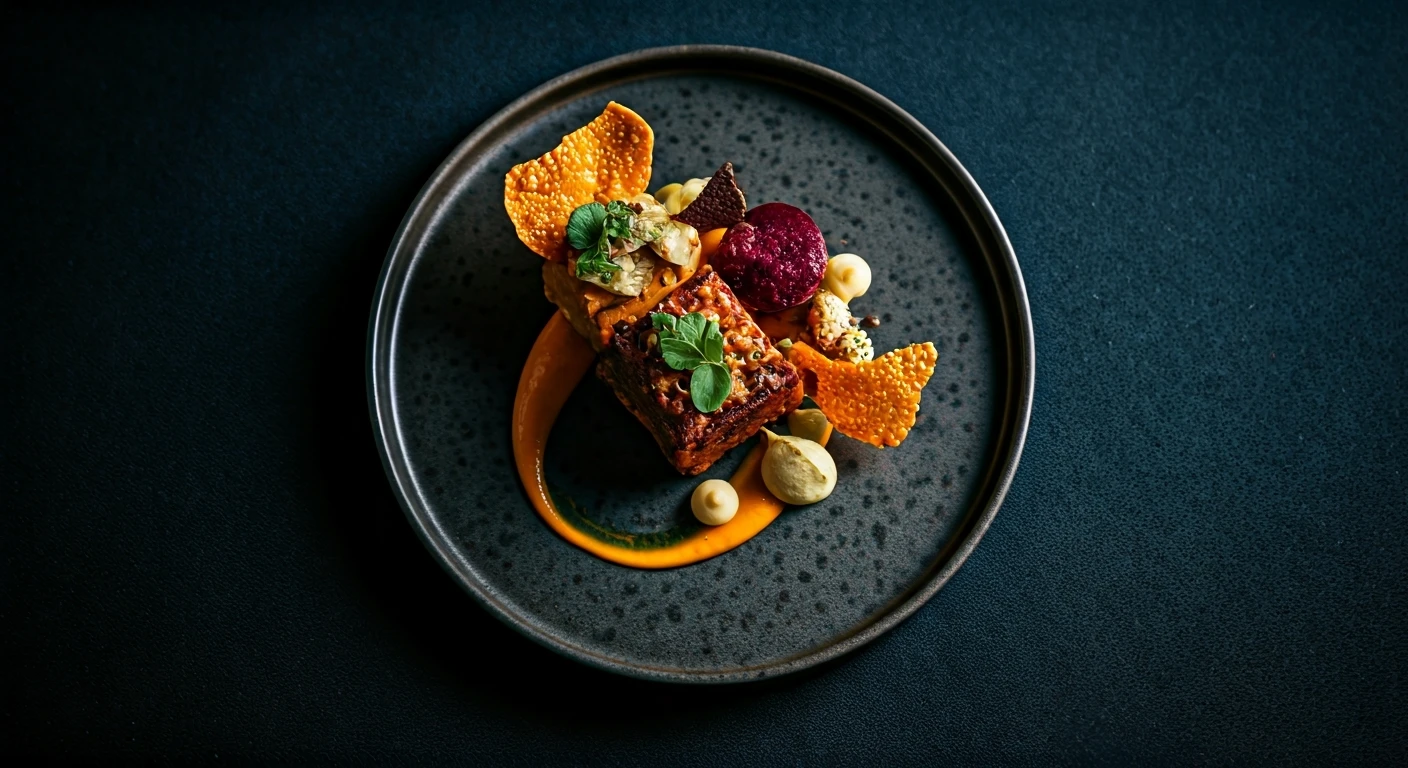
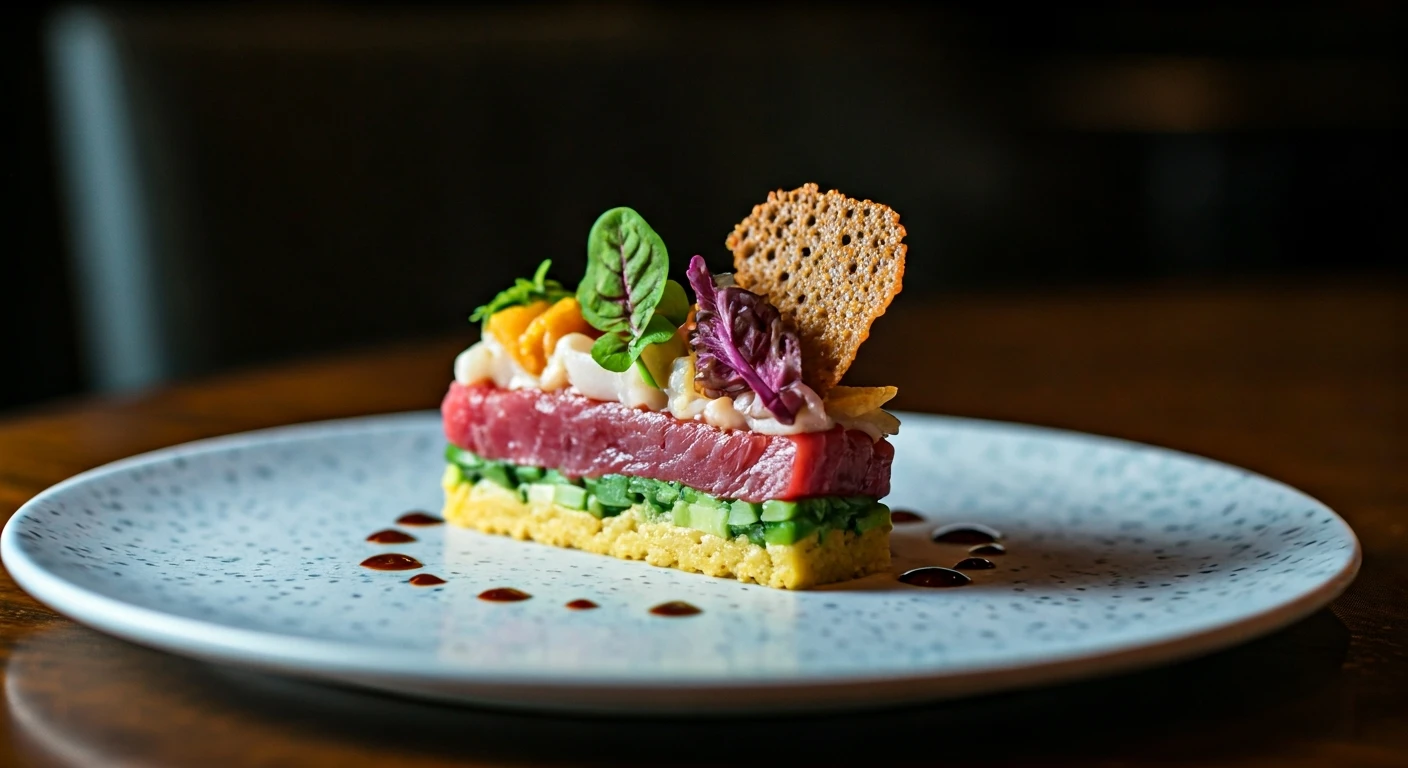
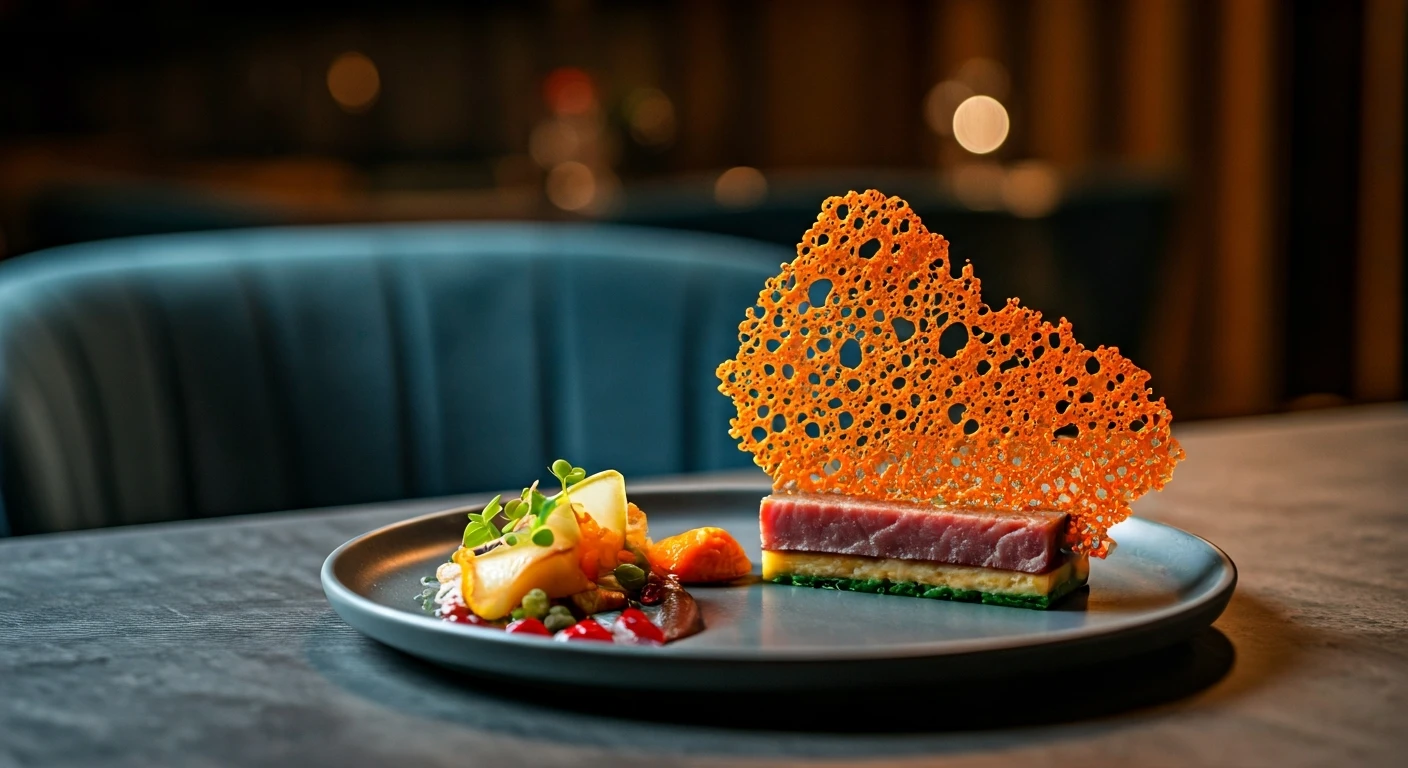
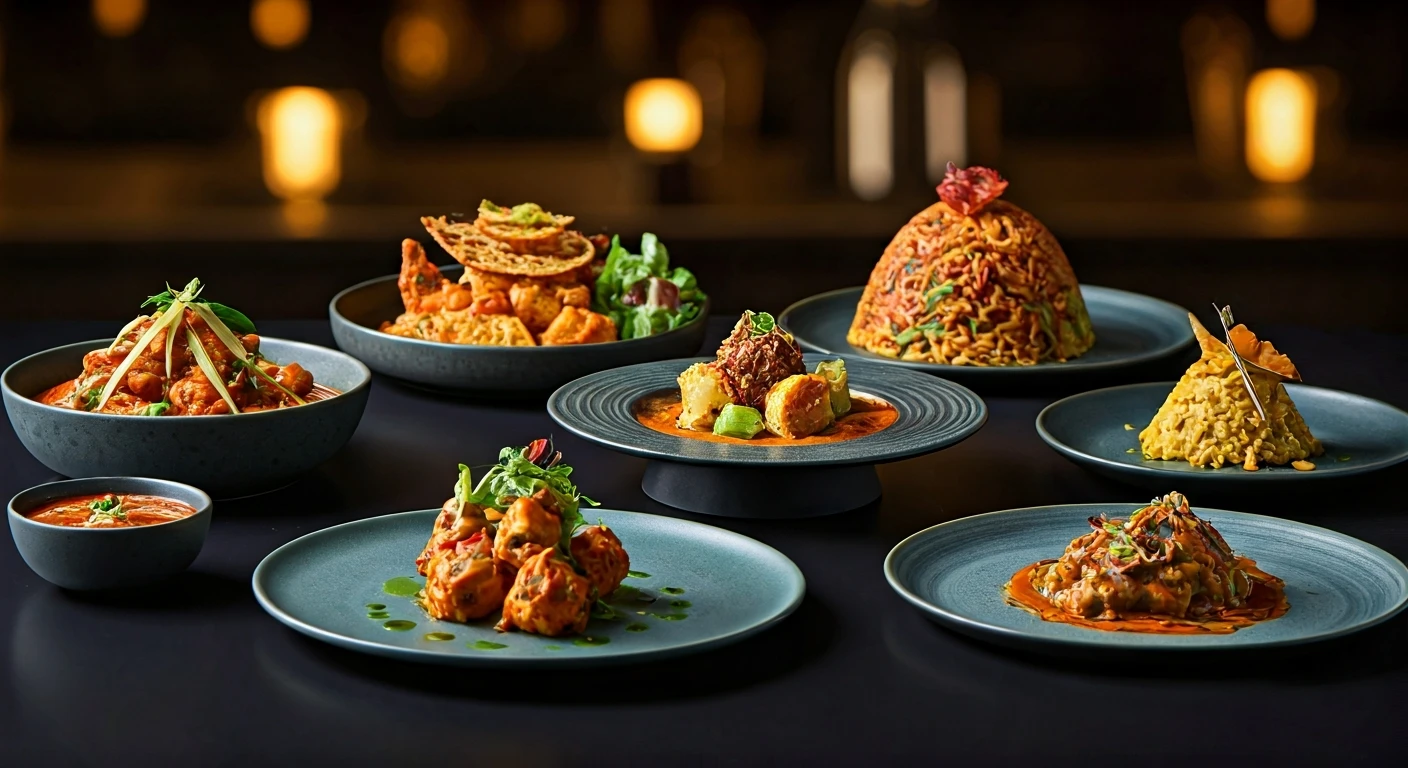
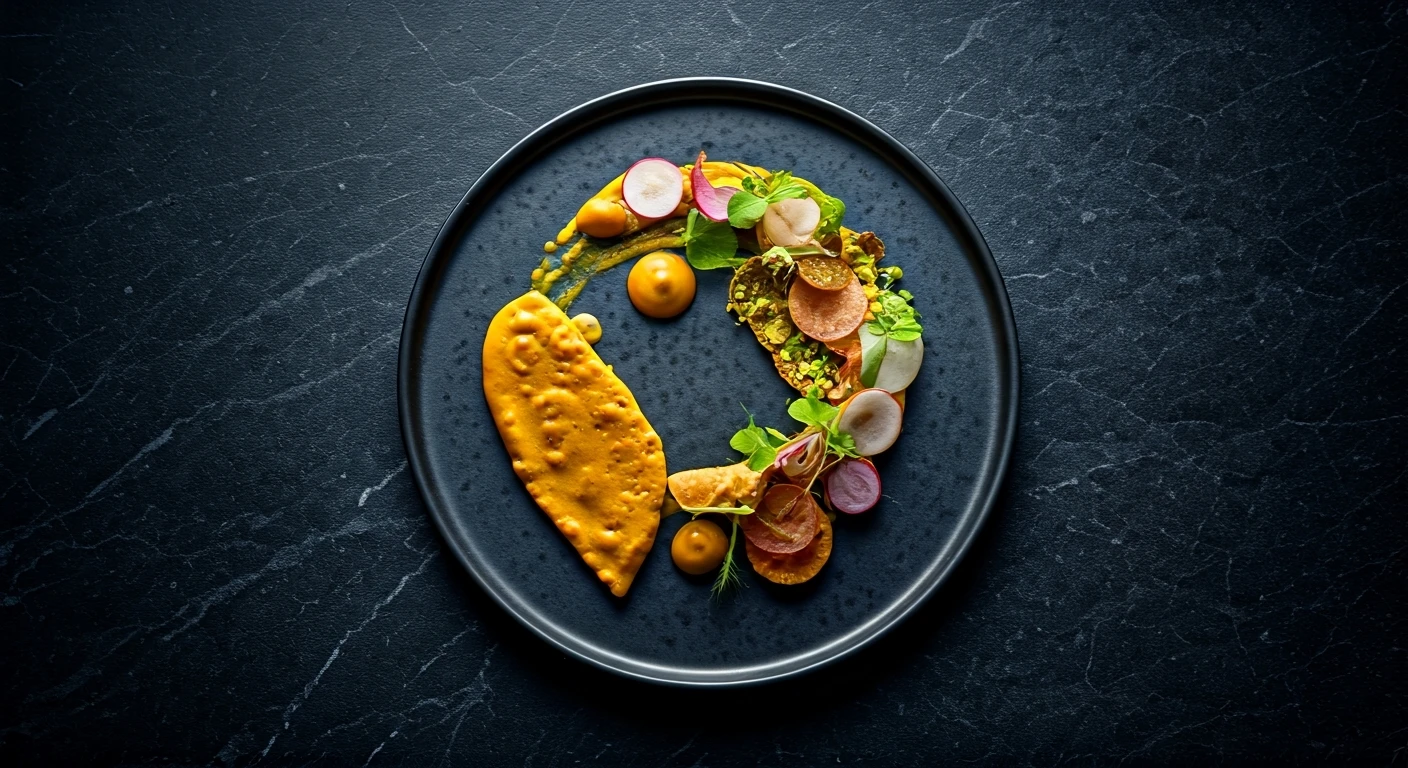
The defining feature of this movement is a radical re-interrogation of Indian cuisine itself. Forget the standardized curries found on most menus abroad. These chefs are digging deep into India's regional diversity, unearthing forgotten ingredients, and elevating humble, home-style dishes into works of art. The philosophy is hyper-local and seasonal, mirroring the farm-to-table ethos that revolutionized Western dining. Here, a tasting menu might take you on a journey from the mountains of Kashmir to the coasts of Kerala, all on one table. It’s about deconstruction and reconstruction—taking a familiar flavor profile, like that of a savory chaat, and presenting it with the technique and precision of a Michelin-starred kitchen.
Delhi: The Established Epicenter
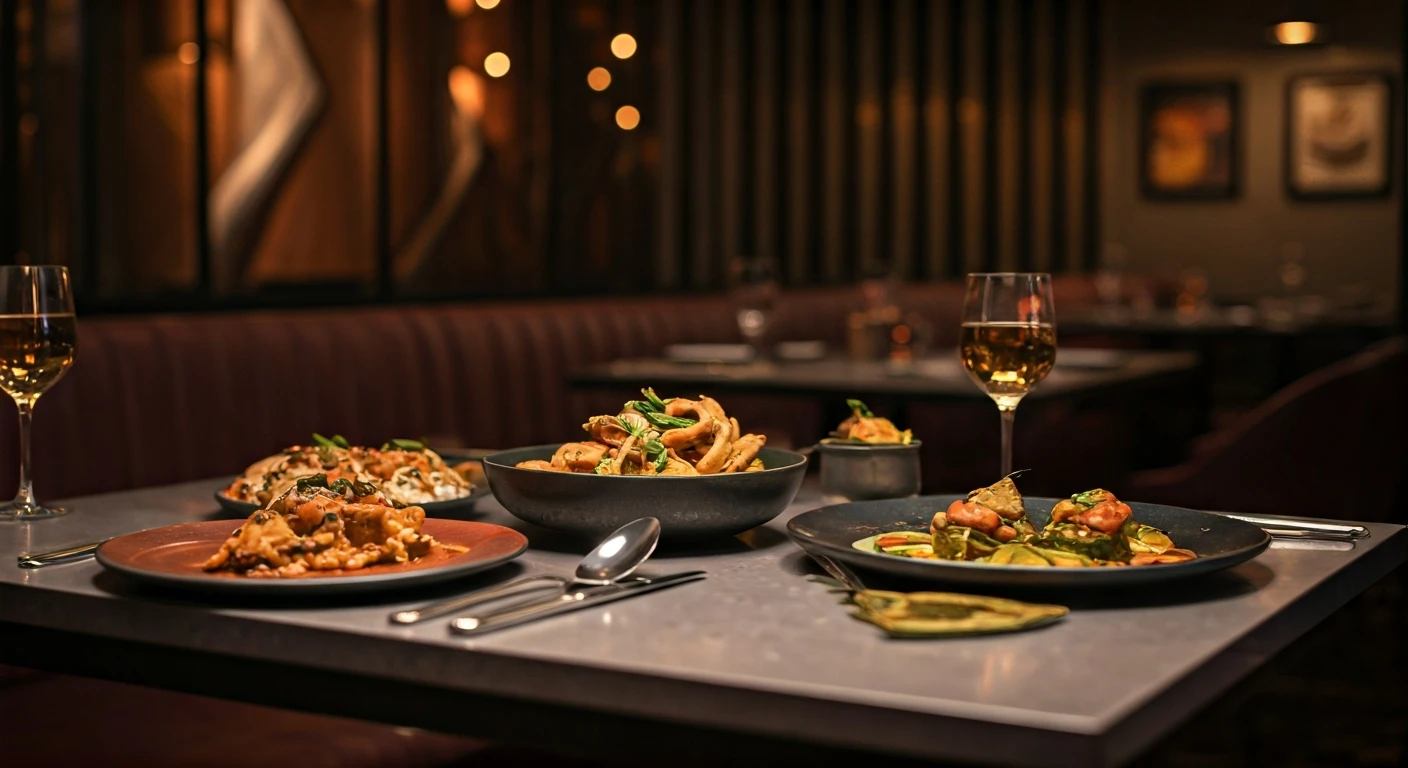
In the nation's capital, restaurants like the world-renowned Indian Accent have become institutions. Chef Manish Mehrotra is often credited as a pioneer of this modern Indian movement. His dishes are playful and inventive, defying easy categorization. Think soy keema with a quail egg and lime leaf butter pao, or ghee-roast lamb with roomali roti pancakes. It’s food that respects its roots while winking at a global audience. Dining in Delhi's top establishments is an exercise in narrative and theater, where each course tells a story, beautifully plated and served in stunningly designed spaces that blend Indian artisanship with contemporary cool.
Bengaluru: The Tech-Fueled Challenger
If Delhi represents established luxury, Bengaluru (formerly Bangalore) is the dynamic, tech-fueled upstart. As India's Silicon Valley, the city is younger, more experimental, and its dining scene reflects that energy. Restaurants here are often more ingredient-focused and sustainability-driven, appealing to a globally-minded tech workforce. Places like Avatara in Bengaluru are pushing boundaries even further with concepts like all-vegetarian degustation menus that showcase the complexity and richness of plant-based Indian cooking. The atmosphere is less about old-world grandeur and more about minimalist design, innovative concepts, and a relentless drive to create something new.
Redefining an Identity
Ultimately, this fine dining boom is about more than just food. It’s a powerful statement of cultural confidence. For decades, the pinnacle of fine dining in India was French or Italian. Indian food was considered rustic, everyday fare. Today, these chefs are challenging that hierarchy. They are arguing, plate by delicious plate, that Indian cuisine is as capable of refinement, nuance, and artistry as any in the world. They are not just cooking dinner; they are curating a new identity for modern India—one that is proud of its heritage but unafraid to innovate and engage with the world on its own terms.