







1. The Software and Systems Architects
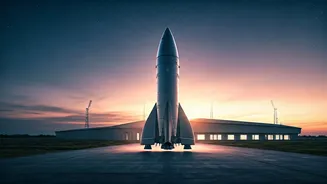
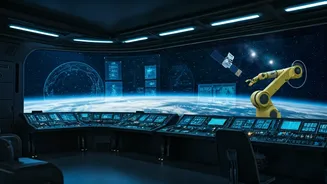
Every modern rocket, satellite, and rover is a flying supercomputer. The immense growth in the space sector is powered not just by rocket fuel, but by code. Software engineers are the unsung heroes of this new era, designing the flight control systems
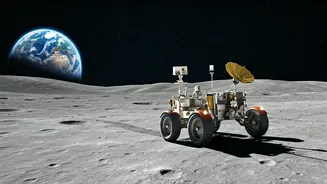
for reusable boosters, writing the code that allows rovers to navigate Martian terrain autonomously, and building the ground software that manages entire constellations of satellites. This field also includes cybersecurity experts who protect these critical assets from threats. For students who love coding and problem-solving, a computer science or engineering degree is now a direct pipeline to developing technology that operates millions of miles from home.
2. The Data Scientists and Analysts
The thousands of satellites orbiting Earth are collecting an unprecedented amount of data every single day. They monitor weather patterns, track agricultural health, measure deforestation, and provide global internet access. This creates a massive demand for data scientists who can interpret this information. These professionals use machine learning and artificial intelligence to find meaningful patterns in petabytes of satellite imagery and sensor readings. Their work informs critical decisions in industries from farming and logistics to finance and climate science. A career in space data analytics means using information from orbit to solve problems on the ground.
3. The Advanced Manufacturing Technicians
Someone has to actually build the rockets and satellites. The days of one-off, handcrafted spacecraft are being replaced by streamlined production lines. Advanced manufacturing is at the heart of this shift. Technicians and engineers specializing in 3D printing (additive manufacturing), robotics, and composite materials are in high demand. They are the ones figuring out how to build lighter, stronger rocket parts faster and cheaper. Vocational programs and two-year technical degrees are becoming powerful entry points into these hands-on roles, offering students a chance to get their hands on the hardware that will one day reach for the stars.
4. The Space Health and Biology Experts
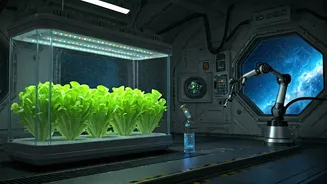
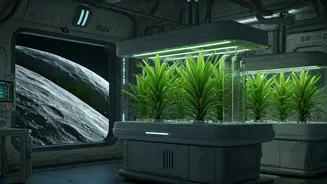
As humanity plans for longer missions to the Moon and Mars, the challenge of keeping humans healthy in space is paramount. This has opened a fascinating field for biologists, doctors, and psychologists. Space medicine professionals study the effects of microgravity and radiation on the human body, developing countermeasures to keep astronauts fit. Others work on life-support systems or experiment with growing food in space—a critical step for self-sustaining colonies. For students passionate about biology and medicine, this is a chance to work at the intersection of human health and space exploration.
5. The Business, Law, and Policy Gurus
The new space race isn't just about science; it's also a rapidly growing commercial industry. This requires a support structure of business developers, project managers, and finance experts to secure funding and keep ambitious projects on schedule and on budget. It also needs a new generation of lawyers to navigate the complex legal landscape. Who is liable if two satellites collide? Who owns the resources mined from an asteroid? Space lawyers and policy advisors are tackling these questions, writing the rules for the 21st-century space economy. For students in the humanities and social sciences, this proves that you don't need a STEM degree to have a major impact on our future in space.