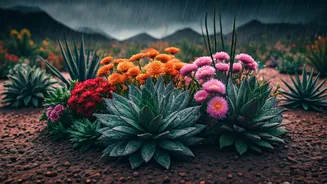





They Are Naturally Water-Wise
One of the most labor-intensive parts of maintaining a garden is watering, especially during dry summer months. This is where native plants offer their first and most significant gift: drought resistance. Plants native to a specific region have spent
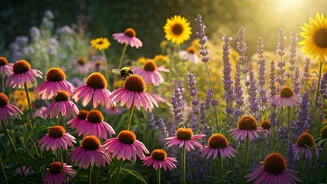
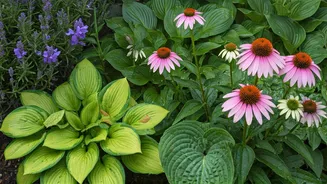
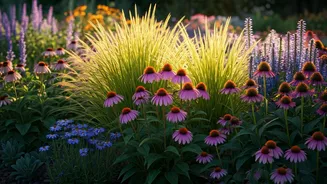
thousands of years adapting to its unique climate, including its typical rainfall patterns. A purple coneflower from the Midwest prairies, for instance, is built to handle hot, dry summers, while a New England aster is accustomed to the Northeast’s climate. Once established (which usually takes about a year of regular watering), their root systems are expertly designed to find and retain moisture from the local soil. This means you can put away the sprinkler and stop worrying about your water bill. Instead of fighting your climate, you’re working with it, creating a garden that can largely fend for itself.
They Resist Local Pests and Diseases
Exotic or non-native ornamental plants often arrive in our gardens without the predators and diseases that kept them in check in their home environment. But they also arrive without any natural defenses against local pests. This leads to a frustrating cycle of spraying fungicides and pesticides. Native plants, on the other hand, have co-evolved with the insects and pathogens of their region. They have developed their own chemical defenses or physical characteristics to deter the most common threats. While no plant is entirely immune to being nibbled, natives are far less likely to suffer a catastrophic infestation that requires your constant intervention. This relationship also provides food for local birds that prey on those very insects, creating a self-regulating system of pest control that’s far more effective—and healthier—than anything you can buy in a bottle.
They Don’t Need Processed Food
The endless aisles of plant food, soil amendments, and fertilizers at the garden center are a testament to how much effort we put into creating soil that our ornamental plants can tolerate. But it doesn't have to be this way. Native plants are already adapted to the soil conditions of your area, whether it’s sandy, clay-heavy, or acidic. They don’t require a perfectly amended, nutrient-rich loam to flourish. In fact, adding too much fertilizer can often harm native plants, causing weak, leggy growth that is more susceptible to flopping over or attracting pests. By choosing plants that already like the soil you have, you free yourself from the expensive and time-consuming chore of constant soil management. You save money, reduce chemical runoff, and let your garden thrive on its own terms.
They Win the Ground War on Weeds
Weeding is the Sisyphean task of gardening—a chore that is never truly finished. But a well-designed native plant garden can significantly reduce this burden. Because native plants are so well-suited to their environment, they grow vigorously and establish dense root systems. Once a community of native perennials, grasses, and shrubs fills in, they form a living mulch that shades the soil and outcompetes opportunistic weeds for sunlight, water, and nutrients. A manicured lawn or a sparse bed of annuals leaves plenty of open real estate for crabgrass and dandelions to invade. A thriving bed of black-eyed Susans, switchgrass, and Joe Pye weed, however, creates a dense, resilient plant community that leaves little room for unwelcome guests. The result is more time spent enjoying your garden and less time on your knees pulling weeds.
They Create a Living Landscape
Perhaps the most effortless benefit of planting natives is the life they automatically attract. A traditional lawn is often called a “green desert” by ecologists because it offers little food or shelter for wildlife. Native plants are the opposite; they are the foundation of the local food web. Their flowers provide nectar for native bees, butterflies, and hummingbirds. Their leaves and stems host the caterpillars that 96% of our songbirds rely on to feed their young. Their seeds and berries provide crucial food in the fall and winter. A garden filled with native plants isn't a static collection of pretty objects; it's a dynamic, four-season habitat. Your “work” of putting the right plant in the right place transforms your yard into a bustling ecosystem, providing endless fascination with no extra effort required.