



The Rise of the 'Trip Stacking' Mindset
First, let's get one thing straight: the classic two-week vacation isn't dead, but it's no longer the only game in town. The emerging trend, which industry analysts see solidifying by 2026, is a shift in mindset. Instead of putting all their vacation eggs
in one big, long basket, Americans are increasingly 'trip stacking.' They're pairing their one longer annual leave with several shorter, highly-focused getaways throughout the year. This is driven by a few key factors: hybrid work schedules that offer more flexibility, a desire to avoid burnout by peppering the year with breaks, and a growing understanding that a 72-hour trip packed with purpose can be more restorative than ten days of aimless wandering. It's about maximizing our most precious resource—time—by prioritizing depth over duration.
1. The Hyper-Specific Hobby Trip
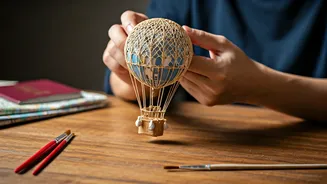
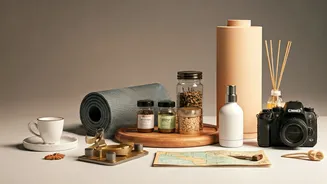
Remember when a vacation was about seeing a city's top ten sights? The new model is about doing one thing, and doing it well. This is the era of the hobby-driven pilgrimage. Think flying to New Mexico for a three-day intensive pottery workshop, not just to see Santa Fe. Or booking a long weekend in a dark-sky preserve in West Texas with the sole mission of mastering astrophotography. These trips are built around a passion, not a place. The destination is secondary to the activity. This approach guarantees a sense of accomplishment and connects travelers with a community of like-minded people, creating a deeper satisfaction than a simple sightseeing tour ever could.
2. The Culinary 'One-Thing' Quest
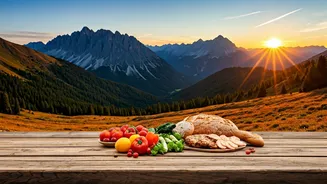
Food tourism has been popular for years, but it's getting more granular. Instead of a general 'eating tour of Italy,' the 2026 traveler is flying to Naples for a weekend with the single goal of learning the art of Neapolitan pizza from a master pizzaiolo. They're heading to Austin, Texas, not just for barbecue, but to take a masterclass in smoking the perfect brisket. This isn't just about consumption; it's about participation and skill acquisition. These short, intense culinary trips offer a tangible takeaway—a new skill, a secret recipe, a deeper appreciation for an ingredient—that lasts long after the taste has faded. It turns a meal into a mission.
3. The 'Concert Commute' Phenomenon
Thanks to 'once-in-a-lifetime' tours from megastars like Taylor Swift and Beyoncé, event-based travel has exploded. But it's not just about the A-listers. This trend encompasses traveling across state lines for a niche music festival, a major sporting event, or a limited-run Broadway show. The event is the anchor, and a whirlwind 48-hour itinerary is built around it. For these travelers, the trip isn't about exploring a new city in its entirety; it's about being part of a cultural moment. The shared energy of the main event becomes the peak experience, and the bonus is getting to try a city’s best coffee shop and coolest dinner spot in the hours before and after.
4. The High-Impact Wellness Weekend
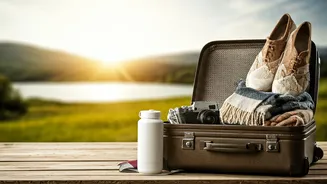
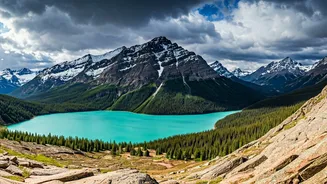
The old model of a wellness trip was a week-long stay at a spa with massages and facials. The new model is shorter, more intense, and often, more challenging. Think of it as a hard reset, not a slow recharge. These trips pack a punch in a single weekend: think guided cold-plunge retreats in the Catskills, silent meditation workshops in the California desert, or grueling but guided trail-running camps in Colorado. The goal is less about passive pampering and more about active transformation. Proponents argue that pushing physical and mental boundaries in a controlled, beautiful environment provides a more profound and lasting sense of well-being than a week of lounging by the pool ever could.